

Table of Contents
- Understanding Scent Families and Fragrance Notes
- Natural vs Synthetic Soap Fragrance: What You Need to Know
- Reading Product Descriptions to Identify Scent Quality
- Best Essential Oil Blends for Soap and How to Evaluate Them
- Long-Lasting Natural Soap Scents: Scent Performance and Retention
- Matching Scents to Your Skin Type and Sensory Preferences
- Your Step-by-Step Process to Choose Natural Soap Scents Online
- Conclusion
Last Updated: August 27, 2026
Understanding Scent Families and Fragrance Notes
When shopping for natural soap scents online, terms like "top notes," "base notes," and "scent families" can feel overwhelming. Understanding these fundamentals transforms you from a confused browser into a confident buyer who knows exactly what to expect.
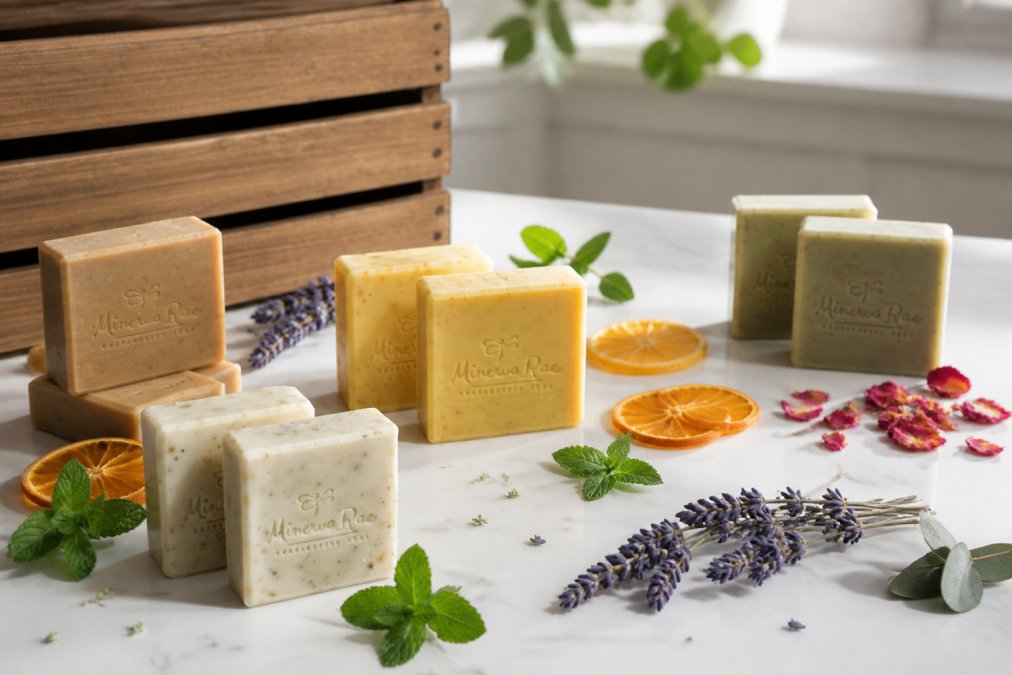
Scent families group fragrances into categories based on their dominant characteristics and emotional effect. When a product description mentions a soap belongs to the "fresh" or "floral" family, it tells you something crucial about how that scent will feel on your skin.
Top Notes, Middle Notes, and Base Notes
Every fragrance has a structure like a musical composition with three movements.
Top notes are what you smell first, the bright, immediate impression. Citrus, peppermint, and bergamot typically work as top notes. They're volatile and evaporate quickly, usually within 5 to 15 minutes of use (peer-reviewed research).
Middle notes (heart notes) emerge as top notes fade and represent the true character of the fragrance. Floral notes like rose and lavender, along with herbal elements like tea tree, typically sit here. They last 20 to 60 minutes into your shower experience.

Base notes provide the foundation and longevity. Woody notes, musk, vanilla, and vetiver anchor the fragrance and can linger for hours after rinsing.
Understanding this structure matters because product descriptions often highlight top notes to make a soap sound more appealing than it performs. The real scent experience comes from the middle and base notes.
How Scent Families Guide Your Selection
The major scent families include:
Floral, dominated by rose, peony, and lilac. Best for: those seeking traditional, elegant scents.
Fresh/Citrus, bright and zesty with lemon, grapefruit, and bergamot. Best for: morning showers or uplifting sensations.
Herbal/Green, earthy and botanical with basil, mint, and grass notes. Best for: garden-fresh or spa-like experiences.
Woody, grounding and warm with cedarwood, sandalwood, and vetiver. Best for: sophisticated, lasting scents.
Spicy, warming and complex with cinnamon, ginger, and clove. Best for: depth and subtle warmth.
Gourmand, sweet and indulgent with vanilla, caramel, and chocolate. Best for: self-care rituals or gift-giving.
Identifying your preferred family first saves time and eliminates soaps you won't enjoy.
Natural vs Synthetic Soap Fragrance: What You Need to Know
Essential oils are concentrated plant extracts obtained through pressing or distillation. They contain actual volatile compounds from the plant and are more expensive but variable, two batches can smell subtly different.
Fragrance oils (synthetic fragrances) are lab-created compounds designed to replicate scents. They're consistent, shelf-stable, and far less expensive. A fragrance oil labeled "lavender" will smell identical across every batch.
Natural does not automatically mean better, and synthetic does not mean harmful. Some essential oils irritate sensitive skin, peppermint, cinnamon, and citrus oils are common irritants (peer-reviewed research). Conversely, some synthetic fragrances are formulated to be gentle and hypoallergenic.
When reading product descriptions, look for transparency. High-quality soap makers specify which essential oils they use and in what concentration, mentioning "cold-pressed bergamot oil" or "steam-distilled lavender from France" rather than just "lavender scent."
At Minerva Rae, we use both essential oils and carefully sourced natural additives to create fragrances that perform beautifully in cold process soap while remaining gentle for daily use. Our Garden Mint bar combines peppermint and tea tree essential oils with parsley powder for a fresh, botanical scent that's both authentic and skin-safe.
Reading Product Descriptions to Identify Scent Quality
Product descriptions reveal a maker's expertise or expose their lack thereof.
Recognizing High-Quality Essential Oil Language
Look for specific sourcing information. "Lavender essential oil from Provence" tells you the maker cares about origin and quality. Specificity matters because lavender from different regions has different scent profiles.
Concentration matters too. Phrases like "infused with" or "enriched with" suggest meaningful amounts. "Scented with" or "featuring" are vaguer and might indicate minimal presence.
Botanical additions signal intentionality. "Flecked with lavender buds" or "infused with rose petals" means the maker is layering visual and tactile elements with scent.
Language around scent performance matters. Phrases like "long-lasting essential oil blend" or "scent retention through cold process crafting" indicate the maker has tested their product and understands how scent behaves in soap.
Red Flags in Scent Descriptions
Vague superlatives like "Amazing scent" or "best-smelling soap ever" without descriptive detail tell you nothing about what you're getting.
No scent family or note structure suggests the maker might not have thought deeply about fragrance composition.
Therapeutic claims without backing, such as "This lavender soap will cure your anxiety," overstate what soap can do.
Excessive buzzwords like "luxe," "artisanal," and "handcrafted" repeated without actual detail signal lower quality.
No ingredient list or vague ingredients like "Made with natural ingredients" without specifics is a red flag.
Conflicting claims like "100% natural" paired with "long-lasting synthetic fragrance" signal careless writing or deception.
Best Essential Oil Blends for Soap and How to Evaluate Them
Lavender + Bergamot, A classic pairing where lavender provides calming floral notes while bergamot adds brightness. Best for: anyone new to natural soaps or seeking a reliable, familiar scent.
Peppermint + Eucalyptus + Tea Tree, A sharp, clarifying blend that works beautifully in Garden Mint-style soaps. Best for: morning showers or invigorating, spa-like experiences.
Lemongrass + Geranium + Ylang Ylang, A complex, sophisticated blend requiring balance. Best for: experienced soap users seeking something nuanced.
Cedarwood + Frankincense + Sandalwood, A grounding, woody blend that feels luxurious and lingers well. Best for: evening use or warm, sophisticated scents.
Consider the ratio of top to base notes. A blend heavy in top notes feels fresh but won't last long. A blend dominated by base notes will be long-lasting but might feel heavy. The best blends balance all three note categories.
If you have sensitive skin, avoid blends with high concentrations of citrus or spice oils. Floral and woody blends tend to be gentler. Test a small amount first on your inner wrist and observe how your skin reacts.
Long-Lasting Natural Soap Scents: Scent Performance and Retention
Scent retention in cold process soap depends on several factors. Essential oils or fragrance oils must be heat-stable and not break down during soap-making. Some delicate scents are naturally volatile and evaporate during the process.
Cure time matters tremendously. Freshly made soap has excess water. As it cures (typically 4-6 weeks), water evaporates, the soap hardens, and the scent settles (peer-reviewed research). A soap that smells faint at two weeks will often smell stronger at six weeks.
The oil base affects scent retention. Soaps made with coconut and olive oil hold scent differently than those made with other oils. Makers who understand this adjust their fragrance loads accordingly.
Usage Rates and Safety Guidelines
Essential oils and fragrance oils are measured in percentages of the soap's total weight. A typical fragrance load ranges from 0.5% to 3% by weight. Anything higher risks irritating skin or causing discoloration.
Certain essential oils require lower usage rates due to skin sensitivity. Cinnamon, clove, citrus oils, and peppermint should stay below 2%. Lavender, chamomile, and rose can tolerate higher percentages.
Look for makers who mention they follow safety guidelines, such as "formulated within IFRA standards" or "skin-safe fragrance load." The International Fragrance Association publishes guidelines for safe fragrance usage.
If you have reactive skin, patch-test a new soap on a small area first and wait 24 hours to see if irritation develops.
Testing Scents for Longevity Before Purchasing
Check product photos. Vibrant colors often correlate with proper fragrance loads and curing, though some natural colorants create pale soaps.
Read customer reviews specifically for scent comments. Look for patterns about longevity and performance.
Check the curing information. A maker who states "cured for 6 weeks" is more likely to have a well-developed scent than one who doesn't mention curing time.
Ask the maker directly if unsure. A quality soap business will tell you honestly how long the scent typically lasts.
Matching Scents to Your Skin Type and Sensory Preferences
Your skin type influences which scents will feel best and perform longest.
Dry skin benefits from warming, grounding scents. Woody and spicy blends feel nourishing. Avoid heavy citrus, which can feel drying.
Oily or combination skin pairs well with fresh, clarifying scents. Citrus, herbal, and minty blends feel balancing and perform well without feeling heavy.
Sensitive skin requires caution with scent intensity. Choose soaps with lower fragrance loads and avoid known irritants like cinnamon and high-concentration citrus. Gentle florals and soft herbal scents are safer.
Eczema-prone skin should stick with minimal-fragrance soaps or unscented options. If you want scent, choose soaps specifically formulated for sensitive skin.
Consider your sensory preferences. Do you prefer scents that fade quickly or those that linger? Do you want your soap scent noticeable to others, or just for you?
Scent Stability and Allergy-Friendly Alternatives
Some people react to fragrance regardless of the source.
Unscented soaps are made without any added fragrance and are the safest choice for severe fragrance sensitivity.
Lightly scented soaps contain minimal fragrance (under 0.5% by weight), offering subtle olfactory experience without overwhelming your system.
Single-note essential oil soaps use only one essential oil rather than a blend, helping you identify which specific scents you tolerate.
Naturally scented soaps using botanical infusions skip fragrance oils and instead infuse the soap with dried herbs or flowers. The scent comes from the botanical itself, making them gentler on sensitive skin.
Look for makers who explicitly state "hypoallergenic fragrance" or "formulated for sensitive skin."
Your Step-by-Step Process to Choose Natural Soap Scents Online
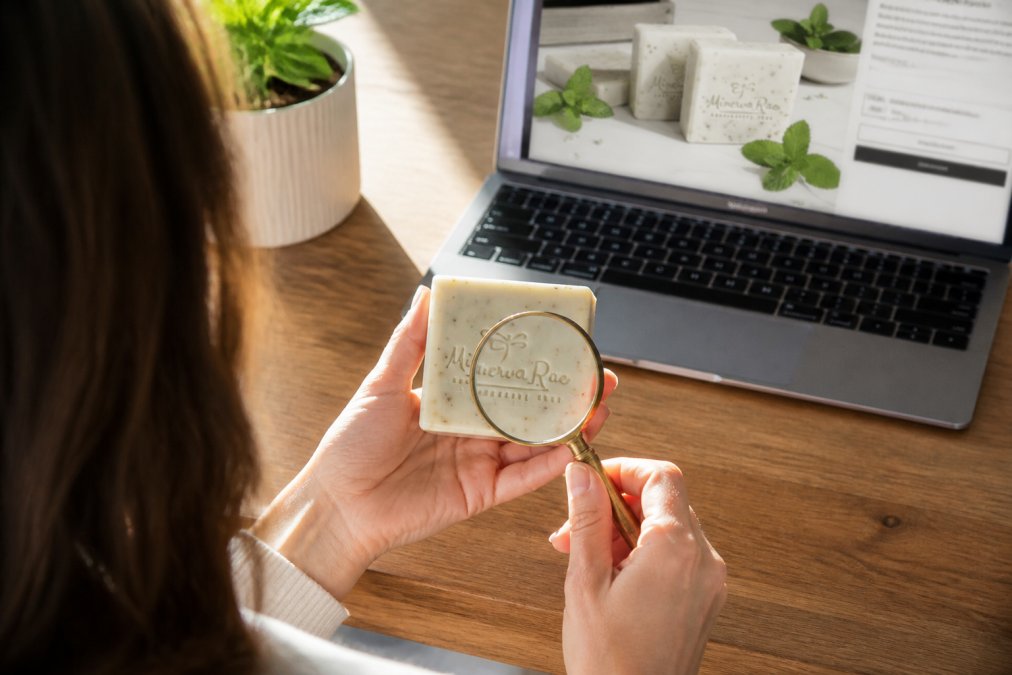
Step 1: Identify Your Preferred Scent Family
Before looking at specific products, decide what you're drawn to. Do you want fresh and energizing? Warm and comforting? Floral and romantic? Earthy and grounding?
Write down 3-5 scent families that appeal to you. This narrows your search immediately and saves you from browsing endlessly.
Step 2: Check the Ingredient Label for Essential Oils
Once you've identified a soap that fits your preferred scent family, read the ingredient list. Look specifically for essential oils or fragrance sources.
High-quality makers list their essential oils by name. You should see "lavender essential oil" or "bergamot oil" rather than vague terms like "fragrance."
If the label lists "fragrance," it's a synthetic fragrance oil. Decide if that works for you.
Check for any essential oils you know irritate your skin and avoid soaps listing them.
Step 3: Read Detailed Product Descriptions and Customer Reviews
Does the product description provide specific information about the scent, which essential oils are used, what the scent profile is, and how long it typically lasts? Specific information signals quality.
Read customer reviews, specifically filtering for scent-related comments. Look for patterns about longevity and performance.
Pay attention to reviewers with your skin type for more relevant feedback.
Step 4: Verify Scent Retention Claims and Cold Process Methods
Check whether the soap maker mentions their method, cold process, melt and pour, or hot process. Cold process soap, when properly cured, typically holds scent longer.
Look for curing time information. If the description states "cured for 6 weeks," you know the soap has had time to properly harden and stabilize.
Verify any scent retention claims by checking customer reviews for confirmation.
Step 5: Start with a Single Bar to Test
Before committing to bulk orders, buy a single bar. This is especially important if you're new to natural soaps or trying a maker for the first time.
Use it and observe how it smells when unwrapped, how the scent evolves during your shower, whether it lingers on your skin afterward, and how your skin reacts.
This test run gives you real data about whether this soap works for you. If you're ordering custom soaps for an event, order a sample first to ensure the scent, quality, and performance meet your expectations.
Conclusion
Choosing natural soap scents online requires moving beyond marketing language to understand fragrance structure, ingredient quality, and scent performance. By learning to read product descriptions, understanding scent families and note structures, and recognizing red flags in maker claims, you become an informed buyer.
When you're ready to explore handcrafted soaps with intentionally curated scents, Minerva Rae offers a collection designed for discerning shoppers. Our soaps are made using cold process methods, carefully formulated for scent retention and skin compatibility. Whether you choose the fresh brightness of Lemongrass, the clarifying blend of Garden Mint, or the sophisticated warmth of White Tea & Ginger, each bar is crafted with attention to fragrance quality and sensory experience. Explore the collection and discover scents that elevate your daily routine.
Frequently Asked Questions
How can I tell if a soap scent is truly natural?
Check the ingredient label for essential oils or botanical extracts rather than generic terms like 'fragrance' or 'parfum,' which indicate synthetic fragrances. Genuine natural soap scents often list specific essential oils (peppermint, lemongrass, bergamot) or natural additives (botanicals, herbs). Look for cold process soap descriptions, which preserve essential oil integrity. Handcrafted soaps like those from Minerva Rae typically highlight their botanical ingredients and scent sources upfront. Be wary of soaps claiming extreme longevity with only natural ingredients, synthetic fragrances last longer, so realistic scent retention claims signal honesty.
Do natural soap scents last as long as synthetic fragrances?
Natural soap scents typically fade faster than synthetic fragrances because essential oils and botanical extracts are volatile compounds that diminish over time, especially in cold process soap. However, quality matters significantly. Handcrafted soaps using proper usage rates and fixed base notes (like cedarwood or vetiver) retain scent longer than poorly formulated natural alternatives. Synthetic fragrances can last 2-3 times longer, but many consumers prefer natural scents despite shorter longevity for sensory and skin-sensitivity reasons.
What are the best essential oil blends for soap if I have sensitive skin?
For sensitive skin, choose soaps with gentle essential oil blends that avoid known irritants like cinnamon, clove, or oregano. Calming blends featuring lavender, chamomile, or rose are typically well-tolerated. Citrus blends like lemongrass or bergamot are refreshing but can sensitize sun-exposed skin, so use cautiously. Minerva Rae's Garden Mint combines peppermint with tea tree oil for a clarifying blend suitable for many skin types, while their White Tea & Ginger offers a spicy yet soothing option. Always patch test new scents on a small area first, and verify the soap uses carrier oils like shea butter or coconut oil to buffer essential oil concentration.
What should I look for in product descriptions when choosing natural soap scents online?
Look for specific essential oil names (not vague 'fragrance'), mention of cold process or handcrafted methods, and ingredient transparency. Descriptions highlighting scent notes (top, middle, base) show formulation knowledge. Verify claims about natural additives like botanicals or clays. Honest sellers mention realistic scent longevity and note if the soap includes exfoliants or conditioning oils. Check for certifications or sourcing details if ethical sourcing matters to you. Avoid overpromising language about therapeutic benefits unless backed by ingredient detail. Product descriptions from artisanal makers like Minerva Rae typically include oil blends, scent profiles, and skin benefits to help you make informed choices.
This article was written using GrandRanker