

Table of Contents
- What You're Actually Paying For When You Buy Natural Soap
- Benefits of Cold Process Soap vs. Mass-Produced Alternatives
- Handmade Soap vs. Commercial Soap: The Ingredient Difference
- How to Make Soap Last Longer and Maximize Value
- Cost-Per-Use: The Real Price Comparison
- Natural Soap and Skin Health: What the Science Shows
- Common Myths About Natural Soap Pricing and Performance
- Conclusion
Last Updated: August 21, 2026
What You're Actually Paying For When You Buy Natural Soap
When you pick up a bar of natural soap, you're not just buying a cleanser. Are natural soaps worth the price? The answer depends entirely on what goes into that bar and what happens when it touches your skin.
Natural soaps made through cold process saponification retain glycerin, the humectant that commercial manufacturers strip out and sell separately. That's the first difference. The second is ingredient quality. A handcrafted bar uses plant butters, botanical infusions, and essential oils selected for skin benefit, not cost reduction. Mass-produced alternatives rely on synthetic detergents, synthetic fragrances, and stabilizers designed for shelf life, not skin health.
The price premium reflects three things: the saponification method itself, which takes weeks instead of hours; the ingredients sourced for efficacy rather than economy; and the small-batch production model that can't achieve the per-unit cost of industrial facilities processing millions of bars annually.
At Minerva Rae, the handcrafted approach means every bar retains the natural glycerin and uses cold process or melt and pour methods to preserve ingredient integrity. This isn't marketing language. It's chemistry. When you pay more, you're paying for what wasn't removed from the formula.
Benefits of Cold Process Soap vs. Mass-Produced Alternatives
Cold process soap requires 4-6 weeks to cure (peer-reviewed research). During this time, the saponification reaction completes fully, and the soap hardens into a dense bar. This slow method preserves the natural glycerin that forms during the chemical reaction between oils and lye, roughly 5-7 grams per bar (peer-reviewed research).
Commercial manufacturers use hot process methods that accelerate curing to hours, then remove the glycerin to sell it separately for higher margins. The result is a cheaper bar that lathers more aggressively but strips moisture from skin more effectively.
The practical difference shows up immediately. Cold process bars produce a creamy, stable lather in both hard and soft water. They dissolve more slowly, meaning a single bar lasts longer. The skin feel is fundamentally different, less squeaky, less tight, more conditioning.
Beyond lather quality, cold process soap preserves heat-sensitive ingredients. Essential oils maintain their aromatic and therapeutic profiles. Plant butters like shea and cocoa retain their emollient properties. Botanical infusions, calendula for sensitive skin, oat for irritation, survive the curing process intact. A hot process commercial bar can't make these claims because the heat denatures them.
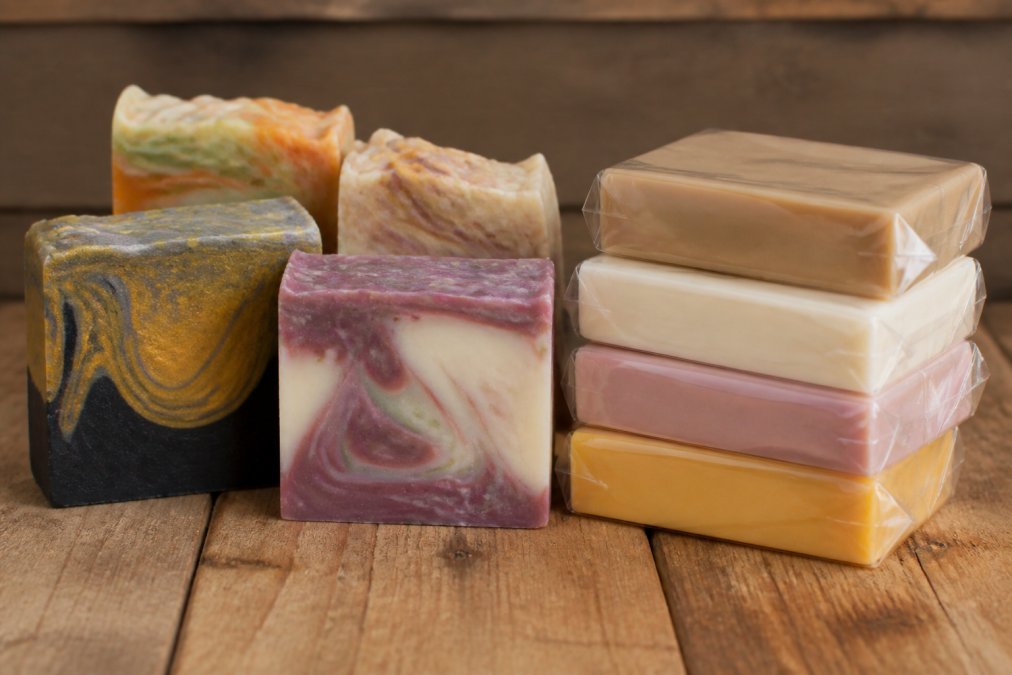
The environmental angle adds another layer. Cold process requires no synthetic preservatives because the curing process and lower water content create a naturally stable product. Commercial soaps need parabens, EDTA, and other synthetic stabilizers to prevent degradation during months on a shelf. When you rinse cold process soap down the drain, it biodegrades completely. Synthetic detergents and preservatives persist in water systems longer.
Handmade Soap vs. Commercial Soap: The Ingredient Difference
The ingredient list tells the real story. A typical commercial bar contains 15-25 ingredients, many unpronounceable. A handcrafted natural soap contains 5-10: oils, butters, lye (which is consumed entirely during saponification), water, and optional essential oils or botanicals.
Synthetic detergents like sodium lauryl sulfate and sodium laureth sulfate clean effectively but damage the skin barrier. They're surfactants designed to strip oils indiscriminately. Natural soap is gentler because it works differently, it suspends oil and water together without destroying the skin's protective lipid layer.
The difference matters most for sensitive skin. A person with eczema, psoriasis, or reactive skin often can't tolerate commercial bars. The synthetic fragrances, dyes, and sulfates trigger inflammation. Handmade soaps using fragrance-free options or essential oils instead of synthetic perfumes don't carry the same risk.
Hypoallergenic claims mean something specific in handmade soaps. Kirk's Original Coco Castile, made with 100% coconut oil and free from phthalates and parabens, represents the benchmark for truly hypoallergenic formulations. Minerva Rae's focus on transparency and ingredient selection follows the same principle, knowing exactly what touches your skin and why.
The cost difference becomes meaningful when you factor in the likelihood of irritation. A person who reacts to commercial soap might buy five bars before finding one that works. A single handmade bar from a maker who understands sensitive skin often eliminates the problem entirely. That's not a premium; that's efficiency.
How to Make Soap Last Longer and Maximize Value
A bar of cold process soap lasts 2-3 times longer than a commercial bar of the same size. The density is higher, the water content lower. This alone shifts the cost-per-wash equation dramatically.
But longevity depends on storage. Soap exposed to constant water degrades faster. A soap dish that drains completely extends bar life significantly. Wooden soap dishes work better than ceramic or plastic because wood absorbs residual moisture. Silicone dishes with drainage holes are the practical alternative.
Keep soap away from direct shower spray. A bar that sits in standing water softens and shrinks. Moving it to a dry spot between showers, a shelf, a drawer, even a paper towel, preserves weeks of use.
Temperature matters. Heat accelerates softening. A bar in a steamy bathroom lasts shorter than one in a cooler, drier space. If you shower in a bathroom with high humidity, consider storing soap outside the bathroom and bringing a bar in only when needed.
Cut larger bars in half. This sounds counterintuitive, but two smaller bars last longer than one large bar because you use less soap per wash when the bar is smaller and easier to control. A half-bar also dries faster between uses.
Use a soap saver pouch for the end of the bar. When a bar becomes too small to grip, a mesh pouch lets you continue using it without waste. This extends effective life by another week or two.
These practices aren't luxuries. They're the difference between a bar lasting 8 weeks and lasting 12 weeks. Over a year, proper storage adds the equivalent of 2-3 free bars to your supply.
Cost-Per-Use: The Real Price Comparison
This is where the math changes the conversation. A commercial bar costs roughly $2-4 and lasts 15-20 showers. A handmade natural soap costs more upfront but lasts 40-60 showers. The cost-per-shower narrows significantly.
Let's be concrete. Dr. Bronner's Pure-Castile Bar Soap at $5.17 per 5 oz bar delivers approximately 25-30 showers. Kirk's Original Coco Castile at $2-4 per 4 oz bar delivers 20-25 showers. A typical handcrafted bar at higher price points delivers 50-70 showers due to density and retention of glycerin.
If you shower daily, a commercial bar costs roughly 13-20 cents per shower. A handmade bar at double the upfront cost works out to 8-15 cents per shower. The premium vanishes when you account for longevity.
Add in the cost of treating skin irritation. A person who reacts to commercial soap might buy moisturizer, hydrocortisone cream, or dermatology visits to address the damage. A single handmade bar that eliminates the problem represents significant savings, though not typically measured in dollars.
The value proposition shifts further if you have specific skin needs. Someone with psoriasis benefits from pine tar soap like The Grandpa Soap Company's formulation, which addresses the condition directly. The cost-per-use calculation includes the value of not needing a separate treatment.
Natural Soap and Skin Health: What the Science Shows
The skin barrier is a lipid-rich layer that protects against infection, prevents water loss, and regulates pH. Cold process soap preserves this barrier because it doesn't strip lipids aggressively. Commercial detergents breach it, which is why skin feels tight and dry after use.
The glycerin retained in handmade soap actively supports barrier function. It's a humectant, meaning it draws water into the skin. This is why cold process bars feel less drying than commercial alternatives. The difference compounds over weeks of use, skin becomes more resilient, less reactive, less prone to irritation.
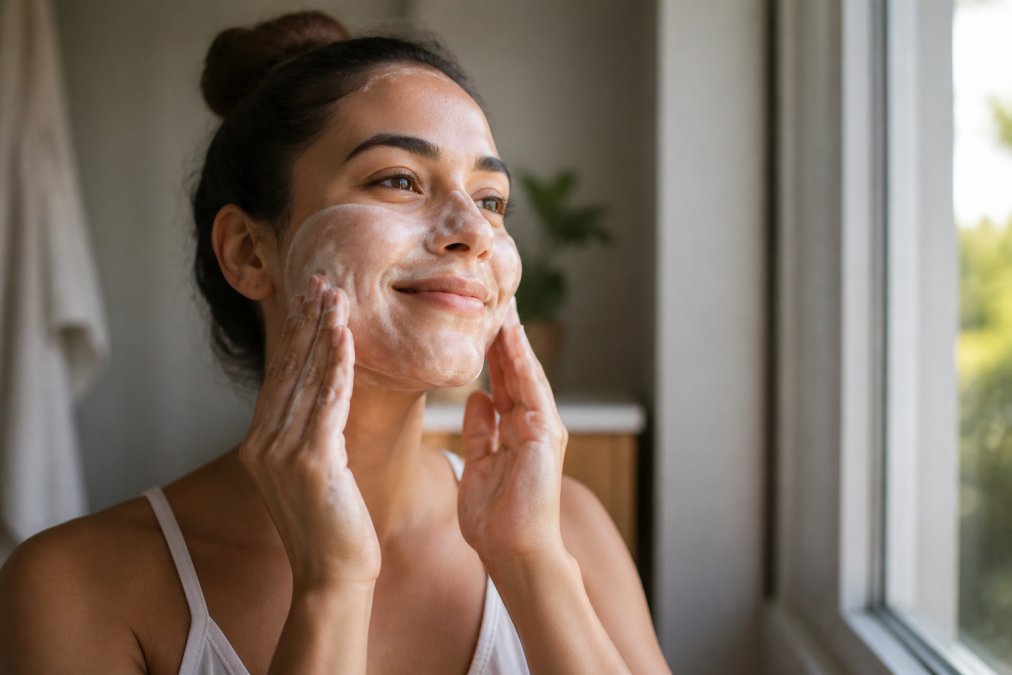
Essential oils and botanical infusions contribute measurable benefits. Lavender has documented antimicrobial properties (peer-reviewed research). Oat soothes inflammation. Calendula supports skin repair. These aren't anecdotal, they're established in dermatological literature. Commercial soaps can't include them because heat degrades them during processing.
The skin microbiome, the community of bacteria living on your skin, responds to soap chemistry. Harsh detergents disrupt the microbiome, killing beneficial bacteria alongside harmful ones. This disruption triggers inflammation and sensitivity. Gentler soaps preserve the microbiome, supporting the skin's natural defense system. This is an emerging area of dermatological research, but the mechanism is clear: preserving the microbiome reduces inflammation and improves barrier function.
pH balance matters too. Natural soap is typically pH 8-9, slightly alkaline. Commercial soaps are often formulated to be pH neutral or slightly acidic. The skin's natural pH is around 4.5-5.5, so both soap types require the skin to rebalance afterward. However, cold process soap's glycerin and plant butters support this rebalancing faster than stripped commercial bars.
None of this requires you to accept marketing claims uncritically. The science is available. Cold process retains glycerin, that's chemistry. Gentler surfactants preserve the barrier, that's dermatology. Handmade soaps using whole botanical ingredients deliver those ingredients intact, that's basic heat stability. These aren't opinions; they're observable facts.
Common Myths About Natural Soap Pricing and Performance
Myth: Natural soap is just marketing. False. The difference between cold process and hot process is measurable, curing time, glycerin retention, ingredient preservation. These aren't subjective. A bar made with cold process saponification is chemically different from one made with hot process, regardless of brand or price.
Myth: All handmade soaps are the same. False. Quality varies enormously. A bar made with refined oils and minimal botanicals differs significantly from one using premium butters and essential oils. Price often reflects this difference legitimately. Minerva Rae's focus on intentional ingredient selection and design represents a specific commitment to quality that isn't universal across all artisanal makers.
Myth: Natural soap doesn't lather. False. Cold process soap lathers beautifully, especially formulations using coconut oil or palm oil (though sustainable sourcing matters). The lather is creamier and more stable than commercial bars because the glycerin creates a different foam structure. Some people prefer it; others miss the aggressive lather of synthetic detergents. Both reactions are valid.
Myth: You're paying for packaging and aesthetics. Partially true, but incomplete. Yes, handmade soaps often feature beautiful designs and packaging. But the design is a consequence of the production method, not a separate cost. Cold process soap can be poured into molds and colored with mica or oxides, the visual appeal emerges naturally from the process. You're not paying extra for looks; you're paying for a production method that allows looks.
Myth: Natural soap doesn't work for oily skin. False. Formulations with higher percentages of cleansing oils like castor and coconut work effectively for oily skin. The difference is that they cleanse without stripping, so skin doesn't overproduce sebum in response. Someone with oily skin often sees improvement after switching to handmade soap because the barrier isn't being damaged repeatedly.
Myth: Price differences are just marketing. Partially true. Some premium brands do charge more than their ingredients justify. But significant price differences often reflect real variables: sourcing costs (organic ingredients cost more), curing time (longer curing ties up inventory), batch size (small batches have higher per-unit overhead), and ingredient quality (premium butters cost more than commodity oils). Not all of this is marketing.
Are natural soaps worth the price? The evidence suggests yes, but with conditions. If you have sensitive skin, the reduction in irritation justifies the cost immediately. If you're calculating purely on cost-per-use, handmade soap becomes competitive once you account for longevity. If you value environmental impact, the biodegradability and lack of synthetic preservatives matter.
The real question isn't whether natural soap is worth the price in absolute terms. It's whether the specific benefits align with your priorities. Minerva Rae's handcrafted approach, cold process and melt and pour methods, intentional ingredient selection, focus on lasting quality, delivers on the promise that higher price reflects genuine difference. Explore the collection to find formulations matched to your skin's actual needs, not marketing assumptions about what natural soap should be.
Frequently Asked Questions
Q: Is natural soap actually better for your skin than commercial soap?
A: Natural soaps made through cold process retain glycerin, a humectant that draws moisture into the skin. Commercial soaps often strip this out to reduce costs. For sensitive or dry skin, natural soaps typically cause less irritation because they lack synthetic detergents and harsh chemicals. However, effectiveness depends on your skin type and the specific ingredients used. Those with oily skin may find traditional natural soaps too moisturizing, while sensitive skin types often see improvements in hydration and reduced inflammation.
Q: How much longer do natural soap bars last compared to drugstore soap?
A: A well-made natural soap bar typically lasts 20-30% longer than commercial bars because of its density and the way it's formulated. A single natural soap bar can outlast 1.5 to 2 commercial bars of similar size. This longevity directly affects cost-per-use. Proper storage (keeping soap dry between uses) extends this further. Many users report that a natural soap bar delivers the same number of washes as 2-3 drugstore bars, narrowing the actual price gap significantly.
Q: What makes handmade soap more expensive than commercial bars?
A: Handmade soaps cost more due to several factors: cold process production takes 4-6 weeks of curing (compared to hours for commercial soaps), premium natural oils and plant butters cost more than synthetic detergents, small-batch production eliminates economies of scale, and artisans retain natural glycerin rather than extracting it. Labor is also higher because each bar requires more attention. Additionally, ethical sourcing and cruelty-free practices add certification and supply chain costs that mass producers don't incur.
Q: Does the price of natural soap reflect better skin outcomes?
A: For many people, yes. Natural soaps preserve the skin barrier through retained glycerin and botanical emollients, while synthetic detergents can strip oils and disrupt your skin microbiome. Those with sensitive, dry, or condition-prone skin often see measurable improvements like reduced redness, less itching, and better hydration. However, results vary by individual and ingredient quality. A premium natural soap with carefully selected oils will outperform both cheap natural soaps and drugstore bars.
This article was written using GrandRanker