

Table of Contents
- Why Handmade Soap Is Better for Sensitive Skin
- Handmade Soap vs Commercial Soap Ingredients
- Benefits of Cold Process Soap for Sensitive Skin
- Is Glycerin Good for Sensitive Skin?
- The Skin Barrier and Why It Matters
- Key Ingredients to Seek and Avoid
- How to Patch Test Before Full Use
- Conclusion
Last Updated: August 20, 2026
Why Handmade Soap Is Better for Sensitive Skin
Sensitive skin requires ingredients and production methods that respect your skin's delicate balance. Handmade soap, particularly cold-process varieties, preserves the glycerin your skin needs while avoiding harsh chemicals that trigger inflammation and dryness. Commercial soaps strip away natural moisturizers and contain irritants designed for mass production, not skin health. This guide breaks down what makes handmade soap superior for reactive, dry, or compromised skin, and how to identify products that will actually help.
Handmade Soap vs Commercial Soap Ingredients
What Commercial Bars Contain
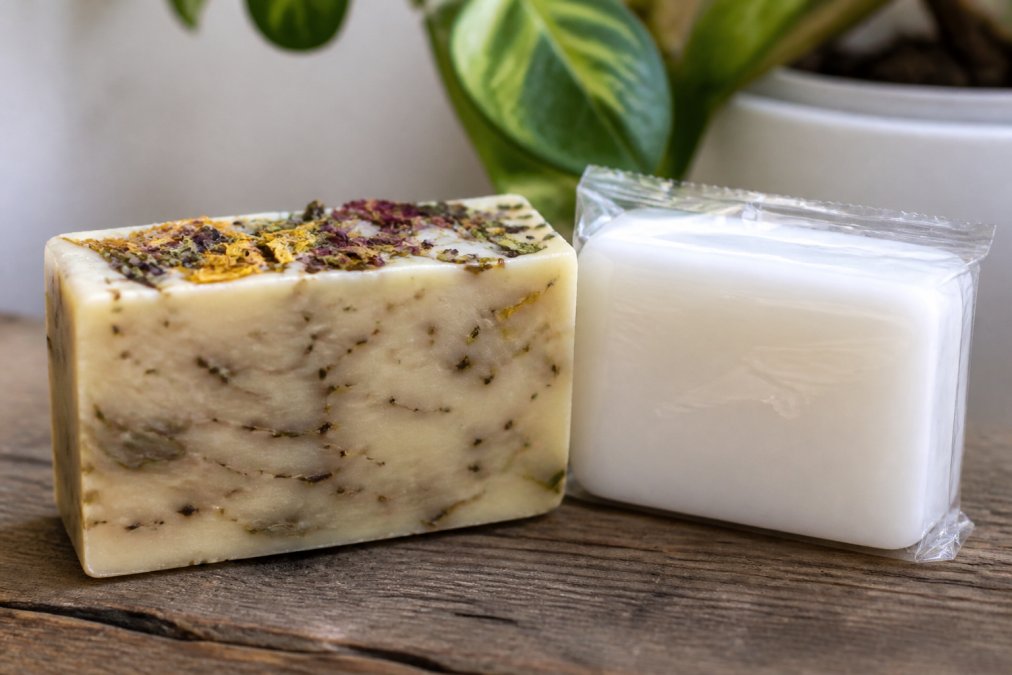
Commercial soap manufacturers prioritize profit margins over skin health. They strip out glycerin during production, the very compound that makes soap moisturizing, and replace it with synthetic detergents and chemical preservatives.
Most drugstore bars contain sodium lauryl sulfate (SLS) or sodium laureth sulfate (SLES), surfactants that create lather but destroy the skin barrier through aggressive cleansing. These disrupt the lipid barrier, leaving sensitive skin vulnerable to irritation and increased dryness. Commercial manufacturers also add parabens as preservatives and synthetic fragrances that trigger contact dermatitis in many people.
The production process matters too. Commercial soap uses hot-process methods or high-heat drying that breaks down beneficial plant compounds and eliminates natural glycerin. The result is a bar that cleanses effectively but leaves skin feeling tight, itchy, and irritated.
What Handmade Bars Offer Instead
Handmade soap, especially cold-process varieties, takes the opposite approach. Artisans control every ingredient and preserve the natural glycerin that forms during saponification. This glycerin acts as a humectant, drawing moisture into the skin rather than stripping it away.
Cold-process handmade soaps use plant-based oils like shea butter, coconut oil, and olive oil as the base. Instead of synthetic fragrance, many use essential oils or remain unscented entirely, eliminating a major trigger for sensitive skin reactions. Preservatives tend to be gentler options like vitamin E or rosemary extract rather than parabens.
Because cold-process soap never reaches high temperatures, beneficial compounds in plant oils remain intact. Botanicals like oatmeal, chamomile, and calendula maintain their soothing properties. Minerva Rae's handcrafted soaps exemplify this approach, using cold-process and melt-and-pour methods to deliver premium ingredients without irritants that trigger flare-ups.
Benefits of Cold Process Soap for Sensitive Skin
How Saponification Preserves Natural Glycerin
Cold-process soap relies on saponification, where oils and lye combine to create soap and glycerin. In handmade production, this reaction happens slowly at room temperature, allowing glycerin to remain suspended in the final bar rather than being extracted and sold separately.
Glycerin is a humectant that binds water molecules and pulls moisture into the outer layers of skin. For sensitive skin, this is crucial. While commercial manufacturers remove glycerin to increase profit, handmade soap makers leave it in because it's what makes the soap genuinely moisturizing. This is especially important for people with eczema, psoriasis, or contact dermatitis, where moisture retention directly impacts symptom severity.
Lower Heat Means Better Ingredient Integrity
Cold-process soap never exceeds room temperature during production. Heat degrades beneficial compounds in plant-based oils and botanical additives. The antioxidants in green tea, anti-inflammatory properties of chamomile, and soothing compounds in oatmeal all remain active in cold-process soap.
Commercial hot-process methods use temperatures above 140°F, which breaks down these compounds. Cold-process production preserves what nature put into the oils. This also means cold-process soap can offer lasting quality. Many people report that a single handmade bar can last longer than some commercial bars.
Is Glycerin Good for Sensitive Skin?
Yes. Glycerin is one of the most beneficial ingredients for sensitive skin, which is precisely why commercial manufacturers remove it. Glycerin works through humectant action, drawing water from deeper skin layers to the surface and increasing hydration without adding occlusive barriers that might trap irritants.
For sensitive skin, hydration is protective. When your skin is well-moisturized, the skin barrier functions more effectively, reducing inflammation and decreasing susceptibility to irritants. The glycerin in handmade soap is natural glycerin produced during saponification, not synthetic glycerin added later, and integrates more seamlessly into the soap's structure.
People with sensitive skin often notice the difference immediately. Skin feels softer, less tight, and less prone to post-wash irritation. If you've experienced that uncomfortable "squeaky clean" feeling from commercial soaps, that's the absence of glycerin.
The Skin Barrier and Why It Matters
Your skin barrier, technically called the stratum corneum, is a protective layer of dead skin cells and lipids that keeps irritants out and moisture in. When compromised, water escapes, irritants penetrate more easily, and inflammation increases. This is why sensitive skin flares up unpredictably and why standard soap often makes it worse.
Harsh surfactants in commercial soap disrupt this barrier by stripping away the lipids that hold it together. Once compromised, your skin becomes hyperreactive, developing contact dermatitis more easily and intensifying dryness. Handmade soap supports barrier health rather than undermining it. Plant-based oils provide lipids that reinforce the barrier. Glycerin hydrates without disrupting the lipid structure. Over time, consistent use of appropriate handmade soap allows your barrier to repair itself, reducing sensitivity and flare-up frequency.
The pH Factor: Why Soap pH Matters More Than Most People Realize
Your skin's natural pH is approximately 4.5-5.5 (acidic), a protective mechanism that inhibits bacterial overgrowth, supports the skin microbiome, and helps maintain the lipid barrier's structural integrity. Most soaps are alkaline, with traditional soap naturally producing a pH of 9-10. When you wash with alkaline soap, you temporarily raise your skin's pH, disrupting the acid mantle and creating an environment where irritants penetrate more easily.
For people with sensitive skin, this pH disruption is a major problem. Even a single wash can trigger inflammation and exacerbate conditions like eczema or rosacea. The barrier doesn't fully recover to its natural pH for 30 minutes to several hours after washing.
High-quality artisanal soap makers address this through "superfatting," where they add extra oils beyond what the lye will fully saponify. These excess oils remain in the finished bar and create a more emollient, less alkaline product. Some use chelation, adding ingredients like sodium citrate or citric acid to buffer the soap's alkalinity and bring it closer to skin-neutral pH.
When selecting a handmade soap, ask the maker about their pH approach. Transparent artisans will provide pH information or explain their superfatting ratio. This single question can help you identify soaps specifically formulated for barrier health.
Key Ingredients to Seek and Avoid
Plant-Based Oils and Emollients
The foundation of any good handmade soap for sensitive skin is plant-based oils. Shea butter provides deep nourishment and supports barrier function. Coconut oil has antimicrobial properties. Olive oil is gentle and rich in antioxidants. Jojoba oil closely mimics skin's natural sebum, making it particularly well-tolerated by reactive skin.
Botanicals matter too. Colloidal oatmeal soothes irritation and provides gentle exfoliation. Chamomile has anti-inflammatory properties. Calendula supports skin healing.
Chemicals That Trigger Irritation
Avoid sulfates entirely. Both SLS and SLES damage the skin barrier. Parabens are worth avoiding if you have reactive skin, as some people develop contact dermatitis to them. Synthetic fragrances are a major trigger for sensitive skin, the term "fragrance" can hide dozens of undisclosed chemical compounds. Essential oils are a better alternative, though even these should be patch-tested first.
Avoid triclosan and other antimicrobial agents beyond what naturally occurs in plant oils, as these disrupt skin microbiota and can trigger irritation.
Identifying Allergens in Natural Ingredients
While handmade soaps avoid synthetic irritants, natural ingredients can still trigger contact dermatitis. "Natural" does not mean "hypoallergenic."
Essential oils with higher allergen potential: Lavender, tea tree, eucalyptus, and peppermint are popular but among the most common contact allergens. Citrus oils are phototoxic and can cause irritation when skin is exposed to sunlight. Cinnamon, clove, and ylang-ylang are potent sensitizers that should be avoided or used in extremely dilute concentrations.
Botanical additives to approach cautiously: Chamomile can trigger reactions in people allergic to ragweed. Calendula may cause contact dermatitis in sensitive individuals. Oatmeal is usually well-tolerated but can irritate if the skin is severely compromised.
Fragrance-free is safest: If you have a history of contact dermatitis or multiple sensitivities, unscented handmade soap is the most reliable choice. Many artisanal soap makers offer fragrance-free bars made with only base oils and minimal additives.
Look for ingredient lists that specify essential oils by name rather than grouping them under "fragrance." If a label is vague, contact the maker directly. The key advantage of handmade soap is that makers are typically accessible and willing to customize.
How to Patch Test Before Full Use
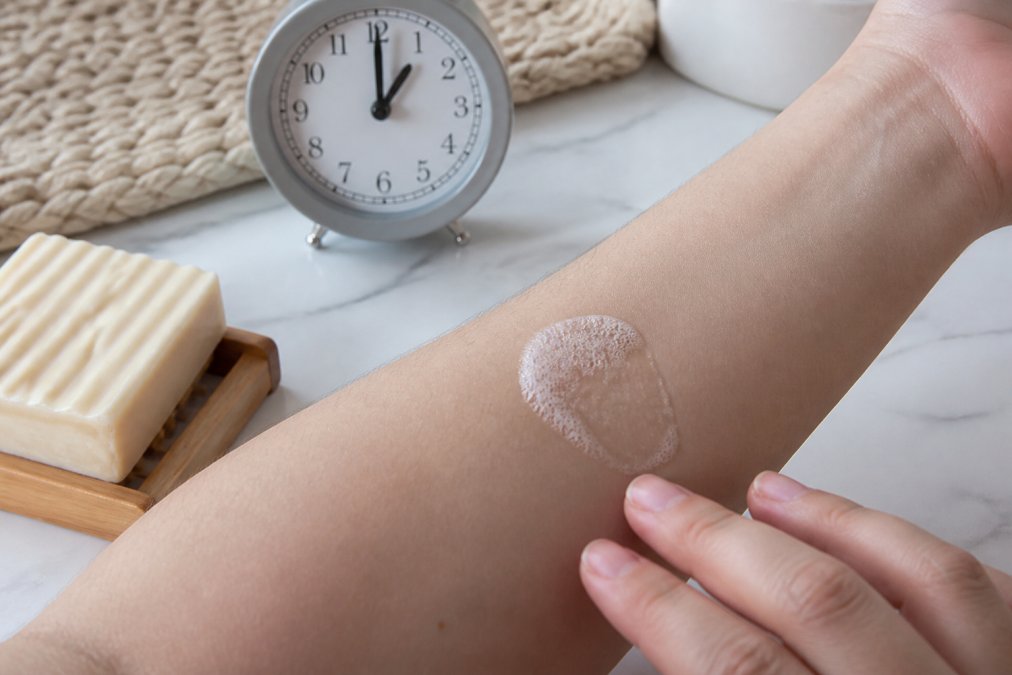
Even with high-quality handmade soap, patch testing is essential before committing to regular use. Select a small, inconspicuous area of skin, the inner forearm or behind the ear works well. Wet the area with lukewarm water and gently rub the soap bar against your skin for 10-15 seconds, creating a light lather. Rinse thoroughly with cool water and pat dry.
Wait 24 hours. Observe for any reaction: redness, itching, burning, or swelling. Some reactions appear immediately, but delayed reactions are common with contact dermatitis. If no reaction occurs after 24 hours, use the soap normally on that same area for three days before expanding to larger body areas.
This methodical approach prevents purchasing a bar only to discover it triggers a flare-up.
Sensitive skin requires products that respect your skin's physiology rather than prioritize profit margins. Handmade soap delivers on this promise through preserved glycerin, plant-based oils, and the absence of irritating synthetics. The cold-process method ensures ingredient integrity and creates bars that offer lasting quality while providing genuine moisturizing benefit.
If you've struggled with commercial soaps leaving your skin tight, itchy, or inflamed, handmade soap offers a tangible difference. Minerva Rae's handcrafted collection is designed specifically for discerning individuals seeking products that elevate their skincare routine while respecting sensitive skin needs. Each bar combines premium, intentionally selected ingredients with refined craftsmanship to deliver the kind of gentle, nourishing cleanse that sensitive skin actually requires. Explore the Collection and discover soap that works with your skin rather than against it.
Frequently Asked Questions
What type of soap is best for very sensitive skin?
Handmade soap made with cold-process methods and plant-based oils is ideal for sensitive skin. Cold-process soap retains natural glycerin, which acts as a humectant to lock in moisture. Look for bars without sulfates, parabens, or synthetic fragrances. Ingredients like coconut oil, shea butter, and oatmeal soothe irritation and support the skin barrier. Always patch test first on a small area to confirm compatibility.
Is glycerin good for sensitive skin?
Yes, glycerin is excellent for sensitive skin. It's a natural humectant that draws moisture into the skin and strengthens the lipid barrier, which is critical for preventing irritation and dryness. Commercial soaps often strip away natural glycerin during manufacturing, but cold-process handmade soaps preserve it. This retained glycerin provides superior hydration and protection for compromised or reactive skin.
What ingredients should I avoid in soap for sensitive skin?
Avoid sulfates (especially sodium lauryl sulfate), parabens, synthetic fragrances, and harsh synthetic detergents. These strip the skin barrier and trigger flare-ups, dryness, and contact dermatitis. Also watch for dyes, phthalates, and triclosan. Instead, choose handmade soaps with botanical essences, plant-based oils, and minimal additives. Check the ingredient list and perform a patch test before using any new soap.
How long does handmade soap actually last compared to commercial bars?
Handmade soap bars, especially cold-process varieties, typically last 2-3 times longer than commercial bars because they're denser and contain less water. A well-made handmade bar can last 4-6 weeks with regular daily use, while commercial bars often dissolve in 2-3 weeks. Using a drainage soap dish extends longevity further by allowing the bar to dry between uses, maximizing value and reducing waste.
This article was written using GrandRanker