

Table of Contents
- Why Handmade Soap Storage Matters More Than You Think
- The Ideal Environment for Storing Handmade Soap Bars
- How Long Does a Bar Last? Understanding Handmade Soap Shelf Life
- The Best Soap Dish for Handmade Soap: Choosing for Drainage and Airflow
- How to Make Handmade Soap Last Longer: Curing and Beyond
- Common Storage Mistakes: What to Avoid
- Conclusion: Your Path to Perfectly Preserved Soap
- Frequently Asked Questions
Last Updated: September 7, 2026
Why Handmade Soap Storage Matters More Than You Think
Most people treat a bar of handmade soap like a drugstore purchase: unwrap it, set it on the nearest ledge, and let water pool around it. That routine is precisely why so many beautiful artisanal bars dissolve into mush within two weeks. Learning how to store handmade soap bars correctly transforms them from a fleeting luxury into a lasting daily ritual.
Proper storage is the difference between a bar that lasts a month and one that graces your routine for two or three. Handmade soap is glycerin-rich, making it more moisture-attracting than commercial bars. At Minerva Rae, we craft every batch using cold process and melt and pour methods, and storage habits determine whether our bars deliver their full lifespan.
Mastering storage requires no special equipment, just an understanding of humidity, airflow, and patience. Below are the seven rules to keep every bar in peak condition, from the curing rack to your bathroom shelf.
The Ideal Environment for Storing Handmade Soap Bars
The ideal environment for storing handmade soap bars is a cool, dry, dark space with consistent temperature and gentle air circulation. Think of your soap like fine chocolate: heat, light, and humidity are its three enemies.
A linen closet or a cupboard away from the stove and dishwasher works beautifully. Temperature fluctuations cause soap to sweat, releasing glycerin dew that beads on the surface, then reabsorbs, softening the bar and accelerating fragrance loss. Aim for a spot that stays below 75°F with relative humidity under 60% (soapguild.org).
Air circulation matters just as much as temperature. Stacking bars tightly or sealing them in plastic traps the moisture that evaporates during curing. Instead, space bars out on a shelf or wire rack so air can move around each one.
The High-Humidity Problem Most Guides Ignore
If you live in a coastal or southern climate, or anywhere summer humidity regularly tops 70%, the standard advice above is insufficient. Glycerin, a humectant left intact in handmade soap, pulls moisture from the air directly onto the bar's surface, creating a cycle of softening and fragrance loss that can ruin a bar within weeks.
Most storage guides assume a temperate, climate-controlled interior, which fails for the millions of households in humid zones where indoor relative humidity can reach 75-85% during summer months. Here is what actually works in those conditions:
1. Use a dedicated storage container with desiccant. A large glass or ceramic jar with a tight-fitting lid, lined with parchment paper, and containing a food-grade silica gel packet creates a microclimate drier than the surrounding room. Replace the silica packet every 2-3 months.
2. Choose a dehumidifying cabinet or closet. Small electric dehumidifiers rated for 200-300 square feet cost between $40 and $80 and can drop a closet's humidity by 15-20 percentage points. Alternatively, hanging moisture-absorbing calcium chloride tubs work as a passive option.
3. Time your wrapping. In humid climates, do not wrap bars immediately after curing. A fully cured bar still contains 5-10% residual moisture, and wrapping too soon traps it inside. Instead, let cured bars rest unwrapped on a wire rack for an additional 1-2 weeks in your driest room, then wrap them.
4. Rotate stock seasonally. Bars stored through a humid summer degrade faster than those stored through winter. If you make or buy in bulk, use your oldest bars during the most humid months and save newer bars for drier seasons.
The Dry-Climate Counterpoint
In arid western states where indoor humidity drops below 30%, soap can dry too quickly, causing surface cracking and brittleness. If you see fine hairline cracks within days of unwrapping, wrap bars in parchment paper sooner and store them in a slightly less ventilated space, such as a closed cupboard rather than an open wire rack.
For soap makers selling in humid regions, consider investing in a small hygrometer (digital models cost $10-15) to monitor your storage space. Knowing your actual humidity level beats guessing, and prevents the disappointment of ruined inventory.
How Long Does a Bar Last? Understanding Handmade Soap Shelf Life
Handmade soap shelf life depends entirely on the oils used and how the bar is stored. A properly cured cold process bar made with stable oils can last two to three years in ideal conditions, while bars made with softer, more perishable oils like hemp or flaxseed may only last six to twelve months (peer-reviewed research).
The curing process is the foundation of longevity. Freshly made soap is still completing saponification, the chemical reaction that transforms oils and lye into soap. During the four to six week cure, excess water evaporates, leaving a harder, longer-lasting bar.
Oil Chemistry Determines Shelf Life
Not all oils age equally. Understanding which oils are in your bar tells you how long it will realistically last:
| Oil Type | Typical Shelf Life in Soap | Why |
|---|---|---|
| Olive oil | 2-3 years | High oleic acid content resists oxidation |
| Coconut oil | 2-3 years | Saturated fats are highly stable |
| Palm oil | 2-3 years | Balanced fatty acid profile |
| Shea butter | 1-2 years | Moderate stability |
| Sweet almond oil | 12-18 months | Higher linoleic acid content |
| Hemp seed oil | 6-12 months | Very high polyunsaturated content oxidizes quickly |
| Flaxseed oil | 3-6 months | Extremely perishable; best used fresh |
Bars labeled "high oleic" or made primarily with olive, avocado, or macadamia oils will outlast those featuring hemp, flax, or high percentages of sweet almond oil. If you buy from a maker who lists their oils, check for these perishable ingredients first.
The True Enemy: Rancidity and Dreaded Orange Spots
The true enemy of shelf life is rancidity, often appearing as Dreaded Orange Spots or DOS. These orange or brown specks signal that the oils have oxidized (peer-reviewed research). Essential oil oxidation and exposure to light accelerate this process. A bar stored in a dark cupboard will outlast one on a sunny windowsill by months.
Rancidity is not merely cosmetic. An oxidized bar develops a sharp, unpleasant odor reminiscent of old cooking oil or play-dough. The bar may still lather, but the experience is compromised, and some users report skin irritation.
How to Test Whether an Old Bar Is Still Good
Most guides tell you to look for orange spots but never explain how to evaluate a bar that has been in storage for a year or more. Here is a practical three-step inspection:
Step 1: The visual check. Examine the bar under bright light. Look for orange or brown specks, dark patches, or a greasy film. Surface DOS can sometimes be planed off with a vegetable peeler if the spots are shallow and the bar smells fine underneath. If discoloration penetrates deeply or covers more than 25% of the surface, discard the bar.
Step 2: The sniff test. Hold the bar one inch from your nose and inhale. A fresh bar should smell like its intended fragrance, lavender, citrus, oatmeal, whatever the maker designed. A rancid bar smells sour, musty, or like stale cooking oil. If you cannot detect the original fragrance, the oils have oxidized. Trust your nose; it detects rancidity far earlier than your eyes.
Step 3: The touch test. Press your thumb gently into the bar's surface. A well-stored bar should feel firm and slightly waxy. If it feels greasy, sticky, or leaves an oily residue, the oils are breaking down. If it feels crumbly or excessively dry, the bar has lost too much moisture but may still be usable, test it in the shower before discarding.
Batch Tracking for Makers and Bulk Buyers
The Best Soap Dish for Handmade Soap: Choosing for Drainage and Airflow
The best soap dish for handmade soap is one that lifts the bar completely off the surface and allows water to drain away freely. A flat ceramic dish without ridges is the worst possible choice; your bar will sit in a puddle and turn to jelly within days.

Look for dishes with raised slats, bamboo ridges, or drainage holes. The goal is airflow beneath the bar so the bottom dries as quickly as the top. Wooden dishes with gaps excel at this, as do ceramic designs with built-in drainage channels.
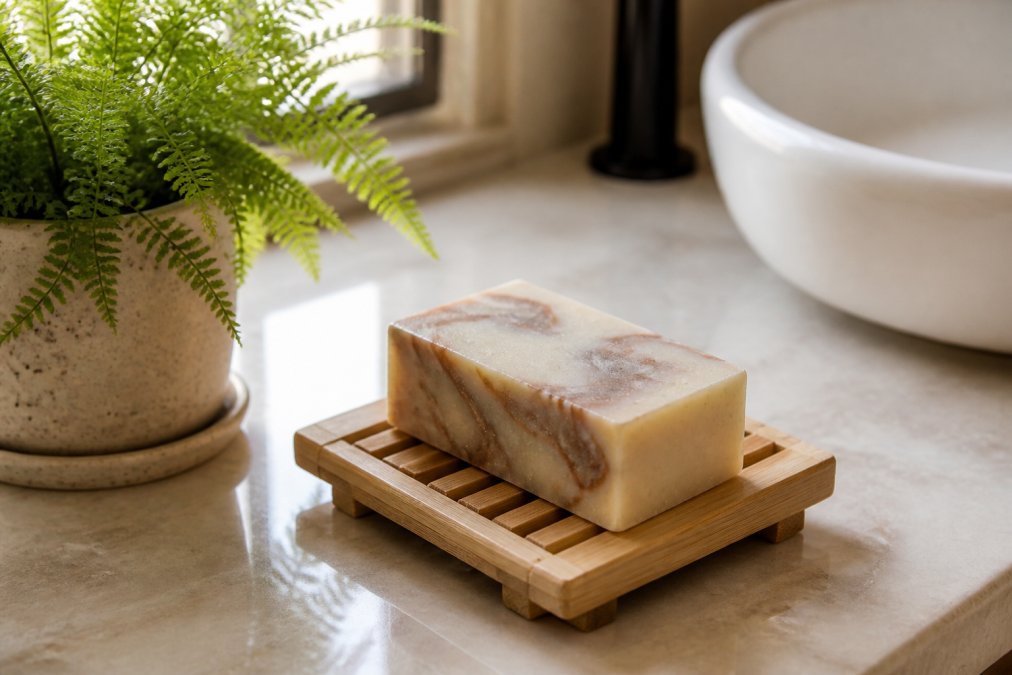
Our Natural Alderwood Soap Dish is designed for this purpose. Handcrafted from sustainable alder wood, its slatted surface allows water to fall through while the bar stays elevated and dry. For a touch of vintage charm, our Chic Ceramic Mini Tub Soap Dish offers the same drainage principles with a whimsical clawfoot tub silhouette that measures 5.6 inches long, comfortably holding standard bars.

Place your soap dish away from the direct spray of the showerhead. Even the best drainage dish cannot save a bar that is continuously blasted with water between uses.
Between uses, allow the dish itself to dry out completely. Rotate two dishes if you use the same spot daily, giving each one a full day to air out. This simple habit dramatically extends bar longevity.
How to Make Handmade Soap Last Longer: Curing and Beyond
To make handmade soap last longer, start with proper curing and then manage how the bar is used and stored between uses. The cure determines the bar's starting hardness; your habits determine how quickly it wears down from there.
For bars you are actively using, the "two-bar rotation" is the most effective strategy. Keep one bar in the shower and one in a dry, ventilated area. Alternate them every few days. This gives each bar up to 48 hours to fully dry between uses, which can double the life of both bars compared to using one continuously.
When storing spare bars for future use, breathable packaging is essential. Wrap each bar in parchment paper rather than plastic wrap. Parchment allows the bar to continue breathing while protecting it from dust and pests. For long-term storage, place wrapped bars in a cardboard box or a basket with ventilation holes, never an airtight plastic bin.
Pest prevention is a concern many guides overlook. Soap's fragrance attracts insects, and natural bars contain fats that pests find appealing. Store bars off the floor and inspect them periodically. Cedar blocks or lavender sachets deter moths without transferring unwanted scents to your soap.
For eco-conscious storage, skip plastic entirely. Cardboard boxes, cotton muslin bags, and wooden crates all provide ventilation while keeping bars clean. Our Sisal Soap Saver Bag serves double duty: it exfoliates during use and holds soap scraps until the very last sliver is gone, eliminating waste entirely.

Common Storage Mistakes: What to Avoid
Several common mistakes quietly destroy handmade soap, and most people never realize what went wrong until their bar has turned into an unusable mess.
Leaving soap in a puddle. The most frequent error. Water pooling on a flat dish softens the bar's base, and once the bottom goes mushy, the entire bar follows. Always use a draining dish.
Storing in direct sunlight. A sunny windowsill display looks lovely but fades colors, degrades fragrances, and accelerates rancidity. Ultraviolet light is particularly damaging to natural ingredients.
Sealing in plastic containers. Airtight containers trap the moisture that evaporates from the bar, creating a humid microclimate that breeds softness and mold. If you must use a container, choose one with ventilation holes and line it with parchment paper.
Forgetting about temperature swings. Bathrooms that alternate between steamy showers and cool nights stress soap bars. If your bathroom is consistently humid, store your daily-use bar elsewhere and bring it in only for showering.
Ignoring the cure. Buying or making soap and using it immediately, before the cure completes, guarantees a soft, short-lived bar. Patience during the four to six week cure pays off in durability.
| Mistake | Why It Hurts Your Soap | The Fix |
|---|---|---|
| Flat dish without drainage | Bar sits in water, softens, dissolves | Use a slatted or ridged dish |
| Direct sunlight exposure | Fades color, oxidizes oils, weakens scent | Store in a dark cupboard or covered dish |
| Airtight plastic storage | Traps moisture, encourages mold | Use parchment paper and breathable containers |
| Using before full cure | Soft bars wear away quickly | Wait 4-6 weeks after making or buying |
| Humid bathroom storage | Constant moisture absorption | Rotate bars and dry them elsewhere |
Conclusion: Your Path to Perfectly Preserved Soap
Mastering how to store handmade soap bars comes down to respecting one truth: soap is alive with moisture and oil, and it responds to its environment. Keep bars cool, dry, dark, and ventilated, and they will reward you with weeks of extra use and full fragrance retention.
Start with a draining soap dish, wrap spares in parchment paper, and give every bar time to dry completely between uses. For those who want the complete experience, explore the Minerva Rae collection, where each handcrafted bar is made with premium ingredients and designed to last. Pair your soap with our Natural Alderwood Soap Dish or Chic Ceramic Mini Tub Soap Dish to put these principles into practice immediately. Explore the collection and discover how proper storage elevates every shower into a lasting ritual.
Frequently Asked Questions
Can I store handmade soap in the bathroom?
Yes, but with conditions. The bathroom is high in humidity and temperature fluctuations, which can cause soap to soften, sweat, and lose its scent faster. To store handmade soap bars in the bathroom successfully, use a well-draining dish like a wooden alderwood soap dish that lifts the bar above pooled water. Keep it away from direct shower spray and ensure the room has adequate ventilation between uses.
How long does a handmade soap bar last once I start using it?
A properly cured and stored handmade soap bar typically lasts 4 to 6 weeks with daily use. Bar longevity depends on several factors: the soap's hardness, the amount of water it retains, and how it's stored between uses. A soap dish that allows air circulation and drainage is key to making the bar last longer, as it prevents the bottom from becoming soggy and dissolving prematurely.
Should I wrap my handmade soap in plastic for storage?
No, avoid plastic wrap for long-term storage. Handmade soap needs to breathe. Wrapping it in non-breathable plastic traps moisture, which can cause the bar to become soft and can lead to rancidity. Instead, wrap cured soap bars in breathable packaging like parchment paper or kraft paper. This allows excess moisture to escape while protecting the bar from dust and pests, preserving the handmade soap shelf life.