

Table of Contents
- What Makes High Quality Soap Different
- Benefits of Cold Process Soap for Your Skin
- Cold Process vs Melt and Pour Soap: Understanding the Methods
- How to Read Soap Labels and Decode Ingredient Lists
- Key Ingredients That Signal Quality Soap
- What to Avoid: Synthetic Detergents and Hidden Additives
- Testing Soap Quality: Lather, Longevity, and Feel
- Frequently Asked Questions
Last Updated: September 1, 2026
What Makes High Quality Soap Different
High quality soap is fundamentally different from mass-produced drugstore bars. True soap is crafted with intention through cold process or melt and pour methods, preserving beneficial compounds that harsh industrial manufacturing strips away.
Most commercial soaps are technically detergents, not true soap, made through rapid processes designed for maximum profit rather than skin health. Quality soap creates a creamy, luxurious lather that cleanses without stripping, leaving skin soft and hydrated instead of tight and uncomfortable.
At Minerva Rae, we focus on ingredient integrity, proper formulation, and production methods that preserve skin-loving properties. Quality markers are visible once you know what to look for: a dense, compact structure; abundant lather; extended longevity; genuine scent from essential oils or carefully selected fragrance; and an ingredient list you recognize.
Benefits of Cold Process Soap for Your Skin
Cold process soap preserves natural glycerin produced during saponification, the process that transforms oils and lye into soap (peer-reviewed research). Industrial manufacturers extract and sell this glycerin separately, leaving their bars drying and less nourishing. When glycerin stays in the soap, your skin receives genuine moisturizing benefit.
The slow saponification process, occurring over weeks, allows ingredients to fully transform without heat degradation. This enables formulators to include heat-sensitive ingredients, certain essential oils, botanicals, and specialty additives that would be destroyed by hot processing.
Cold processed bars develop a natural protective layer during curing, extending their longevity in the shower. Many people report that a single cold process bar lasts noticeably longer than conventional soap, offsetting the higher initial cost.
For sensitive skin, cold process offers distinct advantages. The lower processing temperature means fewer chemical reactions that might irritate delicate skin, while retained glycerin provides gentle hydration rather than stripping.
Cold Process vs Melt and Pour Soap: Understanding the Methods
Cold process involves mixing oils with lye at controlled temperatures, then pouring into molds where saponification occurs over 24-48 hours. The soap cures for 4-6 weeks, during which moisture evaporates and the chemical reaction completes. This lengthy timeline requires space, time, and careful monitoring, explaining the higher cost.
The advantage is control. Formulators create complex ingredient combinations and ensure full integration. The slow saponification preserves heat-sensitive components, and extended curing creates denser bars that last longer.
Melt and pour uses pre-made soap base already saponified. You melt this base, add colors and fragrance, pour into molds, and it's ready within hours. This method is faster and requires less technical knowledge.
The trade-off is flexibility versus speed. Melt and pour bases are formulated by manufacturers, limiting customization. However, quality melt and pour bases contain glycerin and premium oils, making them far superior to commercial bars.
Both methods can produce high quality soap. The critical factor is base ingredients and maker care. A premium melt and pour soap outperforms a poorly formulated cold process bar. At Minerva Rae, we use both methods strategically, cold process for maximum formulation control, melt and pour to showcase specific design elements while maintaining ingredient quality.
| Method | Production Time | Curing Time | Customization | Best For |
|---|---|---|---|---|
| Cold Process | 24-48 hours | 4-6 weeks | Highly customizable formulations | Complex blends, maximum control |
| Melt and Pour | 1-2 hours | 24 hours | Limited to base ingredients | Specific designs, faster production |
How to Read Soap Labels and Decode Ingredient Lists
Soap labels tell a story if you know how to read them. The order matters. Ingredients are listed by concentration, highest first. If water is listed first, the bar contains significant moisture (lower quality). If oils appear first, you're looking at a more concentrated formulation.
Recognize core ingredients. Quality soaps typically list oils like coconut oil, olive oil, palm oil, or tallow as primary ingredients. If the list jumps immediately to fragrance or additives before listing oils, that's a warning sign.
Understand saponification terminology. You'll see "sodium cocoate" (saponified coconut oil) or "sodium olivate" (saponified olive oil). The "sodium" indicates the ingredient has been chemically transformed through saponification, this is normal and expected, not a red flag.
Spot glycerin. If the label lists glycerin, the maker left it in, a positive sign.
Watch for synthetic detergents. Sodium lauryl sulfate (SLS) and sodium laureth sulfate (SLES) are harsher surfactants, not true soap. High quality soap doesn't need them.
Identify fragrance sources. "Essential oil" means plant-derived fragrance. "Fragrance" or "parfum" typically means synthetic fragrance oil. "Unscented" means no fragrance added, ideal for sensitivity.
Note additives. Colloidal oatmeal, mica, activated charcoal, and botanicals serve purposes. Excessive additives suggest prioritization of appearance over performance.
A quality soap label reads like a short ingredient list you mostly recognize. If it's longer than 15 ingredients or contains multiple unpronounceable additives, corners were likely cut.
Key Ingredients That Signal Quality Soap
Tallow and goat milk create exceptionally gentle, moisturizing bars. Tallow mirrors skin's natural oils, making it deeply nourishing. Goat milk adds lactic acid for gentle exfoliation while soothing. This combination is particularly valuable for sensitive or dry skin. Minerva Rae's Tallow & Goat Milk soap exemplifies this approach.

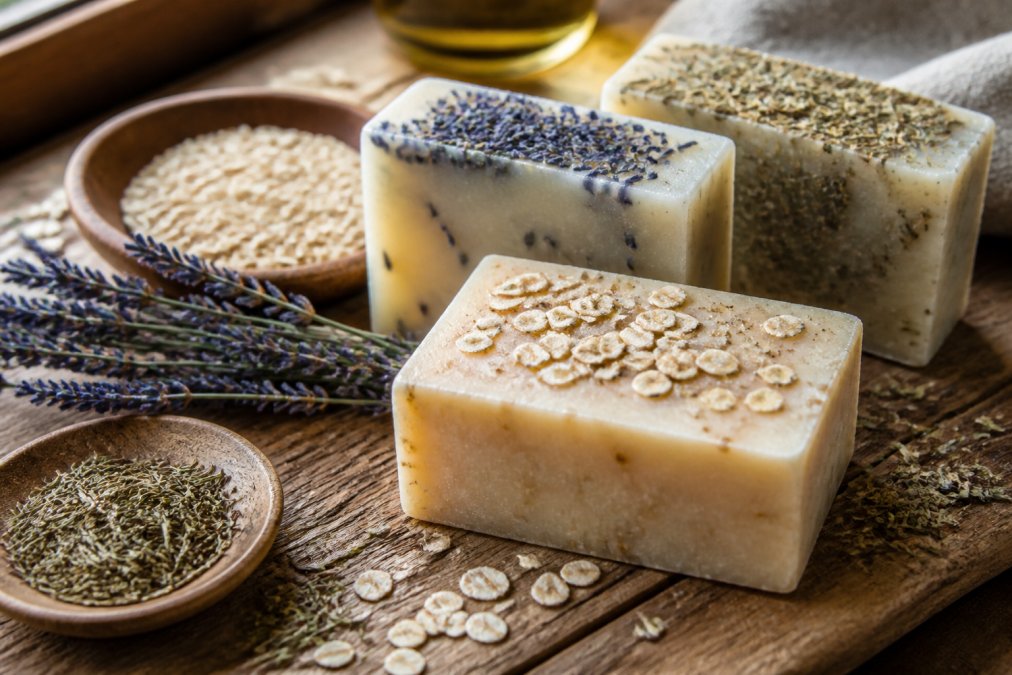
Essential oils signal intentional fragrance with skin benefits. Lavender carries calming and antimicrobial properties (peer-reviewed research). Quality makers use sufficient essential oil to deliver genuine benefit, not just masking scent.
Colloidal oatmeal and oat extract provide gentle exfoliation and soothing properties. Finely ground oatmeal buffs away dead skin while calming irritation, appealing to sensitive skin types. Minerva Rae's Old Fashioned Tallow & Oatmeal combines traditional formulation with this proven ingredient.
Activated charcoal and kaolin clay excel at purification. Charcoal binds to impurities and excess oil without over-drying. Kaolin clay draws out toxins and balances sebum production, creating bars suitable for acne-prone or congested skin.
Silk proteins and natural emollients create luxurious texture and skin conditioning. Tussah silk adds a velvety feel and strengthens the skin barrier. Plant-based emollients like shea butter provide lasting hydration.
Sustainable and ethically sourced oils indicate maker values. Palm oil from certified sustainable plantations, fair-trade coconut oil, and responsibly harvested botanicals signal consideration of environmental impact, often correlating with overall quality.
What to Avoid: Synthetic Detergents and Hidden Additives
Sodium lauryl sulfate (SLS) and sodium laureth sulfate (SLES) are primary red flags. These synthetic detergents create aggressive lather through chemical action rather than proper saponification. They strip the skin barrier, leaving it dry and compromised. Their presence indicates a detergent bar masquerading as soap.
Parabens (methylparaben, propylparaben, butylparaben) are synthetic preservatives. While regulatory bodies consider them safe at current levels, many prefer to avoid them, suggesting cost-effective preservation over alternative methods.
Triclosan and triclocarban are antimicrobial agents that disrupt hormone function and contribute to antibiotic resistance. The FDA banned triclosan from consumer products in 2016 (the FDA).
Phthalates are plasticizers hidden under "fragrance." They disrupt endocrine function and aren't required to be disclosed. This is why "unscented" or "essential oil" formulations offer more transparency.
Excessive colorants and dyes suggest prioritization of appearance over function. Synthetic dyes indicate focus on visual appeal rather than performance.
Fillers and bulking agents like talc, cornstarch, or sodium chloride inflate volume without adding benefit, indicating cost prioritization over quality.
Petroleum-derived ingredients like mineral oil suggest formulation built on cheap synthetics rather than plant or animal oils.
Unlisted or vague ingredients are major warning signs. Transparency is a marker of quality; makers confident in their formulations list everything.
Testing Soap Quality: Lather, Longevity, and Feel
Beyond labels, your senses reveal quality through immediate, practical tests.
Lather quality is the first indicator. Quality soap produces abundant, creamy lather that feels luxurious and conditioning, not stripping. Cheap soaps produce thin, watery lather or require excessive rubbing.
Longevity separates quality from mediocrity. A quality bar lasts 3-4 weeks of daily use; a cheap bar dissolves in 1-2 weeks. This comes from bar density and formulation. Cold process bars naturally last longer due to lower water content and proper curing.
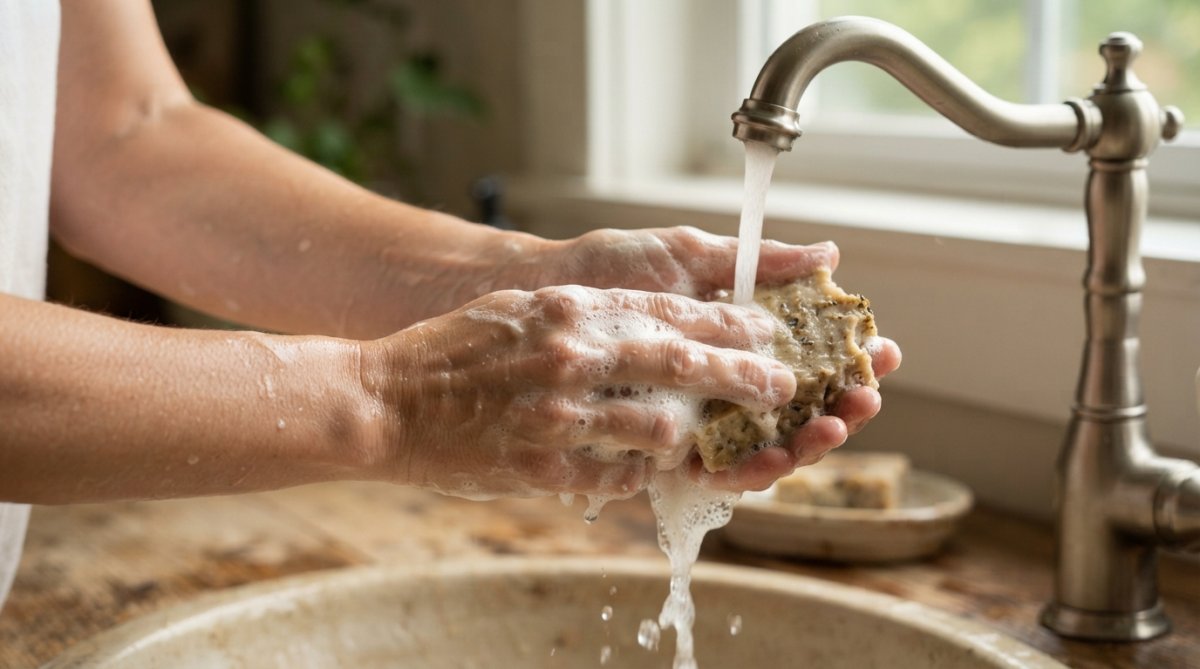
Feel in your hands communicates formulation quality. A quality bar feels smooth and slightly firm, not crumbly or overly soft. When wet, it doesn't immediately disintegrate. Texture should be consistent throughout.
Scent authenticity reveals fragrance quality. Essential oil scents smell complex and evolve as the soap dries. Synthetic fragrance oils smell consistent and sometimes artificial.
Skin response is the ultimate test. After using quality soap, skin should feel clean and soft, not tight or uncomfortable. Quality soap cleanses without stripping.
Water hardness resistance indicates formulation quality. Quality soaps lather well even in hard water. Poor formulations produce scummy lather or no lather in mineral-rich water.
Residue and film reveal ingredient quality. Quality soap rinses completely without leaving a film on skin or tub.
Finding high quality soap means understanding what separates genuine craftsmanship from mass production. The markers are clear: ingredient transparency, proper formulation methods, and honest performance across lather, longevity, and skin feel.
Quality soap delivers measurable benefits. Your skin feels better. The bar lasts longer. The sensory experience elevates daily routine into intentional self-care. At Minerva Rae, we've built our entire approach around these principles, using cold process and melt and pour methods strategically, sourcing premium ingredients thoughtfully, and designing bars that perform as beautifully as they look. Whether you choose our Tallow & Goat Milk for sensitive skin or Bulgarian Lavender for aromatherapy benefits, you're investing in bars made with genuine care for both your skin and the experience. Explore the Collection and discover how high quality soap transforms your daily routine.

Frequently Asked Questions
What ingredients distinguish high quality soap from commercial detergents?
High quality soap contains natural oils, botanicals, and glycerin created through true saponification, while commercial detergents rely on synthetic surfactants and harsh cleansing agents. Look for soaps listing specific oils like tallow, coconut, or olive oil, along with beneficial additives like essential oils, colloidal oats, or silk. Avoid bars listing sodium lauryl sulfate or other synthetic detergents. The saponification process in quality soaps preserves natural glycerin, which moisturizes skin rather than stripping it.
How can you tell if a soap is truly handmade or mass-produced?
Handcrafted soaps typically display slight color variations, visible texture from ingredients like oatmeal or botanicals, and irregular shapes, signs of individual batch production. Check the label for cold-processed or melt and pour methods, which indicate artisanal creation. Mass-produced bars have uniform appearance, artificial colorants, and synthetic fragrance. Handmade soaps often include curing time information (typically 4-6 weeks for cold-processed bars), which mass producers skip. Artisanal makers also list full ingredient transparency rather than vague terms like 'fragrance.'
Why does curing time matter for high quality soap?
Curing allows water to evaporate from the soap bar, making it harder and longer-lasting. Cold-processed soaps benefit from 4-6 weeks of curing, which creates a denser bar that lasts weeks longer than uncured alternatives. Proper curing also allows the saponification process to fully complete, ensuring all lye converts to soap and glycerin. This extended timeline signals a maker prioritizes quality over quick production. Uncured or quickly cured soaps dissolve faster and may irritate sensitive skin due to incomplete saponification.
What's the real difference between cold process and melt and pour soap?
Cold process soap is made by mixing oils and lye at room temperature, allowing the saponification reaction to occur naturally over weeks. This method preserves beneficial ingredients and creates a harder bar with superior lather. Melt and pour uses pre-made soap bases that are melted and reformulated, offering faster production but less control over ingredient quality. Both methods can produce excellent soap, but cold process typically retains more natural glycerin and allows custom formulation. Melt and pour works well for specific designs and additives like botanicals or essential oils without heat damage.
This article was written using GrandRanker