

Table of Contents
- Why Soap Ingredients Matter for Your Skin
- Common Toxic Chemicals in Commercial Body Wash
- Synthetic Fragrances and Hidden Chemical Names
- How to Read Soap Labels and Identify Hidden Toxins
- Benefits of Cold Process Soap vs. Commercial Alternatives
- Environmental Impact of Soap Ingredients
- Choosing Pure Handcrafted Soap for Sensitive and Dry Skin
- Conclusion
Last Updated: August 29, 2026
Why Soap Ingredients Matter for Your Skin
The ingredients in your daily soap fundamentally shape how your skin responds. Many assume all soaps work the same, but the difference between a bar made with nourishing ingredients and one loaded with synthetic chemicals can mean healthy skin versus chronic irritation.
Your skin's barrier maintains a protective layer of natural oils and pH balance that keeps moisture in and irritants out. Harsh surfactants, synthetic fragrances, and preservatives strip this protection, resulting in dryness, sensitivity, redness, and inflammation (peer-reviewed research). Understanding which soap ingredients to avoid isn't overcautious, it's informed decision-making aligned with how your skin actually works. At Minerva Rae, every bar is formulated with ingredients chosen for their ability to cleanse without compromising skin health.
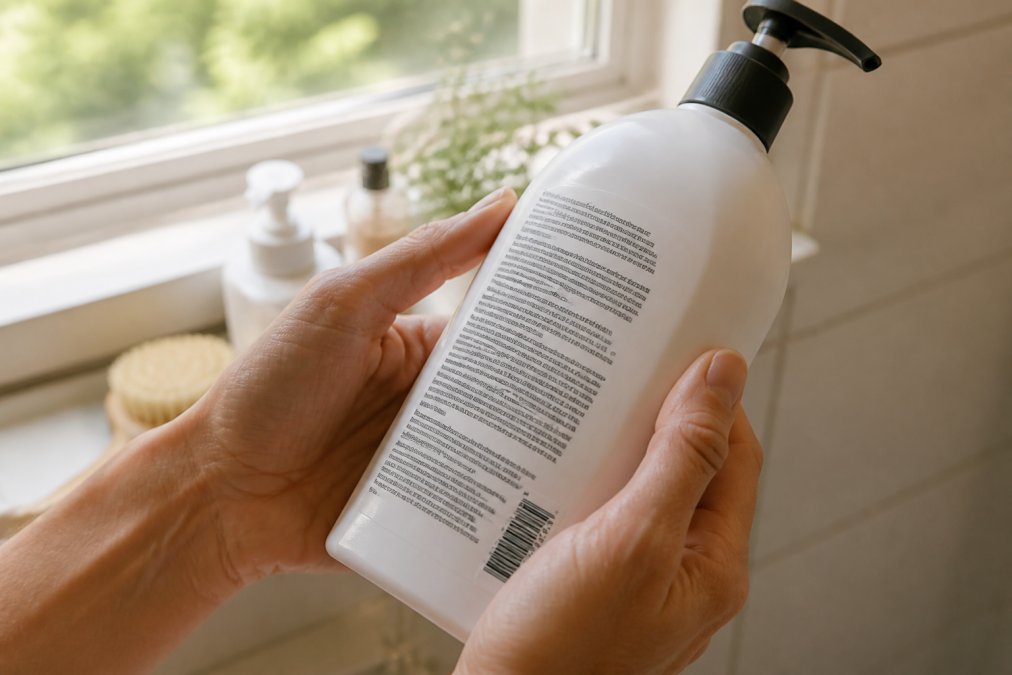
The challenge is that ingredient labels are deliberately confusing. Manufacturers use chemical names that obscure what's actually in the product. Sodium lauryl sulfate sounds technical. Phthalates hide inside "fragrance." Formaldehyde-releasing preservatives carry clinical names that don't signal danger. By the time you finish reading a commercial soap label, you've encountered a chemistry lesson you didn't ask for.
Common Toxic Chemicals in Commercial Body Wash
Commercial body washes rely on surfactants for cleaning, preservatives for shelf life, fragrances for appeal, and fillers for texture. Many of these standard ingredients were chosen for cost and manufacturing convenience, not skin safety.
Sulfates: SLS and SLES
Sodium lauryl sulfate (SLS) and sodium laureth sulfate (SLES) are surfactants that create lather and strip away dirt, oil, and bacteria, indiscriminately. They don't distinguish between harmful bacteria and your skin's protective lipid barrier. For people with sensitive skin, dry patches, or conditions like eczema or dermatitis, sulfates trigger inflammation. Your skin responds by producing excess oil to compensate, leading to the counterintuitive cycle of oily, irritated skin.
Cold process soap, made by combining oils and lye through saponification, creates natural surfactants without synthetic ones. The lather is gentler, the cleansing is effective, and your skin barrier stays intact. Handcrafted soaps cost more to produce, which is why commercial manufacturers stick with sulfates, a business decision, not a skin health decision.
Parabens and Phthalates
Parabens are preservatives that prevent bacterial and fungal growth, extending shelf life. The concern is that they mimic estrogen in your body, and chronic exposure to endocrine disruptors can affect hormone balance over time (the FDA).
Phthalates are more insidious because they're often hidden. They're used to make fragrances stick to skin longer but manufacturers can list them simply as "fragrance" or "parfum." This lack of transparency is deliberate. Both parabens and phthalates bioaccumulate, they build up in your body over time. Daily use of paraben-containing products for years means your body accumulates these chemicals in fatty tissue and organs.
Formaldehyde-Releasing Preservatives
Some manufacturers use preservatives that slowly release formaldehyde as the product ages, including DMDM hydantoin, diazolidinyl urea, and imidazolidinyl urea. Formaldehyde is a known irritant and potential carcinogen (the CDC). These preservatives are cheaper than alternatives, but the cost is passed to consumers as potential skin irritation and systemic exposure to a chemical linked to cancer risk.
Synthetic Fragrances and Hidden Chemical Names
The fragrance industry operates under a loophole: manufacturers don't have to disclose what's in their fragrance blend, it's protected as a trade secret. So "fragrance" or "parfum" could represent dozens of chemicals, including phthalates, synthetic musks, and other endocrine disruptors.
Synthetic fragrances are designed to be persistent, clinging to skin and clothing for hours. Natural fragrances, essential oils and plant-based scent compounds, are more volatile and fade faster. Commercial manufacturers prefer synthetics for better marketing, longer-lasting sensory experience, and cheaper production.
The health concern is cumulative exposure. Using synthetic fragrance in soap, shampoo, deodorant, lotion, and perfume means absorbing a cocktail of undisclosed chemicals daily. Many haven't been tested for long-term safety at typical consumer exposure levels.
If you want to know exactly what you're putting on your skin, choose products scented with essential oils or unscented entirely, like Minerva Rae's Tallow & Goat Milk soap, which is completely fragrance-free and lets the natural aroma of the ingredients speak for itself.

How to Read Soap Labels and Identify Hidden Toxins
The ingredient list is ordered by concentration, highest to lowest. If the first ingredient is water and the second is sodium lauryl sulfate, you're buying mostly water and a harsh surfactant.
Look for these red flags:
Surfactant names to avoid: Sodium lauryl sulfate (SLS), sodium laureth sulfate (SLES), ammonium lauryl sulfate.
Preservative names to watch: Any paraben (methylparaben, propylparaben, butylparaben, ethylparaben), DMDM hydantoin, diazolidinyl urea, imidazolidinyl urea, sodium benzoate (in high concentrations), potassium sorbate (in high concentrations).
Fragrance red flags: The word "fragrance" or "parfum" with no additional detail. If it just says "fragrance," assume it's synthetic.
Synthetic dyes: FD&C or D&C followed by a color and number (e.g., FD&C Blue No. 1). These are purely aesthetic with no skin health benefit.
What you want to see: oils (coconut, olive, palm, tallow), butters (shea, cocoa), glycerin, essential oils, and botanicals like oatmeal or dried flowers. These ingredients have functional purpose and clear safety profiles.
| Red Flag Ingredient | What It Does | Why to Avoid |
|---|---|---|
| SLS/SLES | Creates lather, strips oils | Damages skin barrier, causes irritation |
| Parabens | Preserves product | Endocrine disruptor, bioaccumulates |
| Phthalates | Makes fragrance last longer | Endocrine disruptor, hidden in "fragrance" |
| Formaldehyde releasers | Prevents bacterial growth | Irritant, potential carcinogen |
| Synthetic fragrance | Provides scent | Undisclosed chemicals, allergic reactions |
| Synthetic dyes | Adds color | No skin benefit, potential irritant |
Benefits of Cold Process Soap vs. Commercial Alternatives
Cold process soap is made through saponification, a chemical reaction between oils and lye that creates soap molecules and glycerin. No heat is applied, and no synthetic surfactants are needed. The process takes weeks to cure, which is why it costs more, but the result is fundamentally different from commercial soap.
When oils and lye react, they transform into something entirely new. The lye is consumed in the reaction and doesn't remain in the finished soap. What you get is a bar made of natural soap molecules that are gentle enough for sensitive skin but effective enough to actually clean. The glycerin, which commercial manufacturers often strip out to sell separately, stays in cold process soap, making it naturally moisturizing.
Cold process soap doesn't strip your natural oils the way sulfates do. You wash with it, your skin feels clean but not tight, and your skin barrier stays intact. Over time, this means less inflammation, less compensatory oil production, and healthier skin overall.
The difference becomes obvious with sensitive skin. A bar like Minerva Rae's Old Fashioned Tallow & Oatmeal uses tallow (rendered fat) and oatmeal to create a soap that cleanses without irritation. Tallow is nutrient-dense and contains fat-soluble vitamins your skin recognizes and absorbs. Oatmeal provides gentle mechanical exfoliation and soothing compounds called beta-glucans.

Environmental Impact of Soap Ingredients
The chemicals in commercial soap don't disappear after you rinse them down the drain. They enter water systems, where they persist and accumulate. Sulfates, parabens, and synthetic fragrances are all documented aquatic pollutants.
Parabens resist biodegradation and end up in rivers and oceans, where they bioaccumulate in aquatic life. Synthetic fragrances, designed to be persistent, don't break down in water systems and accumulate in sediment and fatty tissue of aquatic organisms. Researchers have found synthetic fragrance compounds in fish from pristine wilderness areas.
Cold process soap made with natural oils and essential oils biodegrades completely. The oils are metabolized by microorganisms in water systems, and essential oils break down into biodegradable component compounds. There's no persistence, no bioaccumulation, no long-term contamination.
Choosing soap made with natural ingredients means you're not adding endocrine disruptors and synthetic fragrances to local water systems every single day.
Choosing Pure Handcrafted Soap for Sensitive and Dry Skin
If your skin is sensitive or dry, commercial soap is likely making it worse. The solution is soap that actually supports skin health.
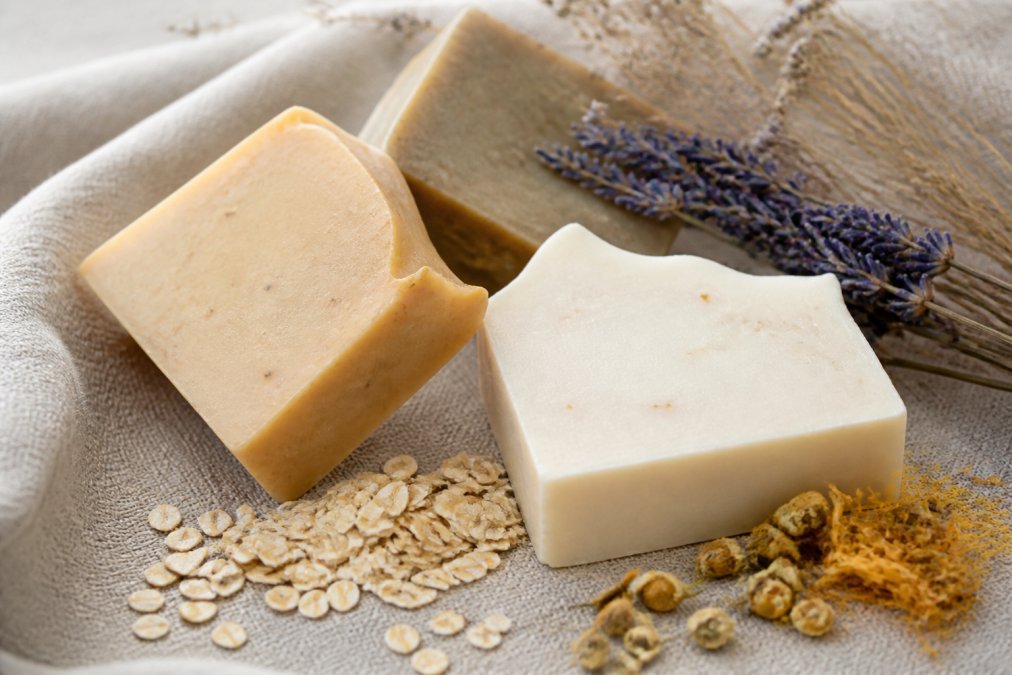
Look for these qualities in handcrafted soap:
Ingredient transparency: You should be able to read and understand every ingredient. Minerva Rae lists every ingredient because we stand behind what's in our products.
Absence of common irritants: No sulfates, no parabens, no synthetic fragrance. For truly sensitive skin, unscented is often best since essential oils, while natural, can still trigger reactions.
Moisturizing ingredients: Look for glycerin, oils, and butters. Tallow is exceptional for dry skin because it mirrors the lipid composition of human skin. Goat milk contains lactic acid, which gently exfoliates and moisturizes.
Proper curing time: Cold process soap should cure for at least 4-6 weeks, allowing excess water to evaporate and the soap to harden.
pH balance: Handcrafted cold process soap is naturally pH-balanced closer to skin's natural pH (around 5-6) than commercial soap, reducing irritation and supporting your skin barrier.
For dry skin, avoid strong fragrance and prioritize soaps with added oils and butters. The Old Fashioned Tallow & Oatmeal from Minerva Rae is designed for this: tallow provides deep nourishment, oatmeal soothes without stripping.
For sensitive skin, start with unscented options. Once your skin stabilizes, you can experiment with lightly scented options.
Choosing the right soap ingredients to avoid is the first step toward healthier skin. The second step is choosing what to use instead. Handcrafted cold process soap, made with intention and transparency, offers an alternative to the chemical-laden products that dominate store shelves. Your skin doesn't need sulfates and synthetic fragrances to be clean. It needs ingredients that support its natural function.
At Minerva Rae, every bar is formulated with this principle in mind. Whether you're dealing with sensitive skin, dryness, or simply want to know exactly what you're putting on your body, our collection of handcrafted soaps provides the purity and efficacy that commercial alternatives can't match. Explore the Collection and discover what truly nourishing soap feels like.
Frequently Asked Questions
What ingredient should not be in handcrafted soap?
Avoid sodium lauryl sulfate (SLS), parabens, synthetic fragrances, phthalates, and formaldehyde-releasing preservatives. These chemicals strip the skin barrier, disrupt hormones, and cause irritation, especially problematic in soap meant for sensitive skin. Handcrafted soap ingredients to avoid also include synthetic dyes and diethanolamine (DEA), which can form carcinogenic compounds. Always check the full ingredient list rather than relying on marketing terms like 'natural' or 'gentle.'
How do I identify toxic chemicals on a soap label?
Look for chemical names rather than marketing language. Sulfates appear as 'sodium lauryl sulfate' or 'sodium laureth sulfate.' Parabens are listed as methylparaben, propylparaben, or butylparaben. Fragrance is often listed as a single word but may hide phthalates. Formaldehyde-releasing preservatives include DMDM hydantoin and dioxolane. If you cannot pronounce an ingredient or it sounds synthetic, research it. Cold process soaps typically have shorter, recognizable ingredient lists with natural oils and botanicals.
What are the benefits of cold process soap compared to commercial alternatives?
Cold process soap preserves natural glycerin, a humectant that draws moisture into skin, while commercial soaps often remove it for profit. The low-temperature process retains the skin-conditioning properties of oils like coconut, olive, and tallow without damaging them through heat. Cold process soap also avoids the need for synthetic preservatives because the saponification process naturally stabilizes the bar. The result is gentler lather, better skin barrier support, and longer-lasting bars that don't dissolve quickly.
Are parabens and phthalates used in handcrafted artisanal soap?
True handcrafted soap rarely contains parabens or phthalates because these are synthetic preservatives and fragrance carriers used primarily in commercial mass-produced body wash and shampoo. Artisanal soapmakers typically use natural preservatives like vitamin E or rosemary extract, and essential oils instead of synthetic fragrance. However, some 'handcrafted' brands may still use these ingredients, so always read the label. Minerva Rae's handcrafted soaps, like Tallow & Goat Milk, are formulated without these harmful additives.
What makes cold process soap better for dry skin?
Cold process soap retains glycerin and the natural emollient properties of oils, creating a bar that cleanses without stripping moisture. The gentle saponification process leaves behind skin-loving ingredients like tallow, goat milk, and plant oils that nourish rather than irritate. Unlike commercial soaps with sulfates that disrupt the skin barrier, cold process soap maintains pH balance and doesn't cause dermatitis. For winter dryness or sensitive conditions, unscented cold process bars like Tallow & Goat Milk provide pure hydration without fragrance irritants.
How can I verify that soap ingredients are ethically sourced?
Ask the maker directly about ingredient sourcing and request documentation. Reputable artisanal brands will disclose where oils come from, whether tallow is grass-fed, whether botanicals are organic, and whether suppliers follow fair-trade practices. Look for certifications like USDA Organic or Fair Trade on ingredient suppliers. Brands committed to transparency will share this information on their website or provide it upon request. Minerva Rae prioritizes intentionally curated, ethically sourced ingredients as part of its commitment to quality and sustainability.
Why do commercial soaps contain synthetic detergents instead of true soap?
Mass producers use synthetic detergents (surfactants) because they're cheaper, create more lather, and allow for aggressive marketing claims. True soap from saponification costs more and requires longer production time. Synthetic detergents also strip skin faster, encouraging repeat purchases. Commercial body washes rely on sulfates like SLS to create the foam consumers associate with cleansing, even though true soap cleans effectively with gentler lather. Handcrafted soap prioritizes skin health over profit margins, using saponified oils that clean without endocrine disruptors or bioaccumulation.
This article was written using GrandRanker