

Table of Contents
- What Makes a Body Care Product Ethical
- How to Spot Greenwashing in Skincare
- Understanding Ethical Beauty Certifications
- Cruelty-Free vs Vegan Body Care Explained
- Reading and Decoding Ingredient Labels
- Evaluating Supply Chain Transparency and Ethical Sourcing
- Building Your Ethical Body Care Routine
- Conclusion
Last Updated: August 25, 2026
What Makes a Body Care Product Ethical
An ethical body care product is one that prioritizes human welfare, environmental responsibility, and animal protection throughout its entire lifecycle, from sourcing and production to packaging and disposal. At Minerva Rae, we understand that choosing ethical body care products means examining multiple dimensions: whether ingredients are sustainably sourced, whether the brand respects labor practices, whether animal testing has been eliminated, and whether the packaging reflects genuine environmental commitment.
The term "ethical" encompasses several interconnected values. A product might be cruelty-free but still rely on synthetic ingredients derived from petroleum. Another might use organic, plant-based ingredients but ship internationally in excess packaging. True ethical body care requires looking beyond single certifications or claims to understand the complete picture.
What separates genuinely ethical brands from those simply marketing ethics is transparency. Companies willing to disclose their supply chains, ingredient sourcing, manufacturing practices, and labor standards demonstrate accountability. They're not hiding behind vague language or unverifiable claims. When you choose ethical body care products, you're supporting businesses that view ethics as foundational, not an afterthought or marketing angle.
How to Spot Greenwashing in Skincare
Greenwashing in the beauty industry is rampant. Brands use nature-inspired packaging, eco-sounding names, and vague environmental language to create an impression of sustainability without backing it up with real practices or certifications. Learning to spot these tactics is essential when selecting ethical body care products.
Common greenwashing red flags include:
- Undefined claims like "natural," "eco-friendly," or "clean", These words have no legal definition in cosmetics (the FDA). A product can be 1% natural and still claim to be natural. Look instead for specific certifications or transparent ingredient lists.
- Misleading imagery, Green packaging, leaf logos, and nature photography don't indicate ethical practices. A brand could use sustainable packaging while sourcing ingredients unethically.
- Hidden ingredient sourcing, Brands that don't disclose where their ingredients come from often have something to hide. Ethical companies name their suppliers or explain their sourcing philosophy.
- Vague sustainability statements, Phrases like "committed to sustainability" or "environmentally conscious" mean nothing without specifics. Real commitments include measurable goals, timelines, and third-party verification.
- Certification-washing, Some brands display certifications they don't actually hold, or they highlight obscure certifications created by the company itself rather than independent organizations.
To cut through greenwashing, ask direct questions: Where do your ingredients come from? What certifications do you hold? Can you provide a sustainability report? How is your packaging disposed of? Brands confident in their practices will answer these questions. Those deflecting or offering vague responses are likely greenwashing.
Understanding Ethical Beauty Certifications
Third-party certifications provide accountability that self-regulation cannot. When a brand submits to independent auditing, it signals genuine commitment to ethical standards. However, not all certifications carry equal weight, and understanding which ones matter is crucial when choosing ethical body care products.
Cruelty-free certifications verify that a brand and its suppliers don't test on animals. Leaping Bunny is the gold standard, requiring rigorous auditing and ongoing monitoring (leapingbunny.org). PETA's Beauty Without Bunnies program is another credible option. Be cautious of brands claiming cruelty-free status without third-party verification.
Vegan certifications confirm that products contain no animal-derived ingredients and that the brand hasn't been tested on animals. The Vegan Society and Vegan Action both offer recognized certifications, though vegan doesn't automatically mean ethical, a vegan product can still use exploitative labor or environmentally damaging ingredients.
Organic certifications vary significantly. USDA Organic is the most rigorous in the United States, requiring strict standards for ingredient sourcing and processing (usda.gov). However, a product can be certified organic and still use synthetic fragrances or non-recyclable packaging. Fair Trade Certified ensures that farmers and workers receive fair wages and work in safe conditions.
Sustainability certifications like B Corp Certification assess a company's overall environmental and social impact. These are more comprehensive than single-issue certifications, examining labor practices, environmental footprint, and community engagement. Cradle to Cradle Certified focuses specifically on product lifecycle and circular design.
The key is understanding what each certification actually verifies. A product with multiple certifications isn't automatically better, it depends on which certifications align with your values. If animal welfare is your priority, focus on cruelty-free and vegan certifications. If environmental impact matters most, prioritize organic and sustainability certifications.
Cruelty-Free vs Vegan Body Care Explained
These terms are often conflated, but they address different ethical concerns. Understanding the distinction helps you make informed choices when selecting ethical body care products.
Cruelty-free means the finished product and its ingredients were not tested on animals. However, cruelty-free doesn't guarantee the product is vegan or that the brand uses ethical labor practices. A cruelty-free soap could still contain animal-derived ingredients like beeswax, lanolin, or tallow. Some cruelty-free brands source from suppliers with questionable labor practices.
Vegan means the product contains no animal-derived ingredients, no honey, beeswax, lanolin, carmine, or other animal products. However, a vegan product isn't automatically cruelty-free. A vegan body care product could theoretically have been tested on animals (though most vegan brands avoid this). Vegan also doesn't address labor practices or environmental impact.
The intersection of these two matters. A product that is both cruelty-free and vegan offers the most comprehensive animal welfare protection. Minerva Rae's approach includes options like our Tallow & Goat Milk soap, which uses animal-derived ingredients, alongside plant-based alternatives for those following vegan practices.

When choosing between cruelty-free and vegan body care products, consider your personal values. If you're concerned primarily about animal testing, cruelty-free certification is your focus. If you object to using any animal products, seek vegan certification. Many ethical consumers prioritize both, recognizing that comprehensive animal ethics requires eliminating testing and avoiding animal-derived ingredients.
Reading and Decoding Ingredient Labels
The ingredient list is where vague marketing claims meet reality. Learning to read labels transforms you from a passive consumer into an informed buyer of ethical body care products.
Ingredients are listed in descending order by weight. The first five ingredients make up the majority of the product. This matters because a soap claiming to be "oatmeal-based" might contain oatmeal as the sixth ingredient, with fillers dominating the formula.
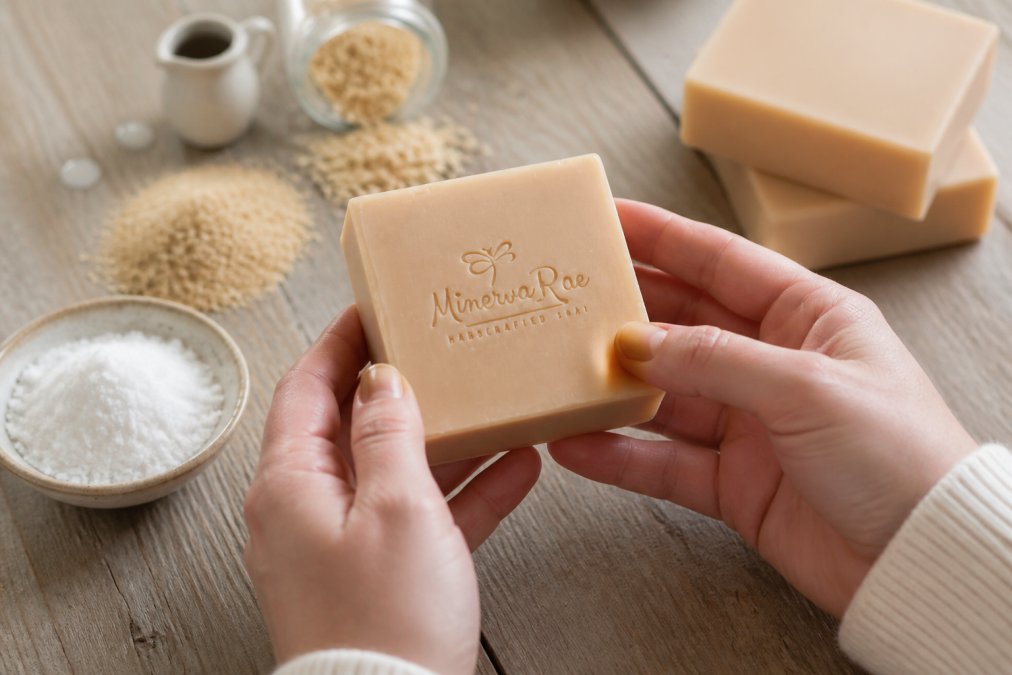
Identify the base oils. Most ethical body care products use oils like coconut, olive, jojoba, or shea butter as their foundation. These should be listed early. Avoid products that rely on mineral oil or petroleum-derived ingredients if environmental impact concerns you.
Recognize synthetic fragrances. The term "fragrance" or "parfum" on a label can hide dozens of undisclosed chemicals. If you have sensitive skin or prefer transparency, seek products with essential oils or unscented options. Minerva Rae's Old Fashioned Tallow & Oatmeal uses fragrance oil, while our Tallow & Goat Milk is completely unscented for maximum gentleness.

Watch for preservatives. Parabens, phenoxyethanol, and synthetic preservatives are common concerns. Natural alternatives like vitamin E, rosemary extract, or citric acid exist, though they may shorten shelf life. Neither is inherently unethical, the key is transparency about why a preservative was chosen.
Spot greenwashing ingredients. Brands sometimes highlight one ethical ingredient while burying problematic ones. A soap might proudly feature "organic shea butter" while using synthetic surfactants or microplastics for exfoliation. Read the complete list, not just the marketing highlights.
Understand "natural" claims. There's no legal definition of natural in cosmetics. A product can be 1% natural and claim naturalness. Certified organic products have stricter standards, but even those can contain some synthetic ingredients.
When evaluating ethical body care products, cross-reference the ingredient list with certifications. If a product claims to be vegan, no animal-derived ingredients should appear. If it claims organic, ingredients should be certified. Discrepancies reveal greenwashing.
Evaluating Supply Chain Transparency and Ethical Sourcing
Supply chain transparency separates genuinely ethical brands from those merely performing ethics. A company's willingness to disclose where ingredients come from, how workers are treated, and what environmental practices are followed reveals its actual commitment.
Start by asking: Can the brand name its suppliers? Ethical companies often provide this information on their websites or packaging. They might highlight partnerships with fair trade cooperatives, family farms, or women-owned suppliers. If a brand refuses to disclose suppliers or claims confidentiality agreements prevent transparency, that's a warning sign.
Research the sourcing story. Where does the shea butter come from? Which region produces the essential oils? Are workers paid fairly? Do they work in safe conditions? Brands genuinely committed to ethical sourcing often tell these stories, they're proud of their partnerships and the impact they're creating.
Look for third-party verification. Fair Trade Certified, Rainforest Alliance, and similar certifications provide independent auditing of supply chains. These certifications cost money and require ongoing compliance, so brands pursuing them demonstrate serious commitment. A brand claiming fair trade practices without certification is relying on your trust alone.
Examine labor practices beyond farming. Who manufactures the products? What are their wages, working conditions, and benefits? Some ethical brands manufacture locally to reduce environmental impact and support their communities. Others partner with facilities in developing countries that prioritize fair wages and safe working conditions. Both approaches can be ethical if properly verified.
Environmental impact in sourcing matters too. Sustainable sourcing means ingredients are harvested in ways that don't deplete resources or damage ecosystems. Palm oil, for example, is often linked to deforestation. Ethical brands either avoid it or source from certified sustainable suppliers. When evaluating ethical body care products, ask whether sourcing practices protect the environments where ingredients originate.
Building Your Ethical Body Care Routine
Creating an ethical routine doesn't require overhauling everything overnight. Start by assessing your current products and gradually replacing them with ethical alternatives that align with your values and skin needs.
Step 1: Identify your skin type and concerns. Before selecting products, understand whether you have sensitive, dry, oily, or combination skin. Do you have specific concerns like eczema, acne, or irritation? Ethical body care products should address your actual needs, not just be ethical for ethics' sake. A vegan soap that irritates your skin isn't an ethical choice, it's wasteful and frustrating.
Step 2: Define your ethical priorities. Do you prioritize animal welfare, environmental sustainability, fair labor, or all three? Your answer determines which certifications and brands matter most. Someone focused on animal protection might prioritize cruelty-free and vegan certifications. Someone concerned about environmental impact might focus on organic, sustainable sourcing, and recyclable packaging.
Step 3: Research brands aligned with your values. Use the knowledge from previous sections, check for certifications, read ingredient lists, evaluate supply chain transparency, and spot greenwashing. Start with 2-3 products rather than overhauling your entire routine. This prevents overwhelm and lets you test whether products work for your skin.
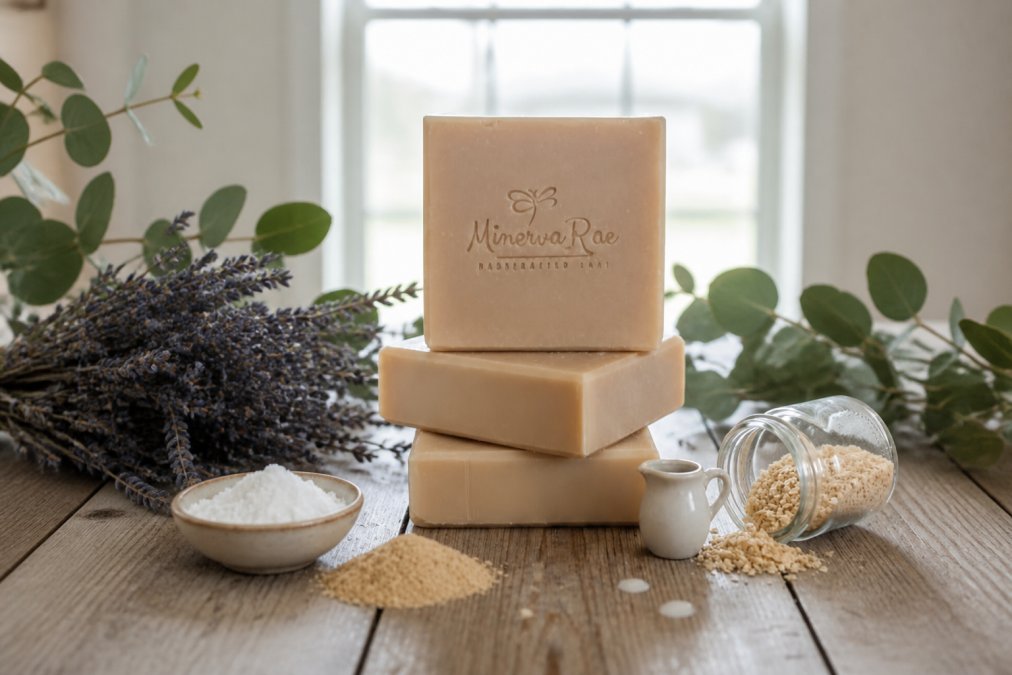
Step 4: Test products gradually. Introduce one new product at a time and use it for 2-4 weeks before adding another. This approach helps you identify any sensitivities and understand which products genuinely work for you. If a product causes irritation, discontinue it, being ethical doesn't mean suffering with products that don't suit your skin.
Step 5: Consider the full lifecycle. Ethical body care extends beyond the product itself. How will you dispose of packaging? Can it be recycled or composted? Does the brand offer refill options? Minerva Rae's Sisal Soap Saver Bag, for example, extends soap life and provides natural exfoliation while reducing waste, it's a practical addition to an ethical routine.

Step 6: Support brands that align with your values. Once you find ethical body care products that work for your skin, support those brands consistently. This sends a market signal that ethical practices matter to consumers. Consider customization options for gifts or personal preferences, brands like Minerva Rae offer personalized services for custom soap orders, allowing you to create products that reflect your exact values and aesthetic preferences.
Building incrementally works better than perfectionism. You don't need to find products that are simultaneously organic, vegan, cruelty-free, fair trade, and packaged in compostable materials. Start with what matters most to you, then layer in additional ethical considerations as you discover products that work for your skin.
Choosing ethical body care products requires moving beyond marketing claims to understand certifications, supply chains, and ingredient sourcing. The process takes time, but it's an investment in both your health and the values you want to support. Start by identifying what ethics mean to you, then use the tools in this guide to evaluate products honestly. Brands that embrace transparency and accountability deserve your loyalty, they're building a more ethical beauty industry, one conscious choice at a time. Explore the Minerva Rae collection and discover handcrafted body care that combines luxury with genuine ethical commitment.
Frequently Asked Questions
What makes a body care product truly ethical?
An ethical body care product prioritizes cruelty-free practices, sustainable sourcing, transparent ingredient disclosure, and fair labor standards throughout its supply chain. Look for third-party certifications, plant-based or responsibly sourced animal ingredients, and brands that openly share where materials originate. Ethical products also consider packaging waste, carbon footprint, and biodegradability. Handcrafted options like artisanal soaps often align with ethical values because small-batch producers typically maintain closer oversight of their ingredient sourcing and production methods.
How can I tell if a beauty brand is actually sustainable?
True sustainability goes beyond marketing claims. Check for third-party certifications from organizations that audit practices independently. Examine packaging materials, recyclable, biodegradable, or post-consumer recycled options indicate genuine commitment. Research the brand's supply chain transparency by looking for specific sourcing information on their website. Ask questions: Where do ingredients come from? How are workers treated? What's their waste reduction strategy? Brands making real sustainability efforts openly share these details rather than using vague buzzwords like 'natural' or 'eco-friendly' without substantiation.
What are the most important certifications for ethical skincare?
Key certifications include Leaping Bunny (cruelty-free assurance), USDA Organic (ingredient standards), Fair Trade Certified (ethical labor), and Vegan Society Trademark (no animal ingredients or testing). Look for certifications from third-party auditors rather than company-created labels. Each certification focuses on different ethical dimensions, some verify ingredient purity, others confirm labor practices or animal welfare. No single certification covers everything, so examine which values matter most to you. Brands displaying multiple recognized certifications demonstrate commitment across several ethical categories.
How do I spot greenwashing in body care marketing?
Greenwashing uses vague terms without proof. Red flags include 'natural,' 'eco-friendly,' or 'green' without certification backing them up. Watch for packaging that emphasizes environmental imagery while containing synthetic fragrances, parabens, or phthalates. Brands that claim sustainability but hide ingredient sourcing are likely greenwashing. Genuine ethical brands specify which ingredients are organic, where they're sourced, and provide third-party certification numbers. Compare marketing claims to actual ingredient lists and supply chain transparency. If a brand won't answer specific questions about sourcing or labor practices, the environmental messaging is probably marketing rather than substance.
What's the difference between cruelty-free and vegan body care?
Cruelty-free means the product and its ingredients weren't tested on animals at any stage, but it may contain animal-derived ingredients like beeswax, lanolin, or tallow. Vegan means no animal ingredients or byproducts are used, but it doesn't guarantee cruelty-free practices. A product can be cruelty-free but not vegan, or theoretically vegan but tested on animals. Some brands are both. Check for Leaping Bunny certification for cruelty-free assurance and Vegan Society Trademark for plant-based confirmation. Understanding this distinction helps you align purchases with your specific ethical priorities.
Are natural ingredients always more ethical than synthetic ones?
No. Natural doesn't automatically mean ethical or sustainable. Mining natural ingredients like mica can harm ecosystems and exploit workers. Some synthetic ingredients are more sustainable than plant-based alternatives that require extensive pesticide use or deforestation. Ethical evaluation requires examining the full sourcing story, not just whether something came from nature. Responsibly sourced animal tallow, for example, uses byproducts from food production, making it more sustainable than some plant oils requiring new agricultural land. Look beyond 'natural' labels to supply chain transparency, certifications, and environmental impact data.
How does packaging affect the ethics of body care products?
Packaging significantly impacts environmental ethics. Recyclable, biodegradable, or post-consumer recycled materials reduce landfill waste and carbon footprint. Minimal or zero-waste packaging shows genuine sustainability commitment. Solid bars like handcrafted soaps require less packaging than liquids and last longer, reducing overall consumption. Consider how you'll dispose of packaging, truly recyclable options need proper infrastructure in your area. Refillable containers reduce waste further. Brands using sustainable packaging often pair it with ethical sourcing, showing comprehensive environmental consciousness. Evaluate packaging as part of the total ethical picture, not separately from ingredient and labor practices.
This article was written using GrandRanker