

Table of Contents
- Why Do Artisanal Soaps Dissolve Fast
- Cold Process vs. Melt and Pour Soap Longevity
- How to Make Handmade Soap Last Longer
- Best Soap Dish for Natural Soap
- Daily Habits That Extend Bar Life
- Conclusion
Last Updated: August 22, 2026
Why Do Artisanal Soaps Dissolve Fast
Artisanal soaps dissolve faster than commercial bars because of their natural ingredients and production methods. The core issue isn't a flaw, it's a direct result of what makes handmade soaps appealing: higher glycerin content, gentler formulations, and prioritization of skin benefits over longevity.
Commercial manufacturers remove most glycerin during production and replace it with synthetic hardeners. Artisanal soap makers, particularly those using cold process methods, retain the natural glycerin that forms during saponification. This glycerin is a humectant that draws moisture from air and holds it in the soap, making the bar nourishing but prone to softening and dissolving quickly when exposed to water.
The Role of Natural Glycerin and Moisture Absorption
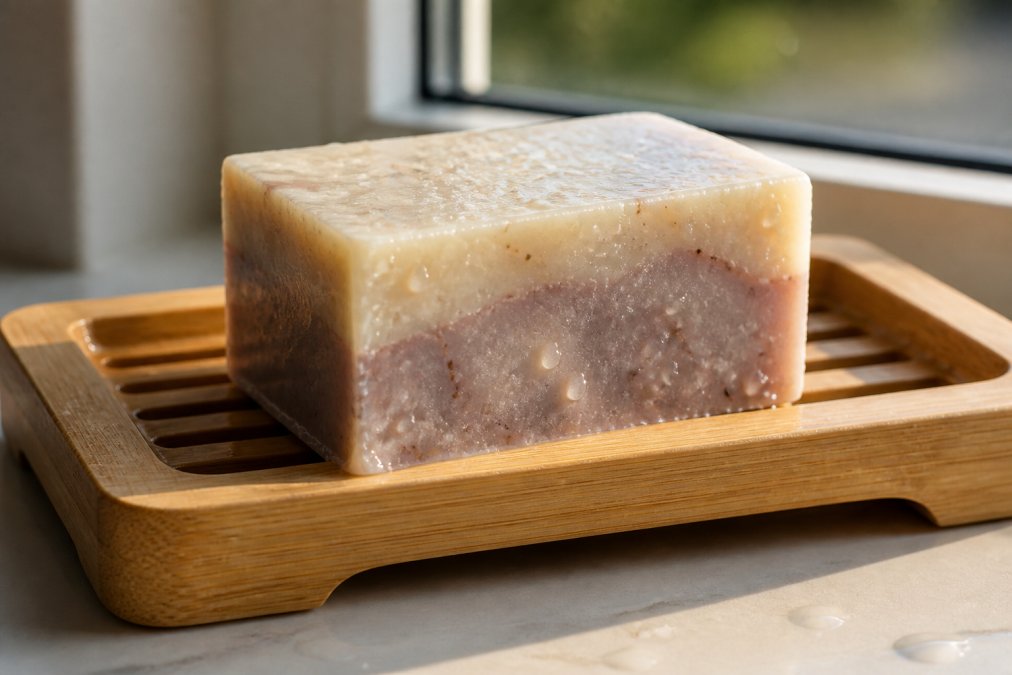
Cold process saponification creates glycerin as a byproduct, roughly 7 to 9 percent of the final bar's weight (peer-reviewed research). This glycerin remains in the soap, making it hydrophilic and deeply moisturizing for skin. However, glycerin's hygroscopic nature means it actively absorbs moisture from surrounding air and water. A bar left on a standard soap dish will soften dramatically within days as glycerin pulls moisture into the soap, weakening structural integrity.
Commercial soaps avoid this by removing glycerin during manufacturing, then selling it separately as a luxury ingredient. The trade-off is clear: commercial bars last longer but provide less skin benefit. Artisanal soap makers choose to keep the glycerin, accepting shorter bar life for superior skincare properties.
How Saponification Affects Bar Longevity
Saponification is the chemical transformation that turns oils into soap. In cold process soap making, saponification happens slowly over several weeks and may not be entirely complete when the soap is cut and packaged. "Superfatting," the intentional excess of oils left unreacted, creates a gentler, more moisturizing bar but contributes to faster dissolution.
Hot process and melt and pour methods achieve faster, more complete saponification through heat, leaving fewer unreacted oils and producing harder bars. However, high temperatures can damage beneficial ingredients and fragrances, which is why many artisanal makers prefer cold process despite the longevity trade-off.
Properly made artisanal soap has a pH between 8 and 10, slightly alkaline and gentler on skin than commercial soaps (the FDA). However, higher alkalinity makes the soap more soluble in water, contributing to faster dissolution, another example of how artisanal soaps prioritize skin health over bar longevity.
Water Exposure and Surface Area Impact
Water is the enemy of soap longevity, and artisanal soaps are particularly vulnerable because of their moisture-absorbing ingredients. Every time your soap gets wet, water penetrates the surface, softening it and increasing dissolution. A bar sitting in standing water will deteriorate much faster than one that drains completely.
Surface area matters enormously. A thin, flat bar dissolves faster than a chunky, compact one because more soap is exposed to water at any given time. The first use is critical, many people let soap sit in water between uses, allowing it to absorb moisture throughout. A bar allowed to dry completely between showers will last significantly longer than one that stays damp.
Water quality also plays a role. Hard water can leave deposits on soap and potentially reduce dissolution rates slightly, while soft water dissolves soap more readily. If you have very soft water, your artisanal soaps may dissolve even faster than expected.
Cold Process vs. Melt and Pour Soap Longevity
The method used to make soap has a profound effect on how long the bar will last.
Curing Time and Its Effect on Durability
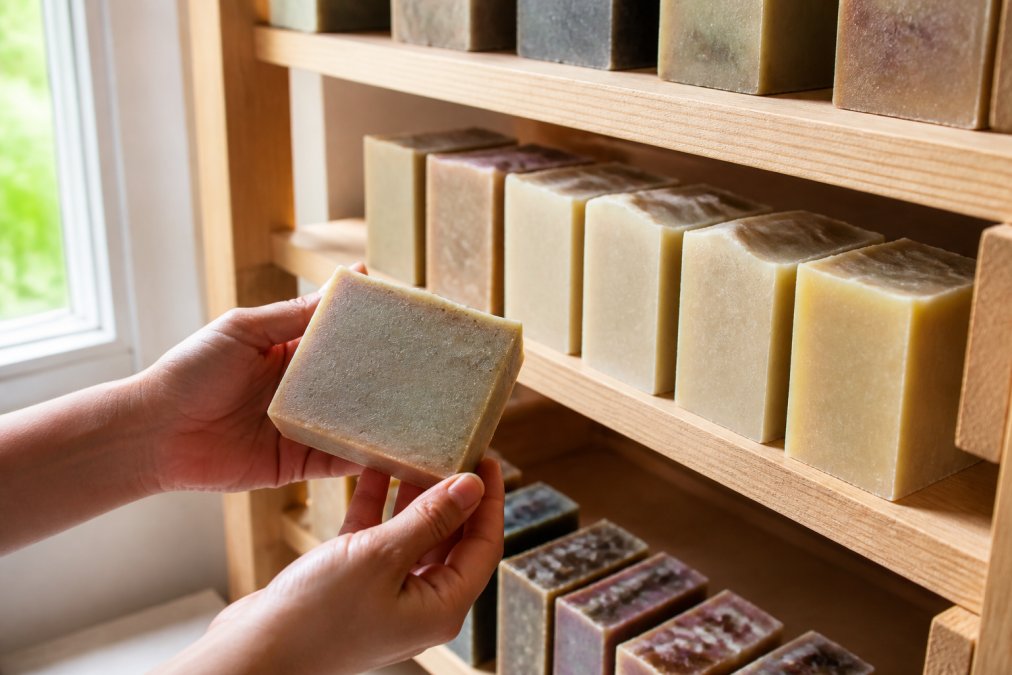
Cold process soap requires curing, a period of 4 to 6 weeks after the batch is made during which the soap continues to harden and remaining lye water evaporates (the NIH). During curing, the bar loses moisture, becomes denser, and develops a harder outer layer. Many artisanal makers recommend even longer curing, 8 to 12 weeks, for maximum longevity.
Melt and pour soap requires no curing. The soap base is pre-made and already fully saponified. You simply melt it, add color and fragrance, pour it into molds, and it's ready within hours or a day. This speed comes at a cost: melt and pour bars never achieve the same hardness as properly cured cold process soap and tend to dissolve faster.
Which Method Produces Longer-Lasting Bars
Cold process soap, when properly cured, will outlast melt and pour every time. The extended curing period creates a denser, harder bar that resists water absorption and dissolution. However, the difference isn't dramatic enough to dismiss melt and pour entirely. A well-made melt and pour bar, stored properly, will still last weeks or months with normal use.
The oil blend used in cold process soap also affects longevity more than it does in melt and pour. Hard oils like coconut and palm create harder bars; soft oils like olive and sweet almond oil create softer, more moisturizing bars. Cold process makers can adjust this balance significantly. Melt and pour bases have a fixed formula, so you have less control over hardness.
How to Make Handmade Soap Last Longer
Several concrete strategies will extend your bar's life dramatically.
Step 1: Choose the Right Oil Blend
If you're making your own soap, the oils you select determine much of the bar's hardness and longevity. Coconut oil creates a hard, long-lasting bar but can be drying if used in high percentages. Palm oil contributes hardness and a creamy lather. Olive oil creates a gentler, more moisturizing bar but reduces hardness. Shea butter and cocoa butter add luxury and some hardness.
An ideal blend balances hardness with skin benefits: 30 to 40 percent coconut oil, 25 to 35 percent olive oil, 15 to 20 percent palm oil, and 5 to 10 percent shea butter or cocoa butter. If you're buying artisanal soap, look for soaps that list hard oils early in the ingredient list.
Step 2: Implement Proper Curing Practices
For makers, extend curing time beyond the standard 4 to 6 weeks to 8 to 12 weeks. Store soap in a cool, dry location with good air circulation. Avoid direct sunlight. Temperature stability matters, a consistent temperature between 60 and 75 degrees Fahrenheit is ideal.
For buyers, if purchased soap feels soft or tacky, give it additional curing time before use. Store it in a cool, dry place for 2 to 4 weeks. You'll notice significant hardness improvement.
Step 3: Use Additives That Increase Hardness
Sodium lactate is a salt that hardens soap significantly. Adding 0.5 to 1 teaspoon per pound of oils will noticeably increase bar density and longevity. Stearic acid, a saturated fatty acid, also increases hardness. Beeswax contributes hardness and creates a subtle protective layer, using 0.5 to 1 percent will noticeably extend bar life.
For those buying rather than making, look for soaps that list these additives.
Best Soap Dish for Natural Soap
Your soap dish is arguably more important than any other factor in extending bar life.
Drainage and Air Circulation Requirements
The ideal soap dish allows water to drain completely and air to circulate freely around all sides of the bar. Look for dishes with slats, holes, or a raised grid that keeps the soap elevated above standing water. Ceramic and stainless steel dishes with drainage holes work well. Bamboo and wood dishes are aesthetically appealing but require more maintenance, they need to dry completely between uses to prevent mold and mildew.
Avoid solid dishes that create a seal around the soap, trapping water beneath it. A good dish should be large enough that the soap doesn't touch the sides, allowing air to circulate underneath and around the bar.
Placement matters as much as the dish itself. If possible, place your soap dish on a bathroom counter or shelf where it can dry between uses. Some people use multiple dishes, rotating them to allow complete drying. One dish stays in the shower while the other dries, and you swap them daily or every other day.
Climate and Humidity Considerations
Humidity is powerful. In humid climates, coastal areas, tropical regions, or bathrooms with poor ventilation, soap absorbs moisture from the air constantly. In dry climates, artisanal soaps last noticeably longer because they lose moisture to the air rather than absorbing it.
If you live in a humid area, ensure exceptional air circulation around your soap dish. Run your bathroom exhaust fan during and after showers. Consider placing your soap dish in a low-humidity area of your home, a bedroom or living room rather than a bathroom.
Temperature also affects longevity. Warm bathrooms accelerate soap dissolution. Soaps last longer in winter when humidity is lower and bathrooms are cooler. In summer, dissolution accelerates.
Daily Habits That Extend Bar Life
Small daily choices compound dramatically over time.
Remove your soap from the shower immediately after use. This single habit will extend your bar's life by 20 to 30 percent. Squeeze excess water from the soap after use, a quick squeeze removes surface water that would otherwise be absorbed. Allow your soap dish to dry completely between uses by dumping pooled water and drying the dish with a towel.
Use a soap saver, a mesh bag or pouch that holds soap fragments. As your bar gets smaller, it becomes harder to use without dropping it. A soap saver lets you continue using small pieces and extends the usable life of the bar.
Rotate between two bars if you use soap daily. Keep one in the shower and one drying on a counter or shelf. This allows each bar to dry completely between uses, dramatically extending longevity.
Store backup soaps in a cool, dry location away from direct sunlight. A linen closet or pantry shelf is ideal. Avoid storing soap in plastic bags, which trap moisture. Paper or fabric bags allow air circulation.
The reason artisanal soaps dissolve faster is fundamental to what makes them special: they contain the natural glycerin and gentle ingredients that commercial soaps strip away. Rather than viewing fast dissolution as a flaw, recognize it as a sign of quality.
By choosing the right soap dish, controlling moisture exposure, and implementing proper curing and storage, you can extend the life of your artisanal soap dramatically. Minerva Rae's carefully crafted soaps, whether cold process or melt and pour, are designed to perform beautifully when given the storage and care they deserve. Explore the Collection to find soaps that match your climate, skin type, and longevity expectations.
Frequently Asked Questions
Q: Why does my handmade soap turn into mush?
A: Handmade soaps dissolve quickly because they contain natural glycerin, a humectant that pulls moisture from the air and surrounding environment. Unlike commercial detergents, artisanal soaps made through cold process or melt and pour methods retain this glycerin, making them softer and more prone to moisture absorption. Inadequate curing time, poor drainage in your soap dish, and high humidity all accelerate this process. Proper storage on a well-draining soap dish with good air circulation significantly slows dissolution.
Q: Does cold process soap last longer than melt and pour?
A: Cold process soap typically lasts longer than melt and pour soap when properly cured. Cold process soaps require 4-6 weeks of curing, which allows excess water to evaporate and creates a harder, denser bar. Melt and pour soaps are ready to use immediately but remain softer due to higher glycerin content and less evaporation time. If you want maximum longevity, cold process soaps with longer curing periods and hard oil blends will outperform melt and pour varieties.
Q: How can I make my bar soap last twice as long?
A: Use a well-draining soap dish that allows water to run off completely between uses, store soap in a cool, dry location away from direct shower spray, and ensure adequate air circulation around the bar. Choose cold process soaps with extended curing times and hard oil bases like coconut or palm. Avoid leaving soap in standing water or on non-draining surfaces. Some artisanal makers add sodium lactate or other hardening additives to increase durability. These combined practices can significantly extend bar life.
Q: Is it normal for natural soap to dissolve quickly?
A: Yes, natural artisanal soaps dissolve faster than commercial bars because they retain beneficial glycerin and lack synthetic hardeners. This is actually a sign of quality and gentleness on skin. However, 'quickly' is relative, properly made and stored handmade soap should last 2-4 weeks with normal use, comparable to premium commercial bars. If yours dissolves in days, the issue is likely storage, humidity, or inadequate curing rather than the soap itself being defective.
This article was written using GrandRanker