

Table of Contents
- Why a Dog Shampoo Bar for Sensitive Skin Matters
- Dog Shampoo Ingredients to Avoid
- Key Ingredients That Soothe and Protect
- How Often to Bathe a Dog with Sensitive Skin
- Patch Testing and Safety: How to Know If a Bar Is Right for Your Dog
- Choosing the Right Bar: Criteria That Matter
- Bar Care, Storage, and Lifespan
- When Shampoo Alone Isn't Enough
- Frequently Asked Questions
Last Updated: October 21, 2026
Why a Dog Shampoo Bar for Sensitive Skin Matters
A dog shampoo bar sensitive skin addresses one of the most common challenges pet owners face: keeping their dog's coat clean without triggering irritation, itching, or allergic reactions. Dogs with sensitive skin need gentler formulations than standard commercial shampoos, which often contain harsh sulfates, synthetic fragrances, and chemical preservatives that strip natural oils and compromise the skin barrier.
The difference between a quality bar and a conventional liquid shampoo goes beyond convenience. Solid bars are concentrated formulas with minimal water content, meaning you use less product per bath and they last significantly longer. For dogs prone to dryness, itching, or inflammation, this concentrated approach delivers nourishing ingredients more effectively. A handcrafted bar designed specifically for sensitive pets, like Minerva Rae's Natural Dog Shampoo Bar (Unscented), combines skin-supportive oils and gentle botanicals without fragrance that could irritate sensitive noses and skin.

The key is understanding what your dog's skin actually needs. Sensitive skin requires pH-balanced formulas that maintain the natural protective layer of the coat. When you choose a bar with the right ingredients, bath time becomes a soothing ritual rather than a source of discomfort.
Dog Shampoo Ingredients to Avoid
Not all "natural" ingredients are safe for dogs with sensitive skin. Several common additives can trigger reactions, worsen existing irritation, or disrupt the skin's pH balance.
Synthetic fragrances and essential oils are frequent culprits. While they make products smell appealing to humans, dogs experience scent differently, their sense of smell is exponentially more sensitive than ours. Artificial fragrances can irritate the skin and respiratory system.
Sulfates like sodium lauryl sulfate (SLS) and sodium laureth sulfate (SLES) are harsh detergents that strip away the natural oils protecting your dog's skin.
Parabens and synthetic preservatives extend shelf life but can accumulate in the body and trigger allergic reactions in sensitive dogs. Look for bars preserved naturally or with minimal additives.
Dyes and artificial colorants serve no purpose beyond appearance. For dogs with compromised skin barriers, unnecessary dyes are an added irritant. A simple, uncolored bar is always the safer choice.
Alcohol-based formulations can dry skin further and cause burning or stinging, especially if your dog already has open irritation or wounds.
The safest approach: choose bars with recognizable, minimal ingredients and avoid anything with "fragrance" or "parfum" listed on the label.
Key Ingredients That Soothe and Protect
The best dog shampoo bars for sensitive skin rely on plant-based oils, botanical extracts, and naturally soothing compounds that calm inflammation while cleansing gently.
Oatmeal Dog Shampoo for Sensitive Skin
Oatmeal is one of the most well-researched ingredients for sensitive canine skin. It contains compounds called avenanthramides, which have natural anti-inflammatory and anti-itch properties. When finely ground and suspended in a shampoo bar, oatmeal creates a creamy lather that cleanses without stripping oils.
An oatmeal-based bar works by gently exfoliating dead skin cells while the colloidal particles soothe inflammation. Dogs with dry, itchy, or dandruff-prone skin often show visible improvement within 2-3 baths. The key is using finely milled oatmeal, coarse particles can scratch already-irritated skin and cause additional discomfort.
Oatmeal bars are particularly effective for dogs with seasonal allergies or weather-related dryness. They're gentle enough for weekly use without over-stripping the coat, making them ideal for maintenance bathing between professional grooming.
Neem, Aloe, and Plant-Based Oils
Neem seed oil is a powerful botanical with antimicrobial and anti-inflammatory properties.
Aloe vera soothes inflamed skin and supports the skin barrier's natural healing.
Coconut oil, sunflower oil, and olive oil form the foundation of quality bars. These oils are rich in fatty acids that nourish dry skin and restore the natural moisture barrier.
Castor oil is often included for its emollient properties, it softens and conditions the coat while supporting skin health. Jojoba oil, when present, closely mimics the natural sebum dogs produce, making it ideal for sensitive, dry coats.
Rosemary, lavender, and lemongrass are plant-based ingredients sometimes used in bars for their gentle antiseptic and calming properties. However, these should be present in minimal amounts and never as concentrated essential oils, which can irritate sensitive skin.
Minerva Rae's Natural Dog Shampoo Bar (Unscented) combines neem seed oil with coconut oil, sunflower oil, and shea butter, a formulation designed to cleanse gently while supporting skin health without fragrance that could trigger sensitivity.
How Often to Bathe a Dog with Sensitive Skin
Bathing frequency is critical for dogs with sensitive skin. Over-bathing disrupts the natural oil balance and can worsen irritation, while under-bathing allows dirt and allergens to accumulate.
For most dogs with sensitive skin, bathing every 4-6 weeks is ideal. This schedule allows the skin to maintain its natural protective oils while removing dirt, allergens, and debris that accumulate between baths. Dogs that spend significant time outdoors or have active skin conditions may need bathing every 2-3 weeks, but this should be determined with your veterinarian's guidance.
Spot-cleaning affected areas between full baths, using a damp cloth rather than a full shampoo, can help manage localized irritation without disrupting overall skin balance. If your dog has a diagnosed skin condition like mange, fungal infection, or severe dermatitis, your vet may recommend more frequent medicated bathing.
The quality of the bar matters here. A gentle, nourishing formula can be used more frequently without causing damage, whereas harsh commercial shampoos may require longer intervals between baths to prevent cumulative irritation.
Patch Testing and Safety: How to Know If a Bar Is Right for Your Dog
Before committing to a new shampoo bar, patch testing is essential for dogs with sensitive skin or a history of allergic reactions.
Natural Dog Shampoo Bar (Unscented) →
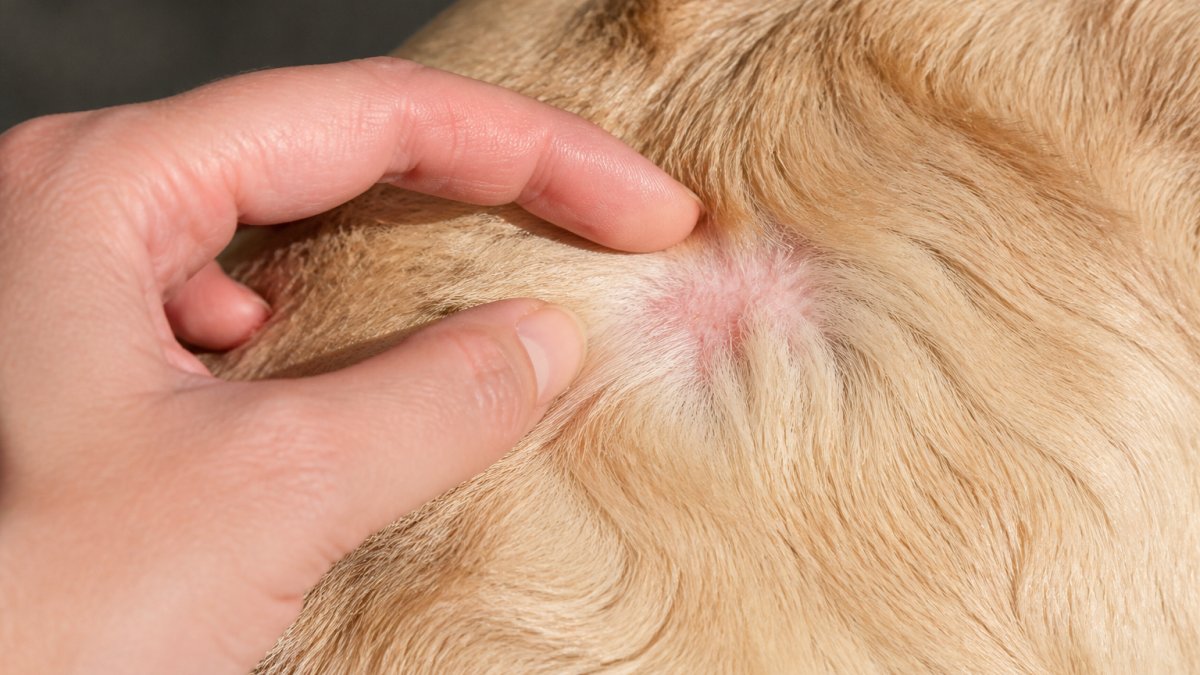
Start with a small area. Wet a small patch of your dog's coat (typically behind the ear or on the inner thigh where skin is thinner and more reactive) and apply a small amount of lather from the bar.
Watch for 24-48 hours. After the test bath, observe the patch site for any signs of reaction: increased redness, swelling, itching, hives, or discharge. Most allergic reactions appear within this window, though some sensitivities develop more slowly.
Signs of an adverse reaction include:
- Redness or inflammation at the test site
- Excessive scratching or licking of the area
- Hives or raised bumps
- Discharge or weeping from the skin
- Swelling of the face, ears, or throat (seek immediate veterinary care)
- General lethargy or behavioral changes
If no reaction appears after 48 hours, you can proceed with a full bath. Even then, monitor your dog for several days afterward. Some dogs develop delayed sensitivity, so watch for itching, shaking, or excessive grooming in the days following the first full bath.
For dogs with severe allergies or a history of anaphylaxis, consult your veterinarian before introducing any new product, even a gentle, natural bar. Your vet may recommend a controlled introduction under supervision or may recommend against the product entirely.
Choosing the Right Bar: Criteria That Matter
Selecting the best natural dog shampoo bar sensitive skin requires evaluating several key factors beyond marketing claims.
| Criteria | What to Look For | Why It Matters |
|---|---|---|
| Ingredient List | Recognizable oils, botanicals, minimal additives | Fewer ingredients = lower risk of irritation |
| pH Balance | Formulated for canine skin (6.2-7.4 range) | Dog skin is more neutral than human skin; mismatched pH damages the barrier |
| Fragrance | Unscented or naturally scented only | Synthetic fragrances trigger sensitivity; unscented eliminates this risk |
| Manufacturing Method | Cold-process or melt-and-pour | Preserves ingredient integrity and reduces harsh chemicals |
| Lather Quality | Creamy, gentle lather without sulfates | Good lather = effective cleansing without stripping oils |
| Bar Density | Firm, well-formed bar that doesn't crumble | Higher density = longer lifespan and better value |
| Brand Transparency | Clear ingredient sourcing and manufacturing info | Reflects commitment to quality and safety |
Look for bars specifically formulated for dogs, not repurposed human products. Dogs have different skin pH and sensitivity profiles than humans. A bar marketed as "natural" for human use may still contain ingredients unsuitable for canine skin.
Handcrafted bars often outperform mass-produced alternatives. Small-batch production allows for better quality control and ingredient sourcing. Minerva Rae's Natural Dog Shampoo Bar (Unscented), for example, is made in small batches with nourishing oils and gentle botanicals, designed specifically with sensitive pups in mind.
Consider your dog's specific needs. Does your dog have dry skin, itchy patches, or a dull coat? Different bars excel at different outcomes. An oatmeal-based bar suits itch relief, while an oil-rich formula addresses dryness. A neem-containing bar supports dogs prone to fungal or bacterial issues.
Price reflects quality. A bar at $12 typically represents genuine ingredients and careful formulation, whereas bars under $5 often contain fillers, synthetic preservatives, and cheaper oils. Quality bars last 2-3 times longer than cheap alternatives, making the per-bath cost comparable or lower.
Bar Care, Storage, and Lifespan
A quality dog shampoo bar lasts significantly longer than liquid shampoo, typically 2-3 months of regular use for a single dog, but only if stored properly.
Storage matters. Keep the bar in a well-draining soap dish or holder between baths. Moisture is the enemy of longevity. A bar left sitting in standing water will soften, crumble, and deteriorate quickly.
Keep the bar dry between uses. If possible, store it outside the shower or tub where it can air-dry completely. Some owners keep their bar in a cool, dry cabinet and bring it out only during bath time.
Avoid direct water spray. Don't leave the bar under running water or in the direct spray of the shower. This accelerates breakdown and wastes product.
Temperature matters. Extreme heat softens bars and can cause them to lose their shape. Store in a cool location, away from direct sunlight or heat sources.
A well-made bar should last 2-3 months of weekly bathing for a medium-sized dog. Handcrafted bars made with quality oils and proper curing typically outlast cheaper alternatives by a significant margin.
When Shampoo Alone Isn't Enough
A quality dog shampoo bar is an excellent foundation for skin health, but some conditions require additional support.
If your dog shows signs of chronic itching, hair loss, persistent odor, or visible skin lesions despite using a gentle, appropriate bar, consult your veterinarian. These symptoms may indicate:
- Allergies (food-based or environmental) that require dietary changes or medication
- Parasites like mites or fleas that need targeted treatment
- Fungal or bacterial infections that may require medicated shampoos or oral medications
- Hormonal imbalances affecting skin and coat health
- Nutritional deficiencies requiring dietary supplementation
A supportive skincare routine, using a quality bar, maintaining appropriate bathing frequency, and ensuring regular grooming, complements but does not replace veterinary care for serious skin conditions.
Choosing the right dog shampoo bar for sensitive skin transforms bath time from a source of stress into a soothing, nourishing ritual. The difference between a gentle, thoughtfully formulated bar and a harsh commercial shampoo is dramatic, and your dog's comfort is worth the investment. At Minerva Rae, we craft our Natural Dog Shampoo Bar (Unscented) specifically for sensitive pups, combining nourishing oils and gentle botanicals without fragrance or fillers. Explore our collection and discover how a quality bar can support your dog's skin health while delivering the exceptional experience you'd expect from handcrafted care.
Frequently Asked Questions
What dog shampoo ingredients should I avoid for sensitive skin?
Avoid sulfates (SLS and SLES), parabens, artificial fragrances, and synthetic dyes, these strip natural oils and trigger irritation. Skip formulas with harsh chemical preservatives and alcohol. Unscented or naturally scented bars are safer for dogs prone to allergic reactions. Always check the ingredient list for known irritants specific to your dog's sensitivities.
How often should I bathe a dog with sensitive skin?
Most dogs with sensitive skin benefit from bathing every 4-6 weeks, unless medically advised otherwise. Over-bathing strips protective oils and worsens irritation. If your dog has a skin condition like dermatitis, your veterinarian may recommend a different schedule or medicated bathing protocol. Use lukewarm water and a natural dog shampoo bar formulated for sensitive skin. Always rinse thoroughly to prevent residue buildup.
Are shampoo bars safe for dogs with sensitive skin?
Yes, when formulated correctly. Natural dog shampoo bars designed for sensitive skin are often safer than liquid shampoos because they contain fewer preservatives and fillers. Look for bars with soothing ingredients like neem and plant-based oils. Patch test a small area first to confirm your dog tolerates the formula. Unscented bars are ideal for highly sensitive dogs.
What makes a natural dog shampoo bar last longer?
Quality bars made with nourishing oils, shea butter, and minimal fillers last longer than low-quality alternatives. Store your bar in a well-draining soap dish away from standing water, this prevents premature softening. A high-quality handcrafted bar typically lasts 2-3 months with regular use. Proper storage is key: keep the bar dry between uses, and consider using a soap saver pouch to extend its life and reduce waste.