

Table of Contents
- Master the Cold Process Soap Making Method
- Secure Your Legal Foundation and Licensing
- Protect Your Business with Soap Making Business Insurance
- Develop Your Business Plan and Market Strategy
- How to Price Handmade Soap for Profitability
- Build Your Brand, Packaging, and Inventory System
- Launch and Scale Your Cold Process Soap Business
- Conclusion
- Frequently Asked Questions
Last Updated: October 3, 2026
Master the Cold Process Soap Making Method
Starting a cold process soap business requires understanding the chemistry that transforms raw ingredients into finished bars. At Minerva Rae, we've built our reputation on mastering this method, and we know the technical foundation matters as much as the business strategy.
Cold process soap making relies on saponification, the chemical reaction between oils and sodium hydroxide (lye). This process creates soap molecules and glycerin, which remain in the final product for superior moisturizing properties.
The beauty of this method is control. You decide the oil ratios, superfatting levels (adding extra oils for conditioning), fragrance, color, and design. This creative freedom is why artisanal soap makers choose cold process over faster alternatives like melt and pour.
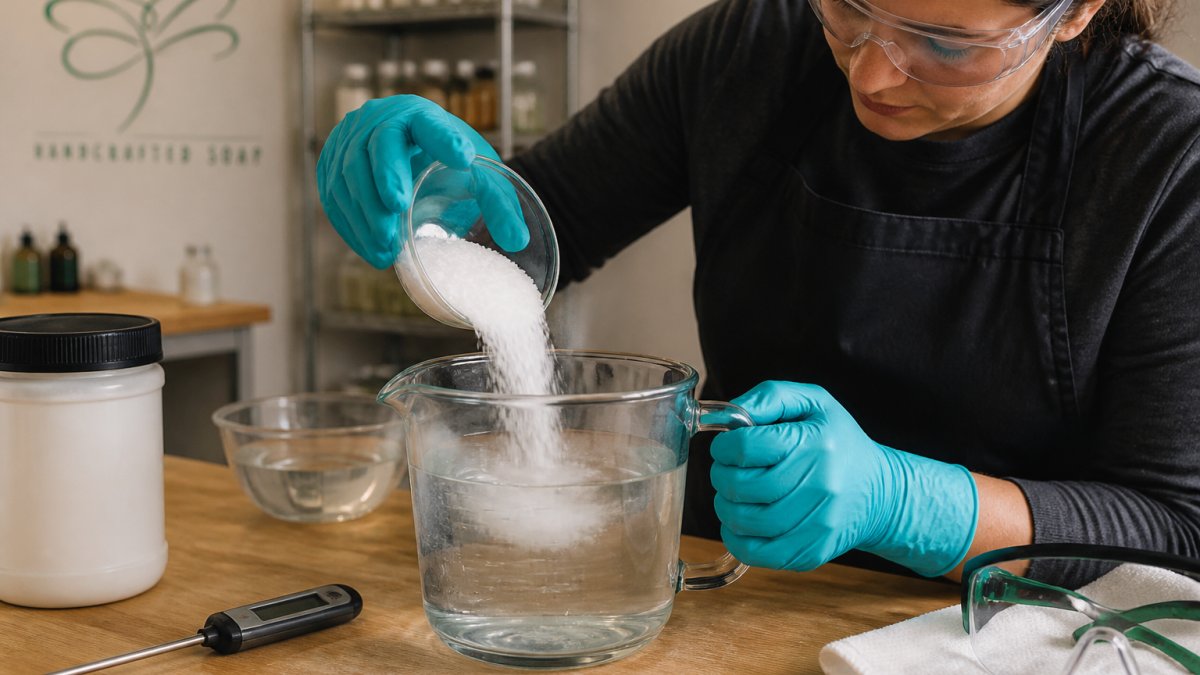
Understanding the Saponification Process
Saponification is the irreversible chemical reaction where lye breaks down oil molecules and reforms them as soap. The process generates heat, which is why temperature control matters. Most cold process soap makers work with oils and lye solutions between 90-110 degrees Fahrenheit, then allow the mixture to cure in molds for 24-48 hours before cutting.
The trace is your signal that saponification is progressing correctly. Trace refers to the moment when the soap mixture reaches the consistency of pudding and leaves a trace (line) when drizzled across the surface. This typically occurs 20-45 minutes into blending, depending on oil composition and lye concentration.
After unmolding, bars enter the curing phase.
Essential Ingredients and Equipment You'll Need
Your ingredient list includes oils (coconut, palm, olive, castor), sodium hydroxide, distilled water, and optional fragrance or essential oils. The specific oil ratios determine your bar's hardness, lather, and conditioning properties. A soap calculator helps you determine exact measurements based on your chosen oils.
Equipment needs are straightforward but specific. You'll need a digital scale accurate to 0.1 ounces, a stainless steel pot for melting oils, a glass or stainless steel container for mixing lye solution, an immersion blender for trace, silicone molds for pouring, and a curing rack for finished bars. Safety equipment includes nitrile gloves, safety goggles, and a long-sleeved apron.
A thermometer is essential for monitoring oil and lye temperatures.
Safety Precautions for Handling Lye
Sodium hydroxide is caustic and requires respect. Always wear protective equipment: goggles, gloves, and long sleeves. Work in a well-ventilated area, preferably outdoors or near an open window, to avoid inhaling fumes.
Never add water to lye. Always add lye to water, slowly, stirring constantly. Adding water to lye causes violent reactions and dangerous spattering. The mixture heats rapidly, so use heat-resistant containers and keep your face away.
Store lye in a clearly labeled, locked container away from children and pets. If lye contacts skin, rinse immediately with vinegar, then water. Seek medical attention for severe burns. Keep a first aid kit and vinegar nearby during soap making sessions.
Secure Your Legal Foundation and Licensing
Before mixing your first batch, establish the legal structure of your business. This protects your personal assets and ensures compliance with regulations that govern soap manufacturing and sales.
Business Entity Registration and Local Permits
Register your business with your state. Most soap makers choose between a sole proprietorship, LLC, or small corporation. An LLC provides liability protection while keeping paperwork manageable. Consult a business attorney or accountant for guidance specific to your situation.
Check local zoning laws. Some municipalities restrict home-based manufacturing. If you plan to operate from home, confirm that soap making is permitted in your zone. Some areas require a home occupation permit.
Obtain an Employer Identification Number (EIN) from the IRS, even if you're a sole proprietor. This separates your business finances from personal accounts and is required for hiring employees or opening a business bank account.
FDA Soap Labeling Requirements
The FDA classifies soap differently from cosmetics.
Your label must include the product name, net weight, ingredients listed by their INCI (International Nomenclature of Cosmetic Ingredients) names, and your business name and address.
Claims matter. You can state that soap cleans.
Protect Your Business with Soap Making Business Insurance
Product liability insurance protects you if someone claims your soap caused harm. This coverage is essential before selling any bars. Many liability insurers offer policies specifically for handmade soap makers. Securing this protection represents a necessary overhead cost that must be factored into the complex task of pricing handmade soap to ensure your business remains both safe and sustainable.
General liability insurance covers bodily injury and property damage claims. Product liability specifically covers injuries allegedly caused by your product.
Develop Your Business Plan and Market Strategy
A written business plan forces clarity. You'll define your target market, pricing strategy, production capacity, and financial projections. This document guides your decisions and is essential if you seek funding.
Define Your Buyer Personas and Niche
Your niche determines everything: ingredients, scents, packaging, pricing, and where you sell. Are you targeting eco-conscious consumers, luxury gift-givers, people with sensitive skin, or corporate event planners?
Create detailed buyer personas. A persona for "eco-conscious consumers" might be: Sarah, 35, values sustainability, willing to pay premium prices for ethically sourced ingredients, buys gifts for friends, prefers minimal packaging. This clarity shapes every business decision.
Research your niche thoroughly. What problems do they have? What existing products do they use? What price range do they accept? What channels do they shop through? Minerva Rae's research revealed that gift-givers value unique, customizable options for events like weddings, and corporate planners seek premium favors that reflect well on their brand.
Choosing Your Sales Channel: Online vs. Retail
Online sales through your own website or platforms like Etsy offer lower startup costs and direct customer relationships. You control pricing and branding. Etsy charges listing fees and transaction fees, but handles payment processing and provides built-in traffic.
Retail partnerships require production volume and wholesale pricing (typically 50% of retail price). Boutiques, gift shops, and spa retailers offer credibility and reach new customers, but demand consistent inventory and payment terms (net 30 or net 60 days).
Farmers markets and pop-up events provide direct customer feedback and cash sales. These require time investment but build brand loyalty and allow you to test new products.
Most successful makers combine channels: online direct sales for higher margins, wholesale for volume, and events for customer connection.
How to Price Handmade Soap for Profitability
Underpricing is the most common mistake soap makers make.
Calculate Your Cost of Goods Sold
Cost of goods sold (COGS) includes oils, lye, fragrance, water, and packaging. Track every expense. A bar using premium oils and essential oils might cost $2.50 in materials and packaging. Your COGS determines your minimum viable price.
Create a spreadsheet. List each ingredient with its cost per ounce. Calculate the cost for one batch (typically 10 bars). Include fragrance, colorant, packaging, and labels. Divide total batch cost by bar count. This is your true COGS per unit.
Set Wholesale vs. Retail Margins
This margin covers your time, overhead, equipment depreciation, marketing, and profit.
Document your pricing strategy.
Build Your Brand, Packaging, and Inventory System
Your brand is the promise you make to customers. Minerva Rae's brand emphasizes luxury, creativity, and refined elegance. Every touchpoint reinforces this promise.
Design Packaging Compliance and Branding
Packaging serves two functions: legal compliance and brand expression. Your label must include required information, but design choices communicate your brand's value. Kraft boxes with twine signal artisanal quality. Minimalist belly bands emphasize the soap itself. Translucent botanical wraps showcase natural beauty.
Minerva Rae offers three packaging options. Classic belly bands (25 bars, $46.75) showcase the natural texture and color of the artisan soap bar while keeping your branding front and center. Botanical translucent wraps (25 bars, $49.50) offer elegant packaging that lets the natural beauty of the soap shine through, accented with real dried botanicals. Rustic kraft pillow boxes (25 bars, $55.00) are our signature presentation, charming, apothecary-style boxes finished with a hand-tied natural twine bow for a truly premium unboxing experience.

Your packaging choice affects perceived value and production costs.
Implement Batch Tracking and Inventory Management
Batch tracking is essential for quality control and recalls. Document every batch: date made, ingredients used, fragrance lot numbers, curing dates, and any issues encountered.
Use a simple spreadsheet or inventory management software. Track production dates, curing status, and sales. This prevents selling uncured soap and helps you understand which products sell fastest.
Organize your curing racks by batch and curing stage. Clearly label unmolded bars with batch numbers. This system prevents confusion and ensures consistent quality.
Launch and Scale Your Cold Process Soap Business
Start small. Make 5-10 batches before selling anything. Perfect your formula, test different scents and colors, and build confidence with the process. This investment prevents costly mistakes when you begin selling.
Document your process. Write down exact oil weights, lye measurements, fragrance amounts, and timing. Consistency builds customer trust. If someone loves your lavender bar, they expect it to smell and feel identical next time.
Begin with one sales channel. Master online sales or farmers markets before adding retail partnerships. Growth compounds when you have systems in place.
Build your email list from day one. Customers who discover you at markets or through social media should be able to subscribe for updates. Email is your direct line to repeat customers and is far cheaper than paid advertising.
Invest in quality product photography. Soap is visual. Natural lighting, styled flat lays, and lifestyle photos showing soap in use convert browsers to buyers. If photography isn't your strength, hire a professional. The investment returns quickly through higher conversion rates.
Conclusion
Starting a cold process soap business requires mastering saponification, securing legal compliance, protecting yourself with insurance, and building a sustainable pricing and inventory system. The technical skills are learnable, but the business fundamentals, legal structure, FDA labeling, product liability insurance, batch tracking, separate successful makers from those who struggle.
At Minerva Rae, we've built our business on both. We understand that handcrafted soap made through cold process methods delivers high-quality, lasting products. Our commitment to luxury, creativity, and refined elegance is reflected in every bar and every customer interaction.
If you're building a cold process soap business, you need reliable packaging that communicates your brand's value. Minerva Rae's packaging options, from classic belly bands to premium kraft pillow boxes, help you present your soap with the elegance it deserves. Explore the Collection and discover how our packaging solutions enhance your brand's story.

Frequently Asked Questions
What is the difference between cold process soap and other soap-making methods?
Cold process soap relies on the saponification reaction between oils and sodium hydroxide (lye) at room temperature. This method produces high-quality, lasting products.
What are the FDA soap labeling requirements for handmade cold process soap?
Your label must include the product name, net weight, ingredients listed by their INCI (International Nomenclature of Cosmetic Ingredients) names, and your business name and address.
How much does it cost to start a cold process soap business?
Initial startup costs typically range from $500 to $2,000, depending on scale. Budget for equipment (immersion blender, scales, molds, curing racks), ingredients (oils, sodium hydroxide, distilled water), packaging, and licensing. If starting small with 10-25 bars per batch, costs are lower; scaling to wholesale production (50-100+ bars) requires investment in batch tracking systems, commercial-grade molds, and product liability insurance.
Do I need business insurance for a cold process soap business?
Product liability insurance is strongly recommended. This coverage protects you if a customer claims injury or allergic reaction from your soap. General liability insurance covers accidents at your production space.