

Table of Contents
- Why Fragrance-Free Soap Matters for Sensitive Skin
- Fragrance-Free vs. Unscented Soap: Know the Difference
- How to Read Soap Ingredient Labels for Sensitive Skin
- Soap Ingredients to Avoid for Sensitive Skin
- Choosing Between Bar Soap and Liquid Cleanser
- How to Patch Test a New Soap Safely
- Frequently Asked Questions
Last Updated: October 11, 2026
Why Fragrance-Free Soap Matters for Sensitive Skin
Fragrance is one of the top irritants for sensitive skin. Even "natural" fragrances and essential oils can trigger reactions, redness, and discomfort. Learning how to choose fragrance free soap for sensitive skin isn't just a preference, it's often a necessity.
Sensitive skin reacts to common ingredients most people tolerate. A compromised skin barrier can't protect itself effectively, allowing fragrances to penetrate easily and cause inflammation lasting days after a single wash.
The solution starts with understanding what fragrance actually is and why it matters so much for your skin health.
Fragrance-Free vs. Unscented Soap: Know the Difference
These two terms sound similar but mean very different things. Understanding the distinction is crucial when you're shopping for fragrance-free soap for sensitive skin.
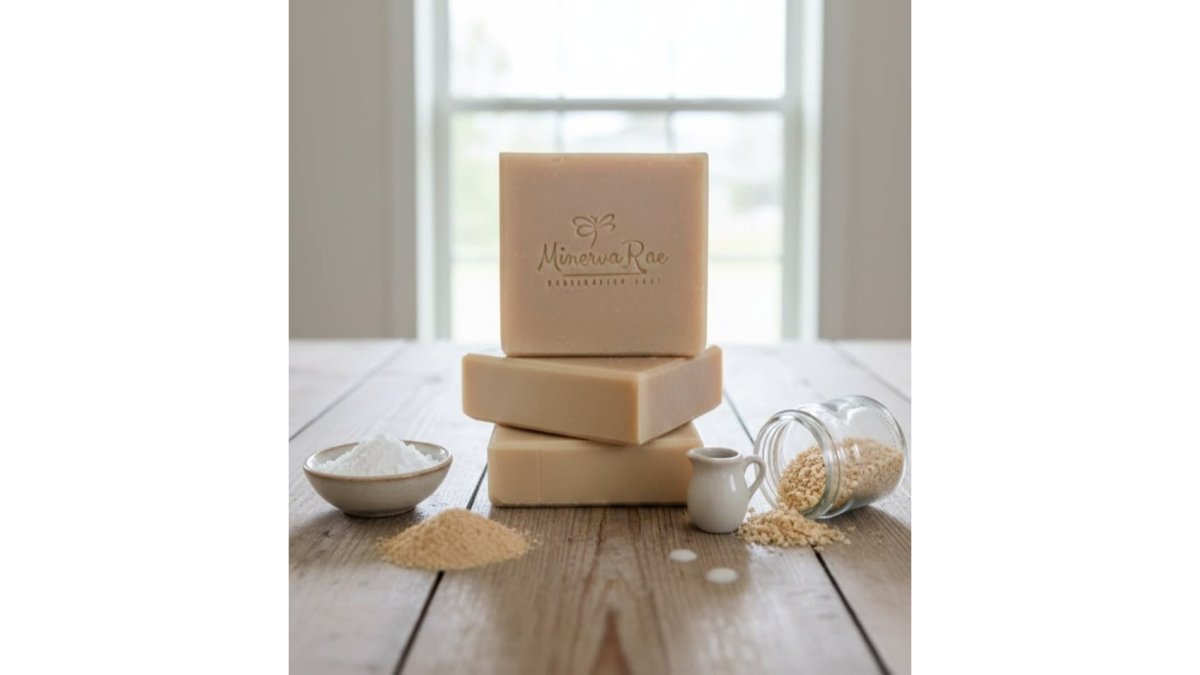
Fragrance-free means no added fragrance of any kind, no fragrance oils, essential oils, or scent boosters. The only smell comes from base ingredients like oatmeal or goat milk.

Unscented means no noticeable smell, but may contain masking fragrances to hide ingredient odors. Your nose won't detect the scent, but your skin might still react. An unscented soap can trigger reactions; a fragrance-free soap cannot.
Look for "fragrance-free" explicitly on labels. If a soap says "unscented," check the ingredient list for "fragrance," "parfum," or "essential oil", if present, it's not fragrance-free.
How to Read Soap Ingredient Labels for Sensitive Skin
Learning to read soap labels is your first defense against irritants. Unlike vague marketing claims on the front, the ingredient list is a legal, standardized record of what's actually in the product.
The Label-Reading Checklist
Use this step-by-step process every time you evaluate a new soap:
-
Locate the ingredient list. On bar soaps, it's on the back or side; on liquid cleansers, the back label. Ingredients are listed by weight, highest to lowest. The first 3-5 ingredients make up the bulk of the product.
-
Check for fragrance under all its aliases. Scan for: fragrance, parfum, fragrance oil, essential oil, natural fragrance, botanical fragrance, aroma, aromatic, perfume, or flavor. If any appear, the soap is not fragrance-free. Masking fragrance is still fragrance and can trigger reactions.
-
Verify the base oils and butters. Look for moisturizing bases in the top 3-5 slots: olive oil, coconut oil, shea butter, cocoa butter, tallow, or goat milk. If the list starts with water or unfamiliar chemical names, the soap may be less nourishing.
-
Identify the lye (sodium hydroxide). All true bar soaps contain lye, used during soap-making and chemically transformed into soap. It's safe in the finished product. If lye is not listed, it may be a syndet (synthetic detergent bar) rather than true soap.
-
Scan for common irritants beyond fragrance:
- Dyes or colorants: Listed as "CI" followed by numbers or color names. Dyes serve no cleansing purpose and are a common trigger.
- Sodium lauryl sulfate (SLS) or sodium laureth sulfate (SLES): Harsh detergents that strip natural oils.
- Parabens: Preservatives to avoid if you've reacted to them before.
- Exfoliants: Ground oatmeal, pumice, or microbeads can irritate reactive skin.
- Sulfites or sodium bisulfite: Preservatives that can trigger reactions.
-
Count the total ingredients. When learning how to choose fragrance free soap for sensitive skin, look for 8-15 ingredients. Lists exceeding 20 suggest unnecessary complexity and more potential irritants.
-
Watch for vague or hidden ingredients. Terms like "natural ingredients," "botanical extracts," "plant complex," or "proprietary blend" are red flags. Contact the brand directly for specifics; transparency indicates trustworthiness.
Why This Matters
Front-label claims like "gentle," "natural," or "unscented" are marketing language not regulated like ingredient lists. A soap can claim "unscented" while containing masking fragrance. Only the ingredient list tells the truth. A truly fragrance-free oatmeal soap will have no fragrance entry; you'll smell only the oatmeal and base oils.

Reading Between the Lines
"Natural fragrance," "essential oil blend," and "aromatherapy formula" are all fragrance. The legal term is "fragrance" or "parfum"; everything else is marketing spin. If a soap smells pleasant with no fragrance listed, the smell comes from base ingredients, oils, butters, milk, or oatmeal. Keep a list of ingredients that triggered your skin; your personal history is your best guide.
Soap Ingredients to Avoid for Sensitive Skin
Not all soap ingredients are created equal. Some are genuinely problematic for reactive skin. Others are safe but overhyped as dangerous.
Always avoid fragrance. Fragrance is the number-one cause of soap reactions for sensitive skin, whether synthetic or natural.
Avoid harsh detergents like SLS and SLES, which strip natural oils and compromise your moisture barrier.
Skip dyes and colorants. They serve only aesthetic purposes and can trigger reactions.
Be cautious with exfoliants. Even ground oatmeal can irritate very reactive skin. Use a soft washcloth instead.
Parabens are preservatives some people react to. If you've reacted to them before, avoid them.
Essential oils are not fragrance-free. Tea tree oil, peppermint, and citrus oils are common irritants. If a soap lists essential oils, it's not fragrance-free.
Choosing Between Bar Soap and Liquid Cleanser
Both bar and liquid formats can work for sensitive skin, but they differ in composition, cleansing strength, and how they interact with your skin barrier. Understanding these differences helps you choose the format most likely to work for your skin.
Bar Soap: How It Works
Bar soap combines oils and fats with lye (sodium hydroxide) in saponification, creating a concentrated cleanser with 5-15% water.
Bar Soap Drawbacks for Sensitive Skin
Cheap commercial bars may include harsh detergents or dyes. Look for cold-process or hot-process bars with nourishing oils like olive, coconut, or shea butter. Bar soaps have higher pH (8-10) than skin (4.5-5.5), which can temporarily disrupt your barrier.
Liquid Cleanser: How It Works
Liquid cleansers are water-based (50-80% water) with surfactants (detergents), multiple preservatives to prevent bacterial and fungal growth, thickeners and stabilizers, and humectants like glycerin to offset drying effects.
Liquid Cleanser Advantages
- Easier portion control: Dispense exactly what you need.
- Faster rinsing: Water-based formulas rinse more quickly.
- Lighter feel: Less stripping for skin that feels tight after bar soap.
- Easier to use: Pump or squeeze instead of holding a bar.
Liquid Cleanser Drawbacks for Sensitive Skin
- Higher preservative load: The water content requires multiple preservatives, and some people react to these. Parabens, phenoxyethanol, and methylisothiazolinone are common triggers.
- Weaker cleansing per ounce: You often need more product to achieve the same cleansing effect as bar soap, making bottles empty faster.
- Lower pH is not always better: While many liquid cleansers are pH-balanced to match skin (4.5-5.5), this doesn't guarantee gentleness. A low-pH formula can still contain harsh surfactants.
- More plastic packaging: Liquid cleansers typically come in plastic bottles, which has environmental implications.
Syndet Bars: A Middle Ground
Syndet bars (synthetic detergent bars) are a hybrid format. They're solid like bar soap but made with synthetic detergents rather than saponified oils. Examples include Dove and CeraVe bars. Syndets:
- Have a lower pH closer to skin (around 5.5-7).
- Often include moisturizing ingredients like ceramides or hyaluronic acid.
- Require fewer preservatives than liquid cleansers because they contain less water.
- May still contain fragrance or other irritants, so always check the ingredient list.
For sensitive skin, a high-quality syndet bar can be gentler than traditional bar soap because of its lower pH, but a well-formulated true bar soap with nourishing oils is often equally effective and simpler in formula.
Which Format Is Best for Sensitive Skin?
Choose bar soap if:
- Your skin is dry or very reactive.
- You want a minimal ingredient list with few preservatives.
- You prefer a more concentrated, longer-lasting product.
- You're willing to rinse thoroughly and moisturize immediately after washing.
Choose liquid cleanser if:
- Your skin feels tight or uncomfortable after bar soap.
- You have a history of reactions to preservatives (in which case, choose a liquid with the fewest preservatives listed).
- You prefer a lighter, faster-rinsing formula.
- You want easier portion control.
Choose a syndet bar if:
- You want the convenience of a solid bar with a lower pH and added moisturizers.
- You're transitioning from liquid to bar and want a gentler intermediate step.
How to Patch Test a New Soap Safely
Patch testing is your insurance policy. It takes five minutes and can prevent days of irritation.
Before using a new soap on your entire body, test it on a small area of skin first.
Here's the step-by-step process:
- Wash the test area with your current soap and dry completely.
- Apply a small amount of the new soap to the area (about the size of a dime).
- Lather gently and rinse thoroughly with cool water.
- Pat dry and leave the area unwashed for 24 hours.
- Observe for any redness, itching, burning, or rash.
If your skin shows no reaction after 24 hours, you can use the soap on your body. If you see any irritation, wash the area again and stop using that soap.
Some reactions take longer to develop. If you start using the soap and notice irritation after a few days, stop immediately. Continuing to use an irritating soap will worsen the reaction.
Keep a simple record of soaps you've tested and your results. Note which ingredients appeared in soaps that caused reactions. Over time, you'll identify your personal triggers.
Choosing fragrance-free soap for sensitive skin doesn't have to be complicated. Read labels carefully, patch test before committing, and prioritize simplicity over marketing claims. Your skin will thank you.
At Minerva Rae, we believe that luxury and skin health aren't mutually exclusive. Each bar is made to last and designed to respect your skin's needs. Explore the Collection and discover how intentional ingredients make a real difference.
Frequently Asked Questions
What is the difference between fragrance-free and unscented soap?
Fragrance-free soap contains no added fragrance, essential oils, or scent-masking ingredients, making it truly neutral. Unscented soap may include fragrance compounds added specifically to mask or neutralize other odors, which can still trigger reactions in sensitive skin. For sensitive skin, fragrance-free is the safer choice since it eliminates this variable entirely.
How do I know if a soap is truly fragrance-free?
Check the ingredient list for terms like 'fragrance,' 'parfum,' 'essential oils,' or 'natural fragrance.' If the label says 'unscented' but lists fragrance components, it's not fragrance-free. Look for soaps explicitly labeled 'fragrance-free' with a short, simple ingredient list. Handcrafted soaps like Tallow & Goat Milk are unscented and free of added fragrance or essential oils, making them ideal for sensitive skin.
Which soap ingredients should I avoid if I have sensitive skin?
Avoid synthetic fragrances, essential oils, sulfates (SLS and SLES), parabens, artificial dyes, and harsh exfoliants. Look instead for gentle bases like tallow, olive oil, coconut oil, and soothing additions like goat milk or oatmeal. When reading labels, skip any soap listing more than 10-12 ingredients or containing chemical names you cannot identify.
How do I safely introduce a new fragrance-free soap if my skin is very reactive?
Patch test first by applying a small amount to your inner arm or behind your ear for 24-48 hours. Watch for redness, itching, or irritation. If no reaction occurs, use the soap on a small body area for one week before full-body use. Introduce only one new product at a time so you can identify what causes any reaction. This gradual approach protects your skin barrier while you determine tolerance.