

Last Updated: October 22, 2026
Quick Summary
The best essential oils for cold process soap are woody, herbal, and floral oils like lavender, cedarwood, and patchouli that withstand saponification without losing character. Citrus oils are volatile and fade quickly, requiring higher concentrations and strategic blending with grounding base notes to survive the cure cycle.
- Lavender, cedarwood, sandalwood, and patchouli hold exceptionally well through cure with minimal loss.
- Most cold process soapmakers use 0.5-1% essential oil by weight, with volatile citrus oils requiring 1-1.5% to compensate for fade.
- Effective blends follow a pyramid structure: 20-30% top notes, 50-60% middle notes, 20-30% base notes for complexity and longevity.
- Citrus oils like lemon and lime lose 50% scent by week two, while herbal and woody oils often improve during the four-week cure.
- Cold process is less harsh on essential oils than hot process, so keeping batches cool during mixing preserves aromatic character.
Table of Contents
- Essential Oils That Perform Best in Cold Process Soap
- Essential Oil Blends for Soap Making That Last
- Essential Oil Usage Rate for Cold Process Soap
- Which Essential Oils Last in Soap Through Cure
- Using a Cold Process Soap Scent Calculator
- Safety Limits and Skin Sensitivity Considerations
- Tested Blends from Minerva Rae
- Common Mistakes to Avoid When Selecting Essential Oils
- Frequently Asked Questions
Essential Oils That Perform Best in Cold Process Soap
In cold process soap, essential oils determine whether a bar smells fresh for months or fades within weeks. Oils behave differently through saponification: some fade dramatically during cure, others deepen. This guide covers the best essential oils for cold process soap, the ones that hold their scent through the full curing cycle.
Citrus oils are bright but volatile; herbal and minty oils hold reasonably well; woody and earthy oils anchor blends and improve over time.
Citrus Oils: Bright, Energizing Scents
Citrus oils deliver immediate lift but are the most challenging in cold process. Lemon, lime, orange, and bergamot are volatile; their aromatic molecules break down during saponification and keep fading during cure. You can use them, with strategy.
Sweet orange and bergamot hold better than lemon or lime; bergamot's herbal undertones add staying power. Used alone, expect noticeable loss by week two. Layer citrus with grounding notes, our Bergamot & Lime Soap pairs these oils with kaolin clay and black tea leaves to anchor the fragrance.
Clementine and petitgrain (a more tenacious citrus derivative) outperform straight lemon in cold process and are worth the premium if budget allows.
Herbal and Minty Oils: Fresh and Clarifying
Peppermint, spearmint, lavender, rosemary, lemongrass, clary sage, and thyme perform reliably in cold process; their complex molecular structures survive saponification better than citrus.
Lavender is the workhorse of cold process soapmaking. Bulgarian lavender's deep herbaceous notes improve during cure as volatile components fade, leaving richer floral-herbal character. Our Bulgarian Lavender bar becomes more sophisticated and grounded over time.

Lemongrass brings a bright herbal-citrus note more stable than pure citrus, holding up well through saponification. Our Lemongrass soap develops a cleaner, more refined character after a 4-week cure.

Rosemary and thyme work best as supporting notes, anchoring blends without overwhelming the bar. Clary sage's herbaceous-floral quality rounds out minty or citrus blends.
Woody and Earthy Oils: Grounding Base Notes
Cedarwood, sandalwood, patchouli, and cypress are the backbone of long-lasting cold process soap. They don't just survive saponification, they often improve during cure, their heavier molecules staying stable as lighter volatiles fade.
Cedarwood is dependable, affordable, and pairs with almost any oil. Sandalwood is luxurious with a creamy, slightly sweet note. Patchouli is polarizing but incredibly stable, delivering earthiness with subtle sweetness.
Cypress brings a fresh-woody character lighter than cedarwood, ideal for Mediterranean-inspired blends. Our Cypress Drift pairs Italian cypress with Sicilian mandarin and grounding sandalwood, deepening beautifully through cure.
Evergreen and mossy notes (like those in our Evergreen Forest soap) deliver forest-fresh character that holds through the entire cure and beyond.
Essential Oil Blends for Soap Making That Last
Blended soaps deliver complexity and better scent retention than single-oil bars, using citrus or herbal top notes for impact, floral or herbal middle notes for character, and woody base notes for staying power.
Follow a pyramid: 20-30% top notes, 50-60% middle notes, 20-30% base notes. The bar smells inviting immediately and develops richer character as volatiles fade.
Citrus and Herbal Combinations
Lemon with lavender is a classic: lemon's brightness balanced by lavender's herbaceous calm. It loses citrus punch by week two, but lavender carries the scent forward; a touch of rosemary deepens it and improves longevity.
Bergamot with peppermint is sophisticated and uplifting; bergamot's herbal-citrus notes complement peppermint's cooling freshness, and both hold reasonably well through cure.
Lemongrass with clary sage and a touch of cedarwood delivers brightness with grounding support; cedarwood anchors the blend so it doesn't fade by week three, and it improves slightly during cure as the woody base emerges.
Orange with peppermint and a woody base (cedarwood or sandalwood) creates a warm, spicy-fresh character; the peppermint cuts sweetness and the woody base extends longevity. Our Orange Patchouli pairs sweet orange with patchouli for a more complex, grounding result.
Woody and Floral Pairings
Lavender with cedarwood is perhaps the most reliable cold process blend.
Eucalyptus with sandalwood and a hint of ylang ylang is sophisticated and slightly exotic; all three oils hold well, making it long-lasting. Our Eucalyptus & Cotton soap delivers both immediate freshness and lasting depth.
Cypress with mandarin and sandalwood brings Mediterranean warmth; it holds exceptionally well because woody and floral notes are primary, with citrus supporting.
Patchouli with rose and cedarwood creates an earthy-romantic character that holds remarkably well through the entire cure and beyond.
| Blend Type | Top Notes | Middle Notes | Base Notes | Scent Longevity | Best For |
|---|---|---|---|---|---|
| Citrus-Herbal | Bergamot, Lemon | Lavender, Peppermint | Cedarwood | Good | Energizing, fresh daily soaps |
| Woody-Floral | Eucalyptus | Lavender, Ylang Ylang | Sandalwood | Excellent | Sophisticated, lasting scents |
| Herbal-Woody | Lemongrass, Clary Sage | Rosemary | Cedarwood | Excellent | Balanced, complex blends |
| Earthy-Floral | Patchouli | Rose, Geranium | Sandalwood | Excellent | Deep, romantic scents |
Essential Oil Usage Rate for Cold Process Soap
Usage rate, the percentage of essential oils by weight of oils, affects scent strength and staying power. Most cold process soapmakers use 0.5-1%.
At 0.5% the scent is subtle; at 1% it's noticeable but not overwhelming.
For volatile citrus oils, many soapmakers go to 1-1.5% to compensate for cure loss; stable oils like lavender or cedarwood need only 0.5-0.75%.
Temperature matters: cold process is less harsh on essential oils than hot process, which is why cold process soaps retain scent better. With volatile oils (lemon, lime, grapefruit), keep the batch cool during mixing and pouring.
Which Essential Oils Last in Soap Through Cure
Scent retention varies dramatically: some oils fade 50% by week two, others improve. Knowing this helps you choose oils strategically and adjust usage rates.
Oils that hold exceptionally well (minimal loss through cure):
- Lavender (Bulgarian lavender especially)
- Cedarwood
- Sandalwood
- Patchouli
- Cypress
- Rosemary
- Clary sage
- Ylang ylang
Oils with moderate retention (noticeable loss by week 2-3, then stabilize):
- Peppermint and spearmint
- Lemongrass
- Bergamot
- Eucalyptus
- Geranium
Oils with poor retention (significant loss by week 1-2):
- Lemon
- Lime
- Grapefruit
- Orange (sweet orange holds better than other citrus, but still fades)
- Clementine
Don't avoid volatile oils, expect scent evolution and plan blends accordingly. A bar that smells bright and citrusy on day one may smell more herbal and woody by week three; that's natural progression, not failure.
Using a Cold Process Soap Scent Calculator
A scent calculator determines exact oil amounts from batch size and desired usage rate: (total oil weight × desired percentage) ÷ 100 = essential oil needed.
A 5-pound batch at 1% needs 0.8 ounces (80 × 0.01); a 10-pound batch at 0.75% needs 1.2 ounces (160 × 0.0075).
The most useful calculators take batch size, usage rate, and individual oils, then divide your total by blend ratios, e.g., 30% top / 50% middle / 20% base.
Keep detailed notes: oils, percentages, batch size, date, and scent assessments at one, two, and four weeks. Over time you'll build a personal reference for how oils perform in your formulation, climate, and curing conditions.
Safety Limits and Skin Sensitivity Considerations
Essential oils are concentrated plant extracts, and some are skin sensitizers, phototoxic, or irritating at high concentrations. Knowing these limits protects your customers and your reputation.
Peppermint and spearmint can irritate sensitive skin above 2-3%. Lemongrass and lemon are mildly phototoxic, less concerning in rinse-off soap than leave-on products, but worth noting.
Cinnamon, clove, and other spice oils are common irritants.
Lavender, cedarwood, sandalwood, and patchouli are generally well-tolerated even by sensitive skin.
Always research any essential oil before using it, especially for customers with known sensitivities. Include clear ingredient lists and educate customers about potential triggers. Minerva Rae's commitment to premium, skin-conscious formulation means we disclose every ingredient.
Tested Blends from Minerva Rae
Garden Mint combines peppermint and tea tree for a cooling, herbal-fresh character. Peppermint delivers immediate minty brightness; tea tree adds earthy clarity.
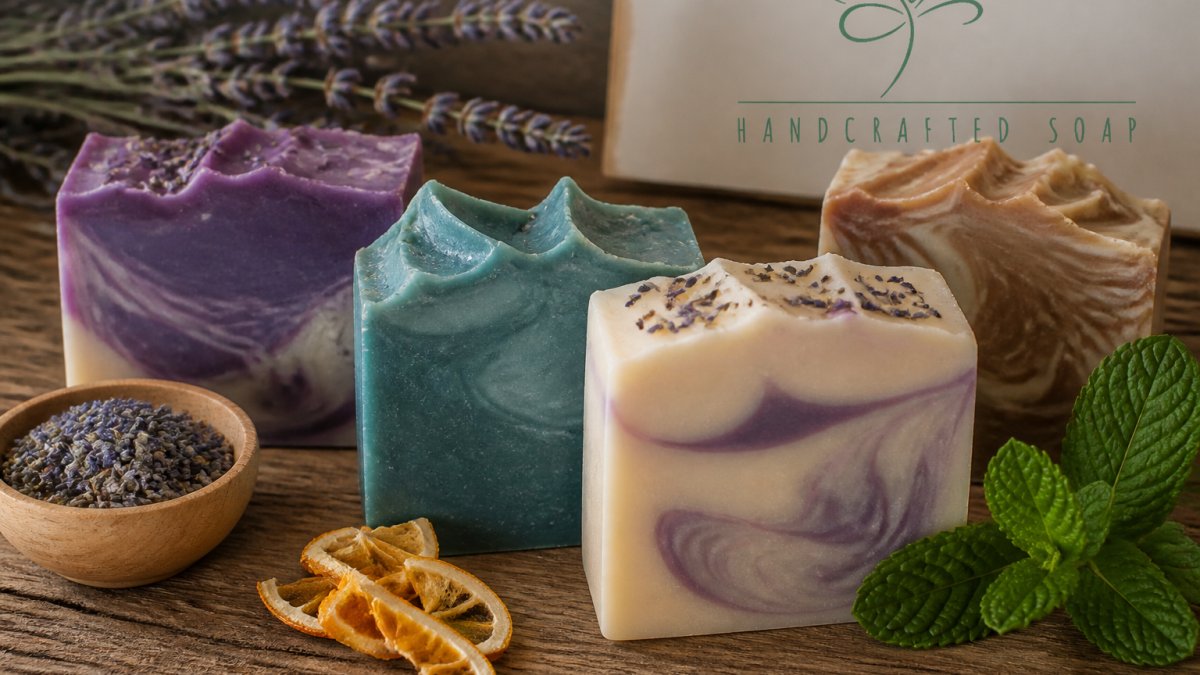
Bulgarian Lavender shows the staying power of a single high-quality oil. Pure Bulgarian lavender is complex on its own, herbaceous, slightly floral, slightly woody.
Orange Patchouli is a masterclass in blending volatile and stable oils. Sweet orange provides immediate brightness; patchouli grounds it with earthy depth.
Lemongrass shows how herbal-citrus oils outperform pure citrus. Its more complex molecular structure gives it better staying power than lemon or lime.
Eucalyptus & Cotton demonstrates a three-note structure.
Common Mistakes to Avoid When Selecting Essential Oils
The most common mistake is assuming more oil equals better longevity.
Another mistake is making volatile citrus the primary scent without grounding support.
Blending too many oils is another error. Eight oils sounds complex but creates confusion, they compete and none shines.
Temperature control matters more than many realize. A hot batch accelerates breakdown of volatile aromatic molecules.
Finally, don't skip the cure. Cold process soap needs four weeks minimum for scent to stabilize; a bar that smells weak at one week may smell beautiful at four.
Choosing essential oils for cold process soap means understanding how oil families behave during saponification and cure, then blending strategically.
At Minerva Rae, we've tested every blend through multiple cure cycles to ensure each bar develops a sophisticated, long-lasting scent. Our Garden Mint, Bulgarian Lavender, and Orange Patchouli soaps show how thoughtful blending creates bars that smell better at four weeks than on day one.

Frequently Asked Questions
How many drops of essential oil should I use in homemade cold process soap?
Most soapmakers use 0.5 to 1 ounce of essential oil per pound of soap oils. Start at the lower end and test. A cold process soap scent calculator can help you determine the exact amount for your batch size and preferred scent strength.
Which essential oils hold their scent best in cold process soap?
Woody, herbaceous, and spiced oils retain scent longest during cold process soap's cure. Cedarwood, lavender, patchouli, and rosemary are reliable performers. Citrus oils like lemon and orange fade noticeably, so they're often blended with anchoring base notes such as sandalwood. Peppermint and eucalyptus are moderately stable. Floral oils like jasmine and ylang ylang vary; pairing them with woody oils improves longevity.
What essential oils work well together in soap?
Successful blends follow aromatic families. Citrus combines beautifully with bergamot, lemongrass, and petitgrain for brightness. Herbal blends pair peppermint with lavender or rosemary for fresh, minty clarity. Woody bases like cedarwood, sandalwood, and cypress anchor floral and citrus notes. Minerva Rae's Garden Mint pairs peppermint and tea tree for an energizing herbal profile.
Why does essential oil scent fade in cold process soap?
Cold process saponification generates heat that volatilizes lighter aromatic compounds, especially in citrus and top-note oils. As the soap cures, scent strength is highest right after unmolding and gradually mellows. Blending volatile citrus oils with stable, grounding woody or herbaceous oils slows fading and creates more complex, long-lasting aromatic profiles.
Can citrus essential oils be used in cold process soap?
Yes, citrus oils like lemon, lime, orange, and bergamot work well in cold process soap, but they fade faster than woody or herbaceous oils. To extend their scent life, use them in blends with anchoring base notes such as cedarwood, sandalwood, or patchouli. Bergamot & Lime Soap from Minerva Rae combines bergamot and lime with grounding base notes for a vibrant citrus scent that stays fresher longer.
