

Table of Contents
- Why Seek Little Flower Soap Alternatives
-
Best Handmade Soap Brands to Consider
- Minerva Rae: Luxury Cold Process and Melt and Pour Designs
- Sweet Harvest Farms: USDA Organic Cold Process Excellence
- Soaps by a Chemist: Scientifically Formulated Artisan Bars
- Cape May Soap Company: Natural Coastal Scents with Guarantee
- Zum Bar by Indigo Wild: Goat Milk and Aromatherapy Blends
- Lynchburg Soap Company: Local Goat Milk Formulations
- Hero Soap Company: Veteran-Made Small Batch Soaps
- Dr. Bronner's Pure-Castile: Organic and Fair Trade Versatility
- Cold Process Soap Benefits and What They Mean
- How to Choose Artisan Soap for Your Skin Type
- Comparison of Key Factors: Ingredients, Scents, and Longevity
- Handmade Soap Alternatives for Specific Needs
- Conclusion
Last Updated: August 19, 2026
Why Seek Little Flower Soap Alternatives
Many people reach a point where they want to explore other artisan soap options, whether for different scent profiles, specific skin benefits, or simply a fresh experience. The handmade soap market has expanded significantly, offering thoughtfully crafted alternatives that deliver distinct qualities.
The shift from one brand to another often comes down to three factors: ingredient transparency, sensory experience, and how well a soap performs for your particular skin needs. At Minerva Rae, we understand that discerning buyers want more than just a bar of soap, they want a product that reflects their values and delivers real results. This guide walks you through eight compelling alternatives to Little Flower Soap, each with its own strengths, so you can find the one that truly fits your self-care routine.
Best Handmade Soap Brands to Consider
When evaluating a Little Flower Soap alternative, consider what matters most to you: ingredient quality, aesthetic appeal, or specific skin benefits. The brands below represent the strongest options across different categories, each bringing something distinctive to the table.
Minerva Rae: Luxury Cold Process and Melt and Pour Designs
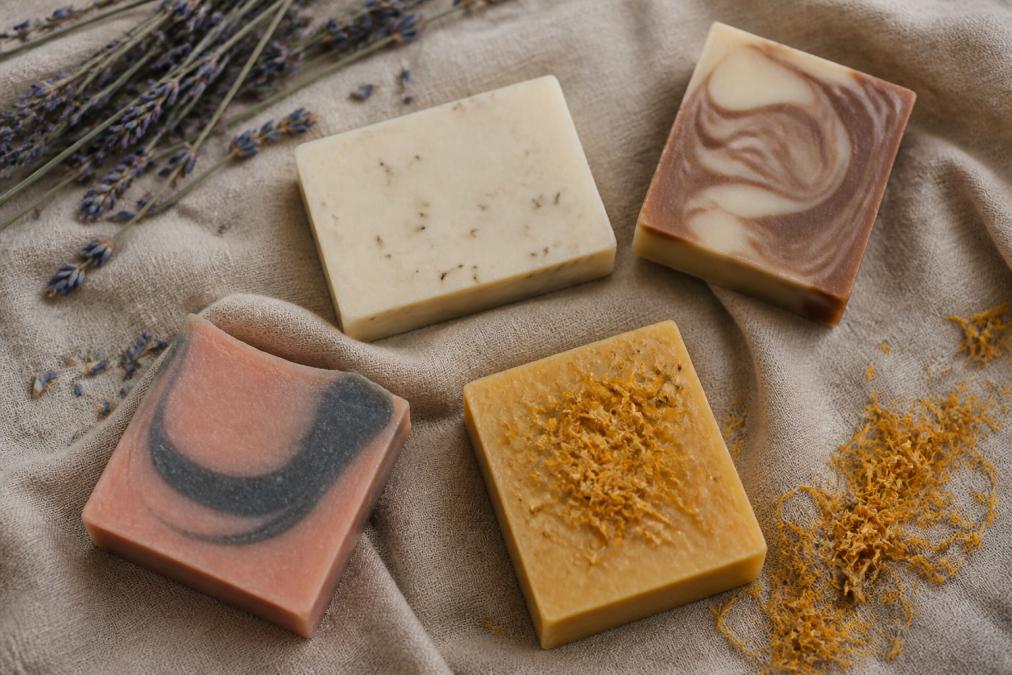
Minerva Rae combines handcrafted excellence with intentional design, using both cold process and melt and pour methods to create soaps that are as visually striking as they are effective. Every bar is formulated to deliver an exceptional sensory experience, from the moment you hold it to the moment it touches your skin. The cold process method ensures that natural glycerin remains in the soap, creating bars that are inherently moisturizing without stripping your skin.
Minerva Rae also offers personalized services for custom soap orders and special events, making it ideal for wedding favors, corporate gifts, or a truly one-of-a-kind self-care experience. The combination of design sophistication, ingredient quality, and customization capability positions it as a premium alternative to Little Flower Soap.
Sweet Harvest Farms: USDA Organic Cold Process Excellence
Sweet Harvest Farms has been crafting handmade soaps since 1994, specializing in USDA-grade organic oils and traditional cold-process methods. Because the soap is made without high heat, the natural glycerin stays locked in the bar, making these soaps substantially more moisturizing than commercial alternatives. The proprietary recipes create firm, long-lasting bars that won't dissolve quickly in the shower.
Soaps by a Chemist: Scientifically Formulated Artisan Bars
For those who appreciate the science behind their skincare, Soaps by a Chemist offers artisan soaps engineered for performance. Each formulation is designed to balance lather, hardness, and skin conditioning properties. The cold process method combined with scientific precision means you're getting a product that performs consistently, batch after batch.
Cape May Soap Company: Natural Coastal Scents with Guarantee
Cape May Soap Company brings coastal sensibility to handmade soaps, with scent profiles inspired by the New Jersey shore. The company stands behind its product quality with a money-back guarantee, and the soaps are made in small batches using all-natural ingredients with careful attention to scent development.
Zum Bar by Indigo Wild: Goat Milk and Aromatherapy Blends
Zum Bar stands out for its focus on goat milk formulations combined with aromatherapy-grade essential oils. The goat milk base provides exceptional moisturizing properties, particularly beneficial for those with dry or sensitive skin. Marbled designs created through the handmade process give each bar a unique appearance, while the essential oil blends deliver specific therapeutic benefits.
Lynchburg Soap Company: Local Goat Milk Formulations
Lynchburg Soap Company creates handmade soaps using natural ingredients with a particular emphasis on local goat milk. The goat milk base is exceptionally gentle while still providing excellent cleansing, making these soaps ideal for sensitive or dry skin. The small-batch production ensures consistency and quality control.
Hero Soap Company: Veteran-Made Small Batch Soaps
Hero Soap Company is USA-made, veteran-founded, and commits a portion of sales to supporting veterans and first responders. The soaps are small-batch productions infused with essential and fragrance oils, with long-lasting bars and balanced scents that appeal to a broad audience.
Dr. Bronner's Pure-Castile: Organic and Fair Trade Versatility
Dr. Bronner's pure-castile formulation is made with organic and fair trade ingredients and designed to be versatile, suitable for body, face, hair, and household cleaning. The fair trade commitment and organic certification appeal to eco-conscious consumers prioritizing sustainability and multi-purpose functionality.
Cold Process Soap Benefits and What They Mean
Cold process soap creation involves mixing oils with lye at room temperature, allowing the saponification reaction to occur slowly over several weeks. The primary benefit is that natural glycerin remains in the soap. Commercial manufacturers often remove this glycerin to sell separately, leaving their soaps drying. In cold process soaps, that glycerin stays put, creating bars that are naturally moisturizing.
Cold process also allows for higher concentrations of beneficial oils and butters, shea butter, coconut oil, olive oil, to survive the process intact, maintaining their skin-conditioning properties. The longevity of cold process soaps is another practical advantage. A single bar often outlasts multiple drugstore equivalents, making the higher upfront cost more economical over time.
How to Choose Artisan Soap for Your Skin Type
The ideal artisan soap for your needs depends entirely on your skin's specific characteristics and sensitivities.
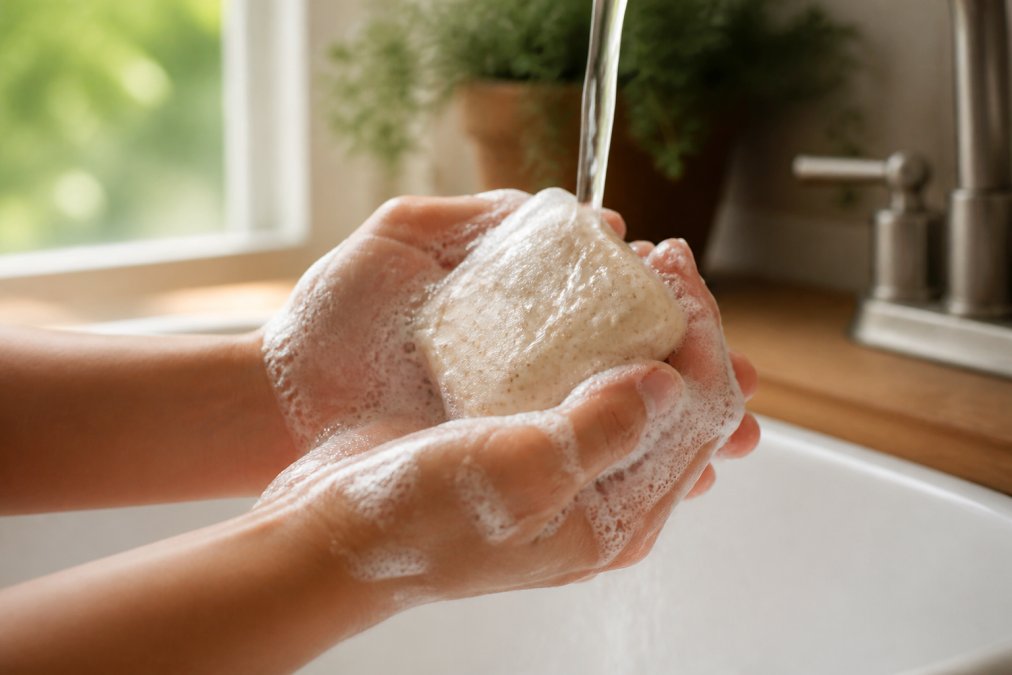
For dry or sensitive skin, prioritize soaps made with moisturizing bases like goat milk, shea butter, or high concentrations of olive oil. Look for minimal fragrance options or those using only essential oils rather than synthetic fragrance compounds. For oily or combination skin, seek soaps with higher proportions of clarifying oils like coconut or tea tree, balanced with skin-conditioning ingredients. For normal skin, you have more flexibility and can choose based on sensory experience and scent profile.
Consider whether you prefer fragrance-free options (ideal for very sensitive skin), essential oil scents (therapeutic but can still irritate some), or synthetic fragrance (more stable and varied). Testing a small bar before committing to a full-size purchase is wise if you've had reactions to other brands.
Comparison of Key Factors: Ingredients, Scents, and Longevity
| Brand | Primary Oils | Key Benefit | Scent Approach | Longevity |
|---|---|---|---|---|
| Minerva Rae | Premium blend (cold & melt process) | Luxury design + skin conditioning | Varied, custom options | Excellent |
| Sweet Harvest Farms | USDA organic oils | Maximum moisturizing | Essential oil blends | Very long-lasting |
| Soaps by a Chemist | Scientifically balanced | Optimal performance | Artisan fragrances | Excellent |
| Cape May | Natural coastal blend | Balanced cleansing | Natural scents | Good |
| Zum Bar | Goat milk base | Therapeutic aromatherapy | Essential oils | Good |
| Lynchburg | Goat milk + natural oils | Skin-nourishing | Varied | Good |
| Hero Soap | Essential + fragrance oils | Mission-driven value | Balanced scents | Excellent |
| Dr. Bronner's | Saponified organic oils | Versatility + ethics | Essential oils | Very long-lasting |
The longevity comparison matters practically. A soap that lasts twice as long effectively costs half as much per use, even if the upfront price is higher.
Handmade Soap Alternatives for Specific Needs
For Sensitive and Dry Skin
If you've experienced irritation from Little Flower Soap, the issue often traces to ingredient choice or fragrance type. Seek alternatives specifically formulated for sensitive skin: Zum Bar's goat milk base, Lynchburg's gentle formulations, or Minerva Rae's customizable options. Avoid soaps with essential oils if you've reacted to those in the past. All the brands listed above use cold process (or offer cold process options), meaning natural glycerin remains in the bar, which often resolves dryness issues.
For Gift Giving and Special Events
Minerva Rae's personalized custom soap services make it the standout choice for wedding favors, corporate events, or curated gift sets. The ability to specify scents, colors, and designs means your gifts are truly one-of-a-kind. For ready-made gift options, Zum Bar's striking marbled designs and aromatherapy focus create an inherently gift-worthy product. Cape May's coastal scent collection appeals to those who appreciate place-based storytelling.
For Eco-Conscious Buyers
Dr. Bronner's fair trade and organic certifications represent the strongest commitment to ethical sourcing. Lynchburg Soap Company's emphasis on local production appeals to those prioritizing reduced shipping distances and local economic support. Sweet Harvest Farms' USDA organic certification also resonates with eco-conscious values. Minerva Rae's intentional curation and focus on lasting quality aligns with sustainable consumption, a product that lasts and brings joy encourages less frequent replacement.
Conclusion
Choosing a Little Flower Soap alternative comes down to identifying what matters most in your daily self-care ritual. Whether you prioritize ingredient transparency, sensory experience, environmental values, or specific skin benefits, the handmade soap market offers thoughtfully crafted options that deliver on those priorities.
Minerva Rae combines luxury design with exceptional performance through its dual cold process and melt and pour methods, offering both ready-made collections and personalized custom soaps for those seeking something truly distinctive. The brand's commitment to premium ingredients, intentional curation, and refined aesthetics positions it as the top choice for discerning buyers who want their soap to be as beautiful as it is effective. Explore the collection at Minerva Rae and discover how handcrafted soap can elevate your daily routine.
Frequently Asked Questions
What makes handmade soap alternatives better than commercial bars?
Handmade soaps use cold process or small-batch methods that preserve natural glycerin and botanical ingredients. Commercial bars often strip glycerin during production and add synthetic detergents. Artisan alternatives retain moisturizing oils like shea butter, coconut oil, and olive oil that support skin hydration. They also skip harsh chemicals, making them gentler for sensitive skin. The cold process method creates a naturally creamy lather and longer-lasting bars compared to mass-produced options.
How do I choose artisan soap if I have sensitive skin?
Look for cold process soaps with minimal fragrance, essential oils are gentler than synthetic fragrances. Check ingredient lists for skin-soothing botanicals like calendula, chamomile, and oatmeal. Avoid bars with exfoliating additives if your skin is irritated. Goat milk and shea butter formulations provide extra moisturizing support. Start with unscented or lavender-based bars, which are less likely to trigger reactions. Many artisan makers offer sample sizes or money-back guarantees so you can test compatibility before committing to full-size bars.
What are the benefits of cold process soap for skin?
Cold process soap benefits include higher glycerin content, which naturally hydrates skin. The slower curing process preserves the integrity of botanical oils and essential oils, enhancing their therapeutic properties. Cold process bars tend to last longer than melt-and-pour alternatives, offering better value. They create a creamy, luxurious lather and are less drying because the saponification process retains more of the original oils' moisturizing properties. This method is ideal for sensitive skin since it avoids heat that can degrade delicate ingredients.
Are artisan handmade soap alternatives worth the higher price?
Yes, if longevity and skin quality matter to you. Handmade bars last 2-3 times longer than commercial soaps because they're denser and lack fillers. Premium ingredients like organic oils, essential oils, and botanical extracts cost more but deliver visible skin benefits. Artisan makers also invest in small-batch production, quality control, and unique designs. For gift-giving and self-care, the sensory experience and visible craftsmanship justify the investment. Budget-conscious buyers can start with one premium bar to compare longevity per ounce against cheaper alternatives.
This article was written using GrandRanker