

Table of Contents
- Why Winter Strips Your Skin Barrier Faster Than Any Other Season
- Dermatologist Recommended Winter Skincare Routine: Step by Step
- The 3 Minute Moisturizer Rule That Prevents Dry Skin in Winter
- Benefits of Using a Humidifier for Skin During Winter Months
- How to Prevent Dry Skin in Winter Based on Your Skin Type
- Sunscreen, Exfoliation, and the Details Most People Skip
- How Long Does It Take to Repair Your Skin Barrier?
- Conclusion
Last Updated: August 10, 2026
Why Winter Strips Your Skin Barrier Faster Than Any Other Season
The skin barrier is your body's first line of defense against the environment, and winter attacks it from two directions simultaneously. Outside, cold air holds less moisture than warm air, pulling hydration from exposed skin. Inside, central heating drops indoor humidity to desert-like levels, accelerating transepidermal water loss around the clock.
Transepidermal water loss is the process by which water passively evaporates through the outer layers of skin into the surrounding air. The lipid barrier, a protective layer of ceramides, fatty acids, and cholesterol, slows this process down. Cold temperatures and low humidity degrade that lipid barrier faster than any other seasonal condition, leaving skin prone to flaking, tightness, itchiness, and irritation.
Seasonal skin changes affect more than comfort. Visible dryness, redness, and rough texture can chip away at confidence and make everyday activities feel self-conscious. Recognizing that connection is part of taking winter skin seriously, not just as a cosmetic concern but as a genuine quality-of-life issue.
This guide from Minerva Rae covers the exact steps to prevent dry skin in winter, with specific ingredient guidance, skin-type adjustments, and the timeline you can realistically expect for barrier repair.
According to the American Academy of Dermatology's guidance on dry skin, switching your skincare routine when the seasons change is one of the most effective steps you can take to maintain dermatological health year-round.
Dermatologist Recommended Winter Skincare Routine: Step by Step
A dermatologist recommended winter skincare routine doesn't require a dozen new products. It requires changing how you use the ones you already have, starting with the most damaging daily habit most people never question.
Step 1: Lower Your Shower Temperature and Shorten Your Time
Hot water is one of the fastest ways to destroy your lipid barrier. The heat dissolves the natural oils your skin produces, stripping the ceramides and emollients that hold moisture in. A long, steaming shower feels restorative in January, but it leaves your skin more vulnerable than before you stepped in.
Switch to lukewarm water and limit your shower to ten minutes or less. This single change can meaningfully reduce transepidermal water loss after cleansing.
Step 2: Choose a Cleanser That Doesn't Strip Your Lipid Barrier
Most bar soaps and foaming face washes prioritize lather over gentleness. For winter use, that's a problem. Look for cleansers labeled fragrance-free and hypoallergenic, with a creamy or oil-based texture rather than a foaming one.
Avoid sodium lauryl sulfate as a primary ingredient. Prefer formulas that include glycerin or ceramides, which actively support the skin barrier rather than depleting it.
Step 3: Pat Dry, Never Rub
After washing, pat your skin dry with a soft towel rather than rubbing. Rubbing creates friction that disrupts the outer skin layer, worsening flaking and irritation on already-compromised winter skin. Patting also leaves a light film of moisture on the surface, which is exactly what the next step needs.
The 3 Minute Moisturizer Rule That Prevents Dry Skin in Winter
Apply your moisturizer within three minutes of patting dry. Skin is most receptive to topical application while it still holds surface moisture. Waiting longer allows that moisture to evaporate completely, and you lose the window where moisturizing is most effective.
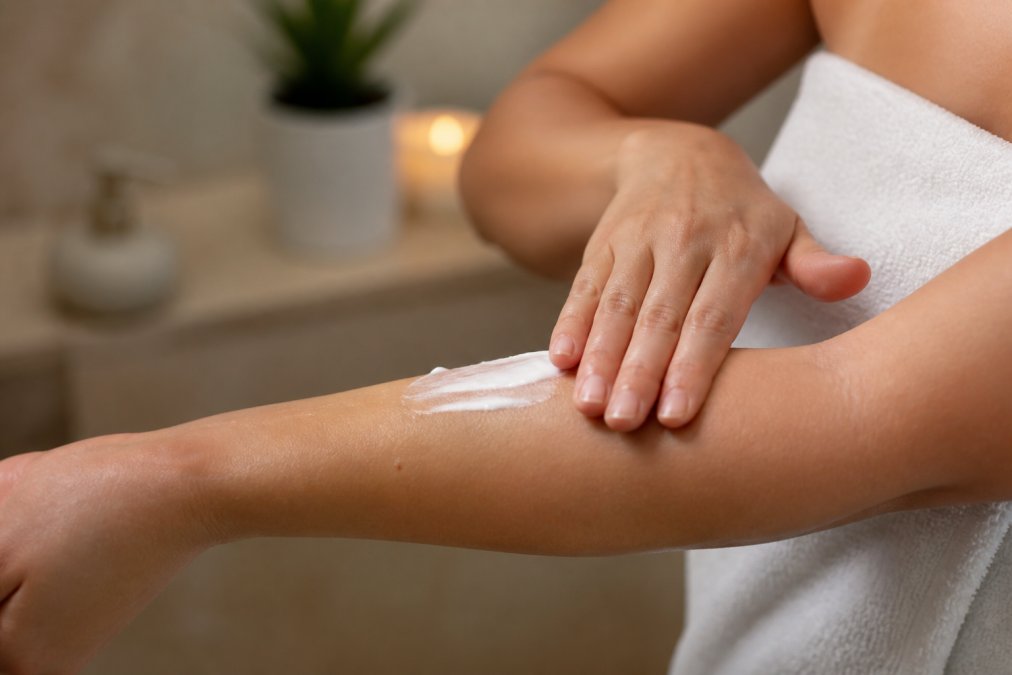
This rule applies to both your face and body. Many people moisturize their face diligently but skip their body, which has far more surface area exposed to the drying effects of indoor heating. Apply to damp skin immediately after showering, before getting dressed.
Picking the Right Moisturizer: Humectants, Emollients, and Occlusives
The right moisturizer for winter works on three levels.
Humectants draw water into the skin from the environment and from deeper skin layers. Hyaluronic acid and glycerin are the most common. They're excellent for adding hydration but need to be sealed in to be effective in dry air.
Emollients fill the gaps between skin cells, smoothing texture and supporting the lipid barrier. Natural oils, shea butter, and ceramides fall into this category. They're the backbone of any good winter moisturizer.
Occlusives create a physical seal over the skin surface to prevent moisture from escaping. Petrolatum, beeswax, and dimethicone are the most effective occlusives available. A moisturizer that combines all three, a humectant to attract water, an emollient to support the barrier, and an occlusive to lock it in, is most effective for winter skin.
| Ingredient Type | Examples | Primary Function |
|---|---|---|
| Humectants | Hyaluronic acid, glycerin | Draw moisture into skin |
| Emollients | Ceramides, shea butter, natural oils | Smooth texture, support lipid barrier |
| Occlusives | Petrolatum, beeswax, dimethicone | Seal moisture in, prevent water loss |
Budget Ingredients vs. Luxury Formulas: What the Label Actually Tells You
The active ingredients in a budget moisturizer and a luxury one are often identical. Glycerin, ceramides, and petrolatum are inexpensive raw materials. What you pay more for in a premium formula is typically the texture, fragrance profile, packaging, and concentration of secondary ingredients.
Concentration matters. A luxury formula may contain a higher percentage of ceramides or a more stable form of hyaluronic acid. Check the ingredient list order, ingredients are listed from highest to lowest concentration. If your key humectants, emollients, and occlusives appear in the first five ingredients, the formula is doing its job regardless of price point.
Benefits of Using a Humidifier for Skin During Winter Months
Indoor heating is the hidden driver of winter skin dehydration that most people overlook. When you run central heating for weeks at a time, indoor humidity levels can drop dramatically, creating an environment where transepidermal water loss accelerates even when you're indoors.
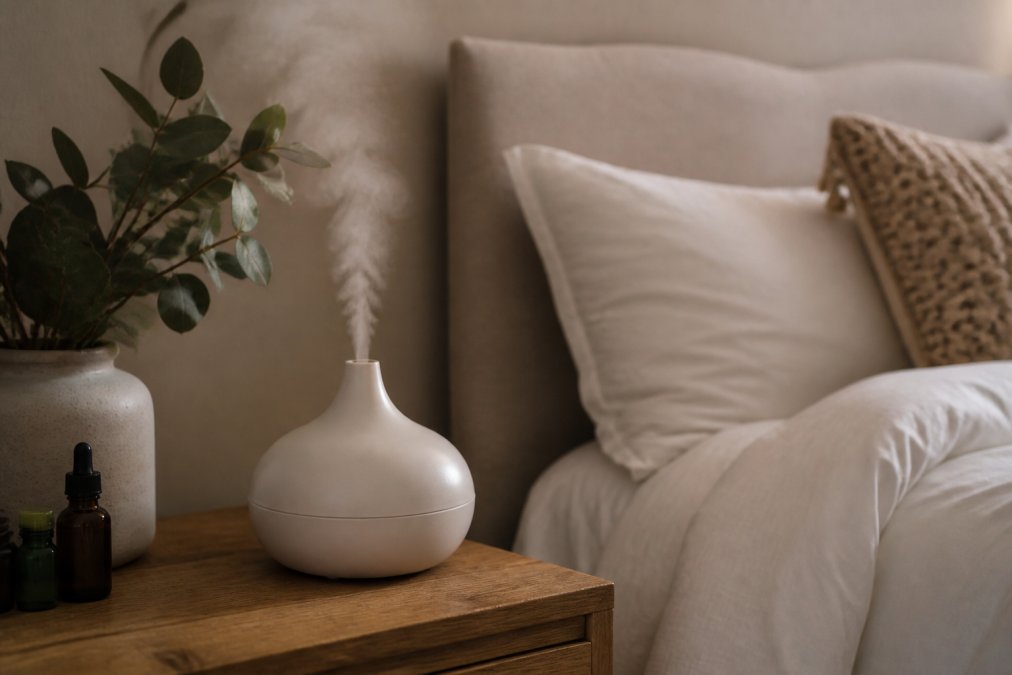
A humidifier adds moisture back into the air, reducing the rate at which your skin loses water passively. Running one in your bedroom overnight addresses the environmental stressor directly rather than compensating for it with heavier moisturizers.
A cool-mist or ultrasonic humidifier set to maintain indoor humidity between 40 and 60 percent is generally recommended for skin comfort. As noted in the Environmental Protection Agency's guidance on indoor humidity, maintaining indoor relative humidity in this range also supports overall respiratory health. Clean your humidifier weekly to prevent bacteria and mold buildup.
How to Prevent Dry Skin in Winter Based on Your Skin Type
The biggest mistake in generic winter skincare advice is treating all skin types the same.
Oily Skin in Winter: Why It Still Gets Dehydrated
Oily skin and dehydrated skin are not opposites. Skin can be simultaneously oily on the surface and dehydrated in the deeper layers, a condition called dehydrated oily skin.
In winter, even oily skin types experience dehydration because cold air and indoor heating strip water from the skin regardless of sebum production. The mistake oily-skin types make is skipping moisturizer entirely. The fix is to use a lightweight, non-comedogenic moisturizer with hyaluronic acid as the primary humectant. Look for gel-cream textures rather than thick creams.
Sensitive Skin: Avoiding Fragrance and Irritation Triggers
Sensitive skin has a lower tolerance for environmental stressors and reacts more readily to both cold air and harsh ingredients. For this skin type, the winter routine is less about adding products and more about removing irritants.
Fragrance is the primary trigger. Both synthetic and natural fragrances are among the most common causes of contact dermatitis, and cold weather makes already-reactive skin even more susceptible. Choose fragrance-free, hypoallergenic formulas across every step of your routine.
Fabric choice matters more than most people realize. Wool and rough synthetic fibers directly against the skin create friction and irritation. Wearing a soft cotton layer underneath heavier fabrics significantly reduces mechanical irritation.
At Minerva Rae, handcrafted soaps are formulated with premium ingredients chosen specifically for their gentleness, making them a thoughtful option for anyone with sensitive skin who wants a cleansing experience that doesn't compromise the skin barrier.
Sunscreen, Exfoliation, and the Details Most People Skip
Two steps disappear from most people's winter routines, and both are mistakes.
Sunscreen is not a summer-only product. UV radiation, specifically UVA rays, penetrates cloud cover and reflects off snow, meaning your exposure in winter is meaningful even when the sun feels weak. As confirmed by the Skin Cancer Foundation's guidance on year-round sun protection, daily SPF application is recommended regardless of season. Apply a broad-spectrum SPF 30 or higher as the last step in your morning routine.
Exfoliation is the other overlooked step. Flaking skin in winter is dead skin cell buildup that blocks moisturizers from reaching the living layers underneath. Gentle exfoliation, once or twice a week, removes that barrier and allows your humectants and emollients to actually penetrate. A mild lactic acid formula or a soft konjac sponge is sufficient. Over-exfoliating in winter worsens barrier damage rather than correcting it.
How Long Does It Take to Repair Your Skin Barrier?
Skin barrier repair is not an overnight process. For mild dryness and early-stage flaking, many people notice improvement within one to two weeks of switching to a gentle cleanser, applying moisturizer within three minutes of washing, and running a humidifier.
For more significant barrier damage, including cracking, persistent irritation, or reactive redness, a realistic repair timeline is four to six weeks. The outer layer of skin has a natural renewal cycle of roughly 28 days. Meaningful structural repair requires at least one full cycle, sometimes two.
Barrier repair is cumulative. Each day of consistent, gentle care builds on the last. Conversely, one hot shower or one night in a very dry room can set progress back by several days. The routine needs to be consistent.
Things that accelerate the timeline include adding a ceramide-rich moisturizer to both morning and evening routines, using an occlusive like petrolatum on the driest areas overnight, keeping indoor humidity above 40 percent, and avoiding all fragrance and alcohol-based products until the barrier has recovered.
Patience is not optional here. Barrier repair is a biological process with a biological timeline, and no product accelerates it dramatically. What the right routine does is remove the obstacles that slow it down.
Winter skin dehydration is a genuine challenge, especially for those with sensitive or dry skin who feel the effects of every seasonal shift. Minerva Rae's handcrafted soaps are made with premium, carefully chosen ingredients and formulated to cleanse without stripping the lipid barrier your skin works hard to maintain. Every bar is crafted using cold process and melt and pour methods that preserve the integrity of each ingredient. Explore the Collection and find a daily ritual that supports your skin through every season.
Frequently Asked Questions
What is the 3 minute moisturizer rule?
The 3 minute moisturizer rule means applying your moisturizer within three minutes of stepping out of the shower or washing your face. At that point, your skin is still slightly damp, which helps humectants like hyaluronic acid draw moisture into the skin rather than letting it evaporate. Waiting longer allows transepidermal water loss to accelerate, leaving skin drier than before you washed. This single timing habit is one of the most effective ways to prevent dry skin in winter.
Should I use a humidifier to prevent dry skin in winter?
Yes. Indoor heating drops relative humidity significantly, which pulls moisture from the skin's surface and increases transepidermal water loss. Running a humidifier in your bedroom overnight, ideally keeping indoor humidity between 40 and 60 percent, reduces that environmental stress on your skin barrier. It won't replace moisturizer, but it meaningfully slows the rate at which your skin loses hydration, especially during the hours you sleep and aren't actively applying any topical products.
What ingredients should I look for in a winter moisturizer?
Look for a combination of humectants, emollients, and occlusives. Humectants like hyaluronic acid and glycerin attract water into the skin. Emollients such as ceramides, shea butter, and natural oils fill gaps in the lipid barrier and improve skin texture. Occlusives like petrolatum or beeswax seal moisture in. For sensitive skin, choose fragrance-free, hypoallergenic formulas. Ceramides are especially important in winter because they directly support the skin barrier that cold air and indoor heating break down.
How long does it take to repair a damaged skin barrier in winter?
A mildly compromised skin barrier can show measurable improvement in as little as two to four weeks with consistent care: gentle fragrance-free cleansers, daily moisturizer applied within three minutes of washing, and reduced exposure to hot water. More significant damage, such as chronic flaking, cracking, or irritation, can take six to eight weeks of steady dermatological care to resolve. Consistency matters more than any single product. Skipping days resets progress, so treating your routine as non-negotiable is the most practical approach.
This article was written using GrandRanker